· 8 min read
Can Dogs Eat Havarti Cheese? A Pet Parent’s Guide to Safe Snacking
Picture this: You’re settling in for a cozy lunch, unwrapping a slice of Havarti cheese—creamy, slightly tangy, and perfect for your sandwich. Out of the corner of your eye, you spot your dog, tail thumping a rapid rhythm against the floor, nose twitching at the scent. Their big, pleading eyes seem to say, “Can I have a bite?” It’s a scenario most pet parents know well: our dogs are curious about our food, and we want to spoil them—but we also want to keep them safe.
Havarti, a semi-soft cheese from Denmark, is a popular choice for its meltability and mild flavor. But is it safe to share with your pup? Can dogs eat Havarti cheese, or is it better to keep this snack to yourself? In this guide, we’ll break down the facts: the potential benefits, the risks to watch for, how much (if any) is safe, and even healthier alternatives. Let’s help you make informed choices for your furry friend.
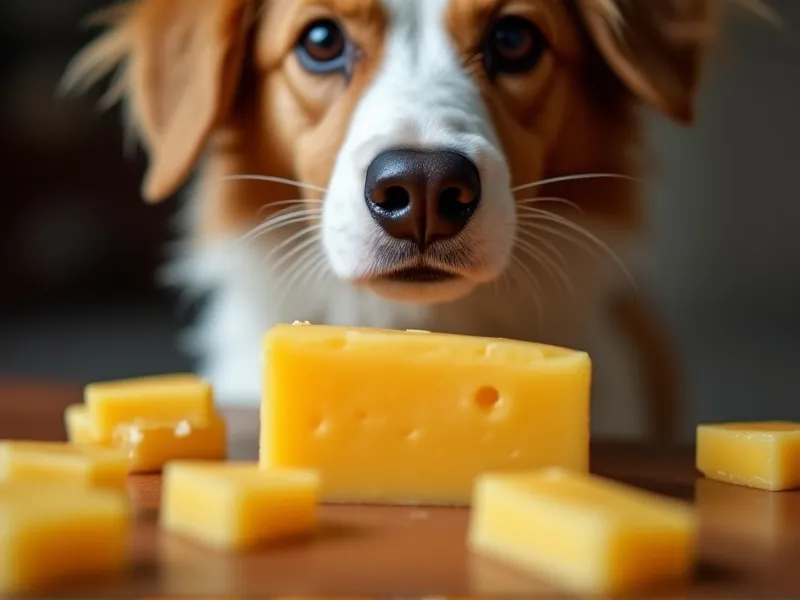
Table of Contents
- Can Dogs Eat Havarti Cheese? The Short Answer
- Nutritional Benefits of Havarti for Dogs (Yes, There Are Some!)
- Potential Risks: Why Moderation Matters
- Safe Serving Guidelines: How Much Havarti Can Dogs Have?
- Healthier Alternatives to Havarti for Dogs
- FAQ: Your Havarti Questions Answered
- Conclusion: Enjoy Snacks Safely Together
- References
Can Dogs Eat Havarti Cheese? The Short Answer
Yes, dogs can eat Havarti cheese—but only in very small, occasional amounts.
Havarti is not toxic to dogs, and a tiny nibble is unlikely to cause harm for most healthy pups. However, it’s not a “superfood” for dogs, either. Like many dairy products, it comes with caveats: lactose intolerance, high fat, and sodium content chief among them. Think of Havarti as a sometimes treat, not a regular part of their diet.
Before sharing, though, it’s important to understand both the benefits and risks. Let’s dive deeper.
Nutritional Benefits of Havarti for Dogs (Yes, There Are Some!)
Havarti cheese does offer a few nutrients that can be beneficial to dogs, in theory. Here’s what you need to know:
1. Protein: Building Blocks for Muscles
Havarti is a good source of high-quality protein, which helps support muscle growth, repair, and overall body function. Dogs need protein to thrive, and while their primary source should be a balanced dog food, a small piece of Havarti can add a tiny boost.
2. Calcium: Strong Bones and Teeth
Dairy products like Havarti are rich in calcium, a mineral essential for healthy bones, teeth, and nerve function. Puppies, in particular, need calcium for growth, and adult dogs need it to maintain bone density. Again, this is best obtained through their regular diet (most dog foods are fortified with calcium), but a small cheese treat won’t hurt.
3. Vitamins A and B12
Havarti contains vitamin A, which supports eye health and immune function, and vitamin B12, which aids in red blood cell formation and brain health. These vitamins are important for dogs, but again, they’re already present in commercial dog foods.
The catch: These benefits are minimal. A dog would need to eat far more Havarti than is safe to get meaningful amounts of these nutrients. For example, a 10-pound dog would need to eat nearly 2 ounces of Havarti to meet their daily calcium needs—and that’s way too much fat and lactose for their system!
Potential Risks: Why Moderation Matters
While Havarti isn’t toxic, it can pose risks if fed improperly or in large quantities. Let’s break down the biggest concerns:
1. Lactose Intolerance: Stomach Upset Ahead
Most dogs are lactose intolerant—especially as adults. Here’s why: Puppies produce an enzyme called lactase, which breaks down lactose (the sugar in milk). As they mature, lactase production drops, making it hard for them to digest dairy.
Havarti contains lactose, and even a small amount can cause:
- Diarrhea
- Gas
- Bloating
- Stomach cramps
Signs usually appear within 1–2 hours of eating dairy. If your dog has a sensitive stomach, even a tiny piece might lead to discomfort.
2. High Fat Content: Pancreatitis Risk
Havarti is a relatively high-fat cheese (about 8–10 grams of fat per ounce, depending on the variety). Dogs have a limited ability to process large amounts of fat, and too much can trigger pancreatitis—a painful, potentially life-threatening inflammation of the pancreas.
Pancreatitis symptoms include vomiting, diarrhea, lethargy, and loss of appetite. Breeds prone to pancreatitis (like Miniature Schnauzers, Cocker Spaniels, and Yorkshire Terriers) are especially at risk, but any dog can develop it from a high-fat snack.
3. Sodium: Too Much Can Be Harmful
Havarti is also high in sodium (about 170–200 mg per ounce). Dogs need some sodium, but too much can lead to:
- Dehydration
- Increased thirst and urination
- Electrolyte imbalances
- In severe cases, kidney damage or high blood pressure
Dogs with kidney disease, heart conditions, or hypertension should avoid high-sodium foods like Havarti entirely.
4. Choking Hazard (If Served Incorrectly)
Finally, large chunks of Havarti can pose a choking risk, especially for small dogs or dogs who gulp their food. Always cut cheese into tiny, bite-sized pieces to prevent this.
Safe Serving Guidelines: How Much Havarti Can Dogs Have?
If you decide to share Havarti with your dog, portion control is critical. Here’s a general rule of thumb based on your dog’s size:
| Dog Size | Safe Serving Size | Frequency |
|---|---|---|
| Small (5–20 lbs) | 1–2 tiny cubes (pea-sized) | Once every 1–2 weeks |
| Medium (20–50 lbs) | 2–3 small cubes (dime-sized) | Once every 1–2 weeks |
| Large (50+ lbs) | 3–4 small cubes (nickel-sized) | Once every 1–2 weeks |
Important notes:
- Treats (including Havarti) should make up no more than 10% of your dog’s daily calories. For reference, a 10-pound dog needs about 200–300 calories a day; a single ounce of Havarti has ~120 calories—way too much!
- Always introduce Havarti slowly. Start with a tiny piece and monitor for 24 hours. If your dog shows signs of stomach upset (diarrhea, gas, vomiting), stop feeding it.
- Avoid flavored Havarti (like dill or garlic-infused varieties). Garlic and onions are toxic to dogs, and added herbs or spices can irritate their stomachs. Stick to plain, unflavored Havarti.
Healthier Alternatives to Havarti for Dogs
If you’re looking for a safer, more nutritious cheese-like snack, consider these alternatives:
1. Cottage Cheese
Cottage cheese is lower in fat and lactose than Havarti, making it easier to digest. It’s also high in protein and calcium. Opt for low-fat, unsalted cottage cheese, and serve a spoonful mixed into their food or as a standalone treat.
2. Mozzarella
Mozzarella is a low-moisture, low-lactose cheese that’s often easier on dogs’ stomachs. It’s also lower in fat than Havarti. Stick to plain, unsalted mozzarella, and serve in tiny pieces.
3. Plain Greek Yogurt
Greek yogurt is rich in protein and probiotics (good bacteria that support gut health). Choose unsweetened, plain Greek yogurt (no added sugar or artificial sweeteners like xylitol, which is toxic to dogs). Most dogs tolerate yogurt better than cheese due to its live cultures, which help break down lactose.
4. Pumpkin (Not a Cheese, But a Great Treat!)
If your dog loves creamy snacks but can’t handle dairy, plain, canned pumpkin (not pumpkin pie filling) is a fantastic alternative. It’s high in fiber, low in calories, and gentle on the stomach.
FAQ: Your Havarti Questions Answered
Q: Is Havarti safer than other cheeses for dogs?
A: Not necessarily. Havarti is similar to other semi-soft cheeses (like Monterey Jack) in fat and lactose content. Hard cheeses like cheddar or Parmesan are lower in lactose but higher in fat and sodium. Soft cheeses like brie or Camembert are higher in lactose and fat. For most dogs, low-lactose options like mozzarella or cottage cheese are safer than Havarti.
Q: My dog ate a whole slice of Havarti—what should I do?
A: Don’t panic, but monitor them closely. Symptoms of overindulgence (like diarrhea, vomiting, or lethargy) may appear within 1–2 hours. If your dog is small, has a history of pancreatitis, or shows severe symptoms, contact your vet immediately. For large, healthy dogs, a single slice may cause mild stomach upset but is unlikely to be life-threatening.
Q: Can puppies eat Havarti?
A: Puppies have more lactase (the enzyme that breaks down lactose) than adult dogs, so they may tolerate small amounts better. However, their digestive systems are still developing, and high-fat foods can disrupt their gut. Stick to tiny, occasional pieces, and consult your vet first—especially if your puppy has a sensitive stomach.
Q: Is lactose-free Havarti a better option?
A: Yes! If you can find lactose-free Havarti, it eliminates the risk of lactose intolerance-related stomach upset. Just remember, it’s still high in fat and sodium, so moderation is key.
Conclusion: Enjoy Snacks Safely Together
So, can dogs eat Havarti cheese? The answer is a cautious “yes”—but only as an occasional, tiny treat. While it offers a few nutrients, the risks (lactose intolerance, high fat, sodium) far outweigh the benefits for most dogs.
When in doubt, consult your vet before introducing new foods. They can help you determine if Havarti is safe for your dog, especially if they have health conditions like pancreatitis, kidney disease, or diabetes.
At the end of the day, the best way to show your dog love is through play, cuddles, and a balanced diet. But if you do share a tiny piece of Havarti now and then? Just make sure it’s a rare, special moment—like that time they gave you those puppy eyes over your sandwich.
Your dog will thank you for being careful, and you’ll both enjoy snack time with peace of mind.
References
- American Kennel Club (AKC). “Can Dogs Eat Cheese?” AKC.org.
- ASPCA. “People Foods to Avoid Feeding Your Pets.” ASPCA.org.
- VCA Hospitals. “Pancreatitis in Dogs.” VCAHospitals.com.
- PetMD. “Can Dogs Eat Yogurt?” PetMD.com.
- Cummings School of Veterinary Medicine at Tufts University. “Nutrition for Dogs.” Tufts.edu.