· 7 min read
Can Dogs Eat Hash Browns? The Surprising Truth Every Pet Parent Should Know
It’s a lazy Sunday morning, and you’re savoring a plate of golden, crispy hash browns. Beside you, your pup sits, tail thumping, eyes locked on your food as if to say, “Can I have a bite?” It’s a scenario many pet parents face—but is sharing that hash brown a harmless treat or a risky move?
Hash browns are a breakfast staple, loved for their crispy exterior and fluffy interior. But when it comes to our four-legged friends, their dietary needs are far different from ours. While we might enjoy the occasional indulgence, dogs thrive on balanced, species-appropriate nutrition. So, can dogs eat hash browns? Let’s dive into the details to help you make the best choice for your furry companion.
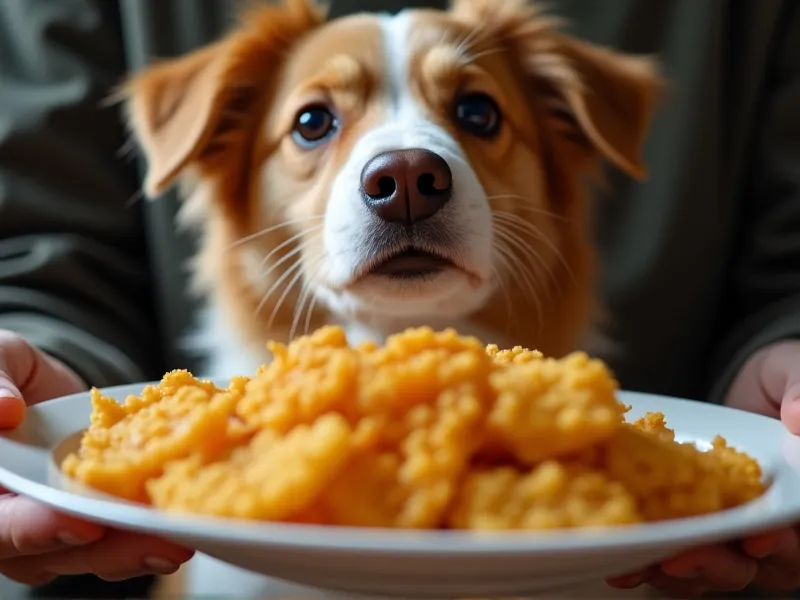
Table of Contents
- Can Dogs Eat Hash Browns? The Short Answer
- The Nutritional Breakdown: What’s in a Hash Brown?
- The Risks of Feeding Hash Browns to Dogs
- How Much Hash Brown is “Safe” for Dogs?
- Healthier Alternatives to Hash Browns
- Frequently Asked Questions (FAQ)
- Conclusion: Prioritize Your Pup’s Health
- References
Can Dogs Eat Hash Browns? The Short Answer
Yes, dogs can technically eat small amounts of plain, unseasoned hash browns on rare occasions—but they are not an ideal treat.
Hash browns are made from potatoes, which are non-toxic to dogs (in moderation). However, most hash browns are fried in oil, loaded with salt, or seasoned with ingredients like onions, garlic, or cheese—all of which can be harmful to dogs. The key here is plain and occasional. If your hash brown is crispy, greasy, or flavored, it’s best to keep it to yourself.
The Nutritional Breakdown: What’s in a Hash Brown?
To understand if hash browns have any redeeming qualities for dogs, let’s start with their main ingredient: the humble potato.
The Potential Benefits of Potatoes for Dogs
Potatoes themselves are a starchy vegetable that, when cooked (never raw!), can offer some nutrients:
- Fiber: Supports healthy digestion and can help regulate blood sugar.
- Potassium: An essential mineral for heart health, muscle function, and fluid balance.
- Vitamin C: An antioxidant that boosts the immune system and supports collagen production.
- Vitamin B6: Aids in brain development and the production of red blood cells.
However, these benefits are only present in plain, cooked potatoes. Hash browns, by contrast, are rarely plain. Most are fried, salted, or seasoned—turning a neutral vegetable into a high-fat, high-sodium indulgence.
The Risks of Feeding Hash Browns to Dogs
While plain potatoes are safe, the way hash browns are prepared introduces several risks that pet parents should be aware of:
1. High Fat Content: A Risk for Pancreatitis
Most hash browns are fried in oil or butter, making them high in fat. Dogs have sensitive digestive systems, and a sudden influx of fat can trigger pancreatitis—a painful and potentially life-threatening condition where the pancreas becomes inflamed. Symptoms include vomiting, diarrhea, lethargy, and loss of appetite. Dogs with a history of pancreatitis or obesity are especially at risk (AKC, 2023).
2. Excess Sodium: A Threat to Kidney Health
Salt is a common ingredient in hash browns, whether added during cooking or as part of pre-packaged mixes. While dogs need small amounts of sodium, too much can lead to sodium ion poisoning. Symptoms include excessive thirst, urination, vomiting, diarrhea, tremors, or even seizures. The ASPCA notes that just 1.5 grams of salt per pound of body weight can be toxic to dogs (ASPCA, 2023). A single serving of hash browns can contain 300–500 mg of sodium—far too much for a small or medium dog.
3. Toxic Additives: Onions, Garlic, and More
Many hash brown recipes (or restaurant versions) include seasonings like onion powder, garlic, cheese, or bacon bits. Onions and garlic are toxic to dogs because they contain thiosulfate, which damages red blood cells and can lead to anemia (PetMD, 2023). Even small amounts can cause harm, and symptoms may take days to appear. Other additives, like cheese (high in fat and lactose, which many dogs can’t digest), only increase the risk of stomach upset.
4. Choking Hazard: Crispy, Hard Pieces
Crispy hash browns can be dry and hard, especially if they’re overcooked. Large or sharp pieces pose a choking risk, or they could scratch the throat or intestines. This is particularly dangerous for small breeds or dogs who gulp their food without chewing.
5. Stomach Upset: Gas, Diarrhea, or Vomiting
Rich, fatty foods like hash browns can disrupt your dog’s gut bacteria, leading to gastrointestinal upset. Symptoms may include gas, bloating, diarrhea, or vomiting—unpleasant for both you and your pup!
How Much Hash Brown is “Safe” for Dogs?
If you’re tempted to share a tiny bite of plain, unseasoned, non-fried hash brown (e.g., a baked potato patty with no salt or oil), here’s a general guideline:
- Small dogs (under 20 lbs): A piece no larger than a dime.
- Medium dogs (20–50 lbs): A piece no larger than a quarter.
- Large dogs (50+ lbs): A piece no larger than a half-dollar.
But this is a “once in a blue moon” treat—not a regular snack. Even plain hash browns are high in carbs, which can contribute to weight gain if fed frequently. If your dog has health issues (e.g., diabetes, obesity, pancreatitis), skip the hash brown entirely and opt for a vet-approved treat instead.
Healthier Alternatives to Hash Browns
Instead of sharing your hash brown, try these dog-friendly alternatives that are just as tasty (in your pup’s opinion!) and far better for their health:
1. Plain Boiled Potato
A small, peeled, boiled potato (no salt, butter, or seasonings) is a safe, low-fat treat. It offers the same fiber and potassium as a hash brown without the added oil or salt.
2. Baked Sweet Potato
Sweet potatoes are a nutritional powerhouse for dogs! They’re rich in fiber, beta-carotene (which converts to vitamin A), and antioxidants. Bake a sweet potato, mash a small portion, and serve it plain as a treat.
3. Air-Fried Potato Cubes
If your dog loves crispy textures, try air-frying small potato cubes with a tiny spray of olive oil (no salt). Air-frying reduces fat compared to deep-frying, making it a lighter option.
4. Mashed Cauliflower
For a low-carb alternative, steam and mash cauliflower. It’s high in fiber, vitamin C, and folate, and most dogs love its mild flavor.
5. Carrot Sticks
Crunchy, low-calorie, and packed with vitamin A, carrot sticks are a classic dog treat. They’re great for dental health, too!
Frequently Asked Questions (FAQ)
Q: Can dogs eat frozen hash browns?
A: Frozen hash browns often contain additives like salt, preservatives, or onion powder. Even if you bake them instead of frying, the added ingredients make them unsafe. Stick to homemade, plain potato patties if you want to share.
Q: What if my dog ate a whole hash brown?
A: If your dog stole a hash brown that was greasy, salty, or seasoned, monitor them closely for 24 hours. Look for symptoms like vomiting, diarrhea, lethargy, or excessive thirst. If any of these occur, contact your vet immediately—especially if your dog is small or has health issues.
Q: Are sweet potato hash browns better for dogs than regular ones?
A: Sweet potatoes are more nutritious than white potatoes, but “sweet potato hash browns” are often still fried, salted, or sweetened. Opt for plain baked sweet potato instead.
Q: Can puppies eat hash browns?
A: Puppies have even more sensitive digestive systems than adult dogs. It’s best to avoid feeding them hash browns, as the fat and salt can disrupt their developing gut and lead to long-term health issues.
Conclusion: Prioritize Your Pup’s Health
While a tiny bite of plain hash brown is unlikely to harm your dog, it’s far from the healthiest choice. The risks—pancreatitis, sodium poisoning, toxic additives—outweigh the minimal nutritional benefits. Instead, reach for dog-safe treats like boiled potatoes, sweet potatoes, or carrots, and save the hash browns for yourself.
Every dog is different, so if you’re unsure whether a food is safe, always consult your veterinarian. This is especially important if your dog has underlying health conditions or is on a special diet.
At the end of the day, the best treat you can give your pup is love, playtime, and a balanced diet tailored to their needs. And who knows? They might just prefer a belly rub over a hash brown, anyway.
References
- American Kennel Club (AKC). (2023). “Can Dogs Eat Potatoes?” akc.org/expert-advice/nutrition/can-dogs-eat-potatoes
- ASPCA. (2023). “Toxic and Non-Toxic Plants: Onion.” aspca.org/pet-care/animal-poison-control/toxic-and-non-toxic-plants/onion
- PetMD. (2023). “Pancreatitis in Dogs: Symptoms, Causes, and Treatment.” petmd.com/dog/conditions/digestive/c_dg_pancreatitis
- PetMD. (2023). “Can Dogs Eat Garlic?” petmd.com/dog/nutrition/can-dogs-eat-garlic