· 9 min read
Can Dogs Eat Hash Brown Potatoes? A Pet Parent’s Guide to Safe Treats
It’s a sunny Saturday morning, and you’re savoring a plate of golden, crispy hash browns—extra crispy, just how you like them. Beside you, your dog sits patiently, tail thumping against the floor, those soulful eyes locked on your plate. “Just a tiny bite won’t hurt, right?” you wonder. After all, potatoes are a staple in our diets—so why wouldn’t they be safe for our pups?
If you’ve ever asked yourself, “Can dogs eat hash brown potatoes?” you’re not alone. As pet parents, we want to share the joys of mealtime with our furry friends, but not all human foods are created equal. Hash browns, in particular, come with a mix of potential benefits and hidden risks, depending on how they’re prepared.
In this guide, we’ll break down everything you need to know: Are hash browns safe for dogs? What nutrients (if any) do they offer? What risks should you watch for? And most importantly, how can you treat your pup to a potato-based snack without compromising their health? Let’s dig in!
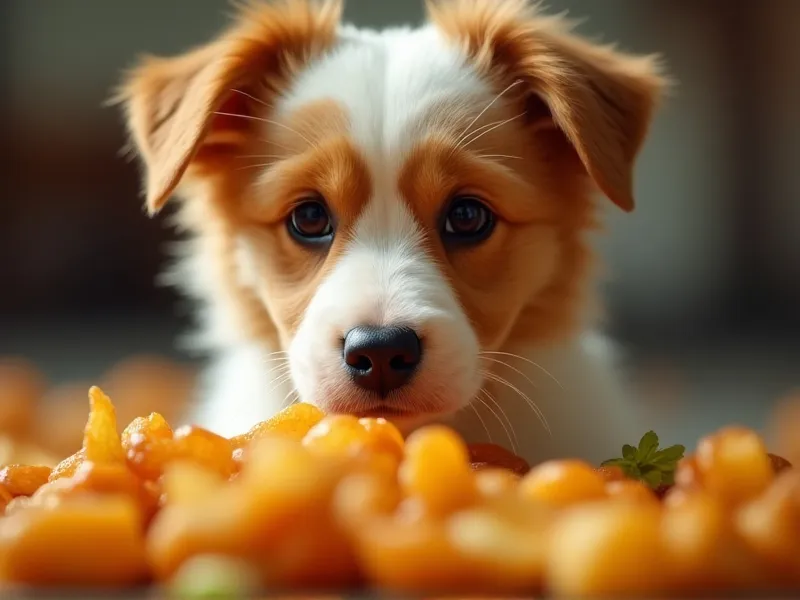
Table of Contents
- Can Dogs Eat Hash Brown Potatoes? The Short Answer
- The Basics: Potatoes vs. Hash Browns
- Potential Benefits of Potatoes for Dogs
- Risks of Feeding Hash Browns to Dogs
- Safe Guidelines: How Much Hash Brown Can Dogs Eat?
- Healthier Alternatives to Hash Browns
- FAQ: Your Hash Brown Questions Answered
- Conclusion: Moderation is Key
Can Dogs Eat Hash Brown Potatoes? The Short Answer
Yes, but only in very specific circumstances. Plain, cooked potatoes are generally safe for dogs in moderation—they’re a source of fiber, vitamins, and minerals. However, hash browns are rarely “plain.” Most are fried in oil, salted, or seasoned, which can turn a harmless potato into a risky snack.
The bottom line: A tiny, occasional bite of plain, unseasoned, lightly cooked hash brown is unlikely to harm your dog. But heavily fried, salty, or seasoned hash browns (like those from fast-food chains or restaurants) can pose serious health risks. Let’s unpack why.
The Basics: Potatoes vs. Hash Browns
Before we dive into risks and benefits, let’s clarify: Potatoes and hash browns are not the same.
- Potatoes: The raw tuber contains solanine, a toxic compound. But when cooked, solanine breaks down, making potatoes safe for dogs (and humans!). Cooked potatoes are a starchy, nutrient-dense food.
- Hash browns: A dish made from shredded or diced potatoes, typically fried in oil, butter, or lard. They’re often seasoned with salt, pepper, garlic, onion, or other spices. Some recipes even add cheese, bacon, or sugar.
The problem isn’t the potato itself—it’s the preparation. Hash browns are usually high in fat, sodium, and additives, which can be harmful to dogs.
Potential Benefits of Potatoes for Dogs
Since hash browns are made from potatoes, let’s first highlight the nutrients potatoes can offer when prepared safely (i.e., plain, cooked, and unseasoned):
1. Fiber for Digestive Health
Cooked potatoes (with skin, if possible) are a good source of dietary fiber. Fiber helps regulate your dog’s bowel movements, supports gut health, and can even aid in weight management by promoting feelings of fullness.
2. Vitamins B6 and C
- Vitamin B6: Supports brain function, red blood cell production, and hormone regulation.
- Vitamin C: An antioxidant that boosts the immune system and helps fight inflammation. While dogs produce their own vitamin C, extra can be beneficial for aging dogs or those under stress.
3. Potassium
Potassium is essential for muscle and nerve function, heart health, and fluid balance. A small serving of cooked potato can help meet your dog’s potassium needs.
But remember: These benefits apply to plain, cooked potatoes—not fried, salty hash browns. Most hash browns are so processed that any nutritional value is overshadowed by unhealthy additives.
Risks of Feeding Hash Browns to Dogs
Now, let’s talk about why hash browns are often more risky than rewarding for dogs. Here are the biggest concerns:
1. High Fat Content
Most hash browns are fried in oil, butter, or lard, making them high in fat. Dogs have sensitive digestive systems, and a sudden influx of fat can cause:
- Gastroenteritis: Vomiting, diarrhea, or stomach pain.
- Pancreatitis: A life-threatening condition where the pancreas becomes inflamed. Symptoms include severe abdominal pain, lethargy, and loss of appetite. Pancreatitis is more common in overweight dogs or those with a history of the disease.
The ASPCA warns that high-fat foods like fried potatoes are a top trigger for pancreatitis in dogs.
2. Excess Sodium
Salt is a staple in hash brown recipes—even “lightly salted” versions can pack a punch. Dogs need only small amounts of sodium (about 100mg per 1000 calories, according to the National Research Council). A single serving of hash browns can contain 300–500mg of sodium (or more for restaurant varieties), which can lead to:
- Dehydration: Excess salt makes dogs thirsty and can cause electrolyte imbalances.
- Kidney Strain: Over time, high sodium intake may damage the kidneys.
- Hypertension: High blood pressure, which increases the risk of heart disease.
3. Choking Hazards
Hash browns are often crispy and dry, especially if overcooked. Large or irregularly shaped pieces can get stuck in your dog’s throat, causing choking. Small dogs are at higher risk, but even large breeds can struggle with hard, crunchy bits.
4. Toxic Additives
Many hash brown recipes (or store-bought versions) include ingredients that are toxic to dogs:
- Garlic/Onion: These belong to the allium family, which destroys red blood cells in dogs, leading to anemia. Even small amounts (like powder in seasoning) can be harmful.
- Xylitol: A sugar substitute sometimes added to “low-sugar” hash browns. Xylitol causes a dangerous insulin surge in dogs, leading to hypoglycemia (low blood sugar), seizures, or liver failure.
- Cheese/Bacon: High in fat and salt, and bacon can also contain nitrates, which are linked to cancer in dogs.
5. Blood Sugar Spikes
Potatoes are starchy, meaning they’re high in carbohydrates. When digested, carbs break down into sugar. For dogs with diabetes, or those predisposed to it (like Cocker Spaniels or Pugs), hash browns can cause dangerous blood sugar spikes.
Safe Guidelines: How Much Hash Brown Can Dogs Eat?
If you still want to share a tiny bite of hash brown with your dog, follow these rules to minimize risk:
1. Choose Plain, Unseasoned, and Not Fried
Opt for hash browns made with only potatoes and water—no oil, salt, butter, or seasonings. Look for “air-fried” or “baked” versions (without added fat) instead of fried.
2. Keep Portions Tiny
A dog’s treat should make up no more than 10% of their daily calories. For hash browns, that means:
- Small dogs (under 20 lbs): 1–2 tiny bites (about 1 teaspoon).
- Medium dogs (20–50 lbs): 1–2 teaspoons.
- Large dogs (50+ lbs): Up to 1 tablespoon.
3. Occasional, Not Regular
Hash browns should be a rare treat—once a week at most. Regular feeding can lead to weight gain, pancreatitis, or sodium overload.
4. Avoid If Your Dog Has Health Issues
Dogs with diabetes, pancreatitis, kidney disease, or obesity should skip hash browns entirely. Puppies and senior dogs also have sensitive systems and may react poorly.
5. Monitor for Reactions
After feeding hash browns, watch for signs of trouble: vomiting, diarrhea, lethargy, excessive thirst, or abdominal pain. If you notice any, contact your vet immediately.
Healthier Alternatives to Hash Browns
Instead of risky hash browns, try these dog-friendly potato-based treats. They’re just as tasty (to your pup!) and far safer:
1. Baked Potato (Plain)
A small wedge of baked potato (no butter, salt, or sour cream) is a low-fat, fiber-rich snack. Leave the skin on for extra nutrients!
2. Mashed Potato (No Additives)
Mash cooked potato with a splash of water (no milk, butter, or salt). It’s easy to digest and gentle on sensitive tummies.
3. Sweet Potato (Cooked)
Sweet potatoes are packed with beta-carotene (vitamin A), fiber, and antioxidants. Bake or steam them, then mash or dice into bite-sized pieces. They’re a favorite among dogs!
4. Roasted Potato Cubes
Toss diced potatoes in a tiny bit of olive oil (optional), spread on a baking sheet, and roast at 400°F for 20–25 minutes. Let cool, then serve plain.
5. Dehydrated Potato Chips (Homemade)
Thinly slice potatoes, bake at 200°F until crispy (about 2 hours), and let cool. No oil or salt needed—dogs love the crunch!
FAQ: Your Hash Brown Questions Answered
Q: Can dogs eat hash browns from McDonald’s, Burger King, or other fast-food chains?
A: No. Fast-food hash browns are fried in oil, loaded with salt, and may contain additives like dextrose (sugar) or preservatives. For example, a McDonald’s hash brown has 140mg of sodium—way too much for a small dog.
Q: Are sweet potato hash browns safer than regular hash browns?
A: If plain and unseasoned, yes—but still in moderation. Sweet potatoes are more nutrient-dense than white potatoes, but fried sweet potato hash browns are still high in fat. Opt for baked sweet potato cubes instead.
Q: What if my dog stole a whole plate of hash browns?
A: Contact your vet immediately. Signs of trouble (pancreatitis, sodium toxicity) may take 12–24 hours to appear. Watch for vomiting, diarrhea, lethargy, or loss of appetite, and bring a sample of the hash browns (if possible) to show your vet.
Q: Can dogs eat raw hash browns?
A: No. Raw potatoes contain solanine, which is toxic. Always cook potatoes before feeding them to your dog.
Q: Are hash browns with cheese or bacon safe?
A: Absolutely not. Cheese and bacon are high in fat and salt, and bacon may contain nitrates. Onions or garlic in the mix make it even worse (toxic!).
Conclusion: Moderation is Key
So, can dogs eat hash brown potatoes? In tiny, occasional, plain, and unseasoned bites—maybe. But the risks (fat, sodium, additives) often outweigh the benefits.
As a pet parent, your dog’s health is your top priority. Instead of sharing hash browns, opt for safer alternatives like baked potato, mashed potato, or sweet potato. These treats are just as yummy and far less likely to cause harm.
When in doubt, always consult your vet before introducing new foods. They know your dog’s unique needs and can help you make the best choices.
Happy snacking—for both you and your pup!
References
- American Kennel Club (AKC). “Can Dogs Eat Potatoes?” AKC.org.
- ASPCA Animal Poison Control. “People Foods to Avoid Feeding Your Pets.” ASPCA.org.
- PetMD. “Potatoes for Dogs: Are They Safe?” PetMD.com.
- National Research Council. “Nutrient Requirements of Dogs and Cats.” National Academies Press, 2006.
- American Veterinary Medical Association (AVMA). “Pancreatitis in Dogs.” AVMA.org.