· 8 min read
Can Dogs Eat Haricot Beans? A Pet Parent’s Guide to Safety, Benefits, and Risks
Picture this: You’re stirring a pot of hearty bean soup for dinner, and your furry sidekick plops down at your feet, tail thumping, eyes locked on the spoon. “Just a little taste?” you wonder. Haricot beans—those small, creamy white beans often used in soups, salads, and stews—are a pantry staple for many of us. But as a responsible pet parent, you pause: Is this human food safe for my dog?
Dogs are curious creatures, and sharing table scraps is a common way we show love. But not all human foods are dog-friendly. In this guide, we’ll dive into whether haricot beans (also called navy beans) make the cut. We’ll cover their potential benefits, hidden risks, how to feed them safely, and even healthier alternatives. Let’s get started!
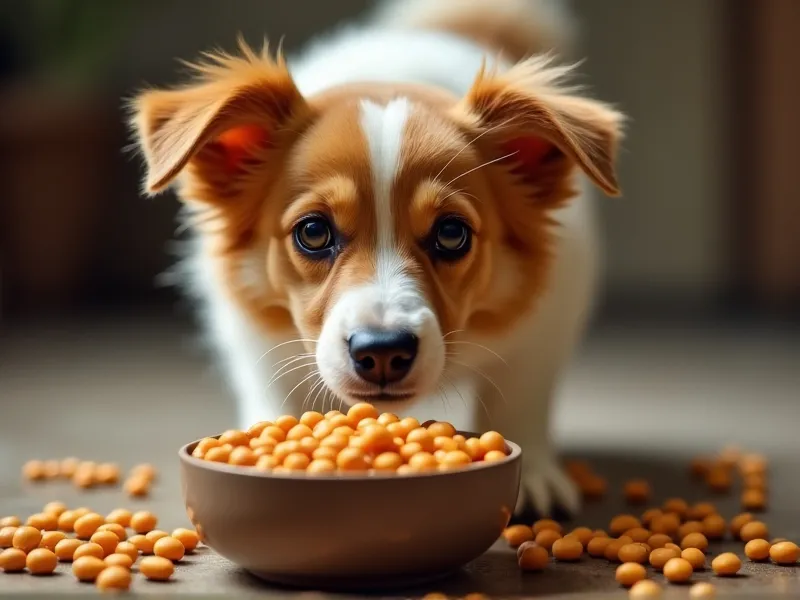
Table of Contents
- Can Dogs Eat Haricot Beans? The Short Answer
- The Potential Benefits of Haricot Beans for Dogs
- Nutrient Breakdown: What Do Haricot Beans Offer?
- Fiber: A Friend to Digestion
- Potassium: Supporting Heart and Muscle Health
- The Risks of Feeding Haricot Beans to Dogs
- Sugar and Sodium: Hidden Dangers in Processed Beans
- Stomach Upset: Gas, Diarrhea, and Digestive Distress
- Choking Hazards and Raw Beans: A Toxic Combination
- How Much Haricot Beans Can Dogs Safely Eat? Guidelines for Pet Parents
- Healthier Alternatives to Haricot Beans for Dogs
- FAQ: Your Haricot Bean Questions Answered
- Conclusion: Moderation and Vet Guidance Are Key
1. Can Dogs Eat Haricot Beans? The Short Answer
Yes, dogs can eat haricot beans—but with important caveats. These small, mild-flavored beans are not toxic to dogs, but they must be cooked, plain, and served in moderation. Raw or undercooked haricot beans contain lectins, a type of protein that can cause gastrointestinal upset (or worse) in dogs. Additionally, too many haricot beans, or beans prepared with salt, sugar, or spices, can lead to stomach issues like gas, diarrhea, or even choking.
Think of haricot beans as an occasional treat, not a regular part of your dog’s diet. When prepared safely, they can offer some nutritional perks, but they should never replace a balanced, vet-approved dog food.
2. The Potential Benefits of Haricot Beans for Dogs
Haricot beans are packed with nutrients that, in small amounts, can complement your dog’s diet. Let’s break down their key benefits:
Nutrient Breakdown: What Do Haricot Beans Offer?
A ½-cup serving of cooked, plain haricot beans contains:
- Protein: ~7 grams (supports muscle maintenance)
- Fiber: ~6 grams (aids digestion and gut health)
- Iron: Supports red blood cell function
- Potassium: Regulates heart rate and muscle function
- B Vitamins: Boost energy and brain health
These nutrients are all essential for dogs, but remember: Your dog’s primary food should already provide these in balanced amounts. Haricot beans are a “bonus,” not a replacement.
Fiber: A Friend to Digestion
Fiber is a star nutrient in haricot beans, and it’s great for dogs with occasional constipation. The soluble fiber in beans absorbs water, softening stools, while insoluble fiber adds bulk to support regular bowel movements. For dogs prone to diarrhea, small amounts of fiber can also help firm up stools (though too much can have the opposite effect!).
Pro tip: If your dog struggles with digestion, ask your vet if adding a tiny amount of cooked haricot beans (or other fiber-rich foods) could help. Never use beans to treat chronic digestive issues without professional guidance.
Potassium: Supporting Heart and Muscle Health
Potassium is vital for dogs’ heart function, muscle contraction, and nerve signaling. A diet low in potassium can lead to weakness, fatigue, or even heart arrhythmias. Haricot beans are a natural source of this mineral, making them a heart-healthy treat in small doses—especially for senior dogs or those with mild heart concerns (always check with your vet first!).
3. The Risks of Feeding Haricot Beans to Dogs
While haricot beans have benefits, they come with risks that pet parents must avoid. Let’s unpack the biggest dangers:
Sugar and Sodium: Hidden Dangers in Processed Beans
Canned haricot beans are a common convenience, but many brands add salt, sugar, or artificial flavors to enhance taste. For dogs, excess sodium can cause dehydration, high blood pressure, or kidney strain. Added sugar, meanwhile, contributes empty calories and can lead to obesity or diabetes over time.
Always choose plain, no-salt-added canned haricot beans, and rinse them thoroughly to remove excess sodium. Better yet, cook dried haricot beans from scratch (soaked overnight, then boiled until soft) to avoid additives entirely.
Stomach Upset: Gas, Diarrhea, and Digestive Distress
Dogs’ digestive systems aren’t designed to handle large amounts of fiber—especially if they’re not used to it. Haricot beans are high in fiber, and overfeeding can lead to:
- Bloating or gas (uncomfortable for your dog and smelly for you!)
- Diarrhea or loose stools
- Nausea or vomiting
Puppies, senior dogs, or dogs with sensitive stomachs are especially prone to these issues. Start with a tiny portion (e.g., 1–2 teaspoons for small dogs) and monitor for 24 hours before offering more.
Choking Hazards and Raw Beans: A Toxic Combination
Whole haricot beans are small and round, making them a choking risk for dogs who gulp their food. This is especially true for small breeds or dogs who eat quickly. To reduce risk, mash or chop beans before serving, or mix them into your dog’s regular food to slow them down.
Raw haricot beans are dangerous: They contain lectins, which can cause vomiting, diarrhea, or even organ damage in dogs. Always cook beans until soft (boil for 10–15 minutes after soaking) to destroy lectins.
4. How Much Haricot Beans Can Dogs Safely Eat? Guidelines for Pet Parents
The golden rule: Less is more. Here’s how to safely serve haricot beans to your dog:
Portion Sizes by Dog Size
- Small dogs (under 20 lbs): 1–2 tablespoons of cooked, plain haricot beans per week
- Medium dogs (20–50 lbs): 2–3 tablespoons per week
- Large dogs (50+ lbs): ¼ cup per week
These are rough guidelines—adjust based on your dog’s activity level, weight, and health. For example, a couch-potato pug may need smaller portions than a high-energy lab.
Preparation Tips for Safety
- Cook thoroughly: Boil dried haricot beans (soaked first) until soft, or use no-salt-added canned beans (rinsed to remove excess sodium).
- Skip the extras: No salt, sugar, garlic, onion, or spices—these are toxic or harmful to dogs.
- Mash or chop: Reduce choking risk by mashing beans or chopping them into small pieces.
- Mix with regular food: Serve beans mixed into your dog’s kibble or wet food to avoid overeating.
When to Avoid Haricot Beans Altogether
Skip haricot beans if your dog has:
- Kidney disease (beans are high in phosphorus, which can strain kidneys)
- Diabetes (beans have natural sugars that may spike blood sugar)
- A history of pancreatitis (high-fat or high-fiber foods can trigger flare-ups)
Always ask your vet before introducing new treats if your dog has health issues.
5. Healthier Alternatives to Haricot Beans for Dogs
If you’re looking for safer, more vet-recommended treats, these alternatives are often better than haricot beans:
Green Beans
Green beans are a top pick! They’re low in calories, high in fiber, and crunchy—great for dental health. Serve them raw (chopped) or steamed, plain. They’re safe for dogs of all sizes and even help with weight management.
Sweet Potatoes
Cooked, plain sweet potatoes are packed with fiber, vitamins A and C, and antioxidants. They’re gentle on tummies and a favorite among picky eaters. Avoid adding butter, cinnamon, or sugar.
Pumpkin (Plain, Unsweetened)
Canned pumpkin (not pumpkin pie filling!) is a go-to for dogs with digestive issues. It’s high in fiber and beta-carotene, and it can soothe both diarrhea and constipation. Serve 1–2 teaspoons (small dogs) to ¼ cup (large dogs) mixed into food.
Carrots
Crunchy, low-calorie carrots are perfect for teething puppies or dogs who love to chew. They’re rich in vitamin A and promote dental health by scraping plaque. Serve raw (chopped) or steamed.
6. FAQ: Your Haricot Bean Questions Answered
Q: Can dogs eat canned haricot beans?
A: Only if they’re no-salt-added, no-sugar-added, and rinsed thoroughly. Canned beans often have added sodium, which is bad for dogs. Rinsing removes up to 40% of excess salt. Avoid canned beans with sauces, spices, or preservatives.
Q: My dog ate raw haricot beans—should I panic?
A: Raw haricot beans contain lectins, which can cause vomiting, diarrhea, or lethargy. If your dog ate a small handful, monitor them for 24 hours. If they show symptoms (e.g., vomiting, loss of appetite), contact your vet. For large amounts, call your vet immediately.
Q: Are haricot beans better than other beans for dogs?
A: Not necessarily. Black beans, kidney beans, and pinto beans are similar in nutrition, but they all carry the same risks (gas, choking, lectins in raw form). Green beans are safer and lower in calories/fiber, making them a better choice for most dogs.
Q: Can haricot beans help my dog lose weight?
A: Maybe, but only in tiny amounts. Their fiber can help your dog feel full, but they’re not a weight-loss “miracle food.” For weight management, focus on low-calorie treats like green beans or carrots, and consult your vet for a tailored diet plan.
7. Conclusion: Moderation and Vet Guidance Are Key
Haricot beans can be a safe, occasional treat for dogs—if they’re cooked, plain, and served in small portions. They offer fiber, potassium, and other nutrients, but they’re not essential to your dog’s diet. Always prioritize your dog’s regular, balanced food, and treat beans as a “sometimes” snack.
If you’re unsure whether haricot beans are right for your dog—especially if they have health issues—reach out to your vet. And when in doubt, stick to safer alternatives like green beans or pumpkin. Your dog’s tail (and tummy) will thank you!
References
- American Kennel Club (AKC). “Can Dogs Eat Beans?” akc.org
- ASPCA. “People Foods to Avoid Feeding Your Pets.” aspca.org
- PetMD. “Safe Human Foods for Dogs.” petmd.com
- Veterinary Nutritionist Dr. Jennifer Coates. “Beans for Dogs: Benefits and Risks.” veterinarypartner.vin.com