· 8 min read
Can Dogs Eat Hamburgers? A Pet Parent’s Guide to Sharing BBQ Treats
Picture this: It’s a warm summer afternoon, and you’re grilling up juicy hamburgers for the family. The smell of charred beef, melted cheese, and fresh buns wafts through the air. Suddenly, your dog trots over, tail thumping, nose twitching, and gives you that “I’ll be your best friend forever” stare. You pause, patty in hand, and wonder: Is it safe to share a bite?
Hamburgers are a staple of backyard cookouts, but when it comes to our furry friends, not all human foods are created equal. In this guide, we’ll break down whether dogs can eat hamburgers, the potential benefits and risks, how much is safe, and healthier alternatives to keep your pup happy and healthy.
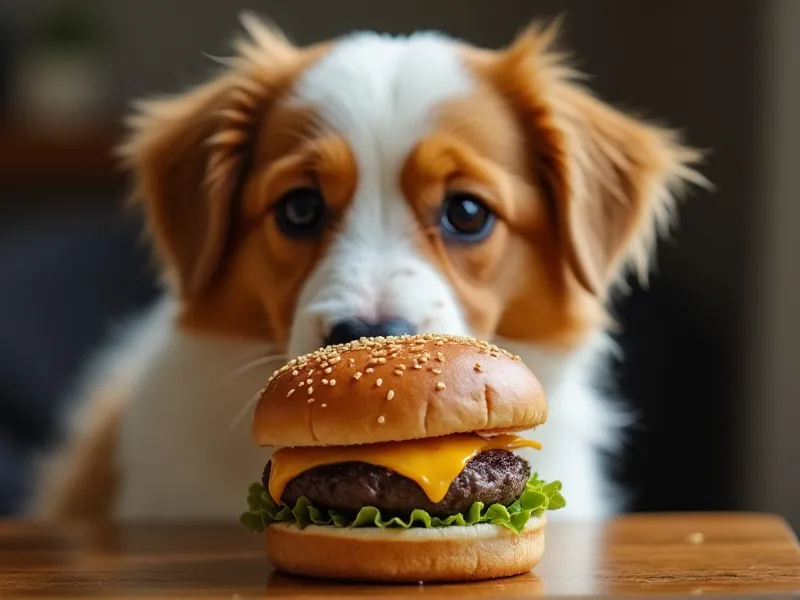
Table of Contents
- Can Dogs Eat Hamburgers? The Short Answer
- Potential Benefits of Hamburgers for Dogs (Yes, There Are Some!)
- The Risks: Why Hamburgers Can Be Harmful to Dogs
- How Much Hamburger Is Safe for Dogs?
- Healthier Alternatives to Hamburgers
- FAQ: Your Top Hamburger Questions Answered
- Conclusion: Enjoy BBQs Responsibly with Your Pup
- References
Can Dogs Eat Hamburgers? The Short Answer
Yes, dogs can eat plain, cooked hamburger meat in small, occasional amounts—but the typical burger you eat (with buns, toppings, and seasonings) is not ideal.
Hamburgers are made from ground beef, which is a good source of protein for dogs. However, most burgers are loaded with added ingredients like salt, garlic, onions, cheese, ketchup, or fatty toppings—all of which can be harmful. Even the bun, with its sugar and empty carbs, isn’t great for your pup.
The key here is moderation and simplicity. A plain, well-cooked, lean hamburger patty (no seasoning, no toppings) can be a tasty treat now and then. But a fully loaded burger from a fast-food joint or your grill? That’s a no-go.
Potential Benefits of Hamburgers for Dogs (Yes, There Are Some!)
Before we dive into the risks, let’s talk about why a plain hamburger patty can be a (very occasional) win for your dog.
1. High-Quality Protein
Beef is a complete protein, meaning it contains all the essential amino acids dogs need to build muscle, repair tissue, and support a healthy coat and skin. Protein is especially important for active dogs, growing puppies, and senior dogs who may lose muscle mass.
2. Essential Nutrients
Lean ground beef is packed with nutrients like:
- Iron: Helps transport oxygen in the blood (critical for energy levels).
- Zinc: Supports immune function and healthy skin.
- B Vitamins (B12, niacin): Aid in cell function and energy metabolism.
- Selenium: An antioxidant that protects cells from damage.
3. A Tasty Training Tool
Let’s be real: Most dogs go crazy for meat. A small piece of plain hamburger can be a high-value reward for training or as a special treat on occasion. Just remember—this should never replace their regular, balanced dog food.
The Risks: Why Hamburgers Can Be Harmful to Dogs
While plain, lean beef has benefits, the typical hamburger (and its toppings) poses several risks to your dog’s health. Here’s what to watch out for:
1. High Fat Content: A Recipe for Pancreatitis
Many hamburgers (especially fast-food or homemade with fatty beef) are high in saturated fat. Dogs can’t digest large amounts of fat well, and it can trigger pancreatitis—a painful, potentially life-threatening condition where the pancreas becomes inflamed. Symptoms include vomiting, diarrhea, lethargy, and loss of appetite.
Pancreatitis is more common in dogs with a history of the condition, but even healthy dogs can develop it after eating a fatty meal. According to the American Kennel Club (AKC), fatty foods like burgers are a top cause of pancreatitis in dogs.
2. Salt Overload
Hamburger patties (and their toppings) are often loaded with salt. Dogs need only a tiny amount of sodium in their diet—too much can lead to sodium ion poisoning, which causes symptoms like excessive thirst, urination, vomiting, diarrhea, seizures, or even kidney damage.
For example, a single fast-food hamburger can contain 500–1,000 mg of sodium. A 30-pound dog’s daily sodium requirement is only about 100–200 mg. That’s way over the limit!
3. Toxic Toppings: Onions, Garlic, and More
Onions and garlic (even in small amounts) are toxic to dogs. They contain compounds that damage red blood cells, leading to anemia (low red blood cell count). Symptoms may not show up for days and include weakness, lethargy, pale gums, and dark urine.
Other common burger toppings to avoid:
- Ketchup/mustard: High in sugar, salt, and sometimes onion powder.
- Cheese: High in fat and lactose (many dogs are lactose intolerant, leading to gas or diarrhea).
- Avocado: Contains persin, which is toxic to dogs.
- Bacon: Extremely high in fat and salt.
4. The Bun: Empty Calories and Sugar
Hamburger buns are made from refined flour, sugar, and sometimes added preservatives. They offer no nutritional value for dogs and can contribute to weight gain or blood sugar spikes. Some buns even contain xylitol, an artificial sweetener that is highly toxic to dogs (it causes a rapid drop in blood sugar and liver failure).
5. Choking Hazards
Toppings like pickles, raw onions, or large chunks of meat can pose choking risks, especially for small dogs. Bones (if present in the patty) are also dangerous—they can splinter and tear the digestive tract.
How Much Hamburger Is Safe for Dogs?
If you want to share a bite of plain, cooked hamburger with your dog, follow these guidelines:
Stick to Lean, Unseasoned Beef
Choose 90% lean or higher ground beef (the less fat, the better). Cook it thoroughly (no pink!) and avoid adding salt, pepper, garlic, or other seasonings.
Portion Control: Size Matters
A general rule: Treats (including hamburger) should make up no more than 10% of your dog’s daily calories. Here’s a rough guide based on weight:
- Small dogs (10–20 lbs): 1–2 small bites (about 0.5–1 oz of cooked beef).
- Medium dogs (30–50 lbs): 1–2 oz of cooked beef.
- Large dogs (60+ lbs): 2–3 oz of cooked beef.
For context, a 50-pound dog needs about 700–900 calories per day. A 2-oz serving of cooked lean beef is around 150 calories—so that’s 15–20% of their daily intake. Stick to the lower end to be safe!
Frequency: Occasional, Not Regular
Hamburger should be a once-in-a-while treat—think: once a month, not once a week. Regularly feeding human food can lead to picky eating, nutritional imbalances, or weight gain.
Watch for Allergies or Sensitivities
Some dogs are allergic to beef. Signs of an allergic reaction include itching, red skin, ear infections, or gastrointestinal upset. If you notice these, stop feeding hamburger and consult your vet.
Healthier Alternatives to Hamburgers
If you want to treat your dog to a “burger-like” snack without the risks, try these safer options:
1. Plain Cooked Lean Beef
Skip the bun and toppings—just give your dog a small piece of cooked, unseasoned lean beef. It’s the same protein boost without the added junk.
2. Turkey or Chicken Burgers
Turkey or chicken is leaner than beef and lower in fat. Make your own dog-friendly patty by mixing ground turkey/chicken with a little oats (for fiber) and cooked veggies like carrots or green beans. Grill or bake it plain—no seasoning!
3. Freeze-Dried Beef Treats
Freeze-dried beef liver or muscle meat is a low-fat, high-protein treat that dogs love. Look for brands with no added salt or preservatives (e.g., Stella & Chewy’s or Open Farm).
4. Dog-Friendly “Burger” Recipes
Try making homemade dog burgers with ingredients like:
- Ground chicken/turkey
- Oats or brown rice (for fiber)
- Mashed sweet potato (vitamins A and C)
- Spinach (iron)
Bake them in the oven and serve plain—your dog will think it’s a BBQ feast!
5. Commercial Dog Treats
Brands like Blue Buffalo or Wellness make “burger-flavored” treats that are formulated for dogs—no harmful ingredients, just tasty goodness.
FAQ: Your Top Hamburger Questions Answered
Can dogs eat hamburger buns?
Occasionally, a tiny piece of plain bun (no seeds, no xylitol) is unlikely to harm your dog, but it’s not recommended. Buns are empty calories and can cause weight gain. Skip them!
Is raw hamburger safe for dogs?
No. Raw meat (including hamburger) can contain harmful bacteria like E. coli, Salmonella, or Listeria, which can make your dog (and you!) sick. Always cook hamburger thoroughly before feeding it to your pup.
My dog ate a whole hamburger—what should I do?
If your dog ate a fully loaded burger (with bun, toppings, etc.), monitor them closely for symptoms like vomiting, diarrhea, lethargy, or abdominal pain. Contact your vet immediately, especially if they have a history of pancreatitis or other health issues.
Can puppies eat hamburgers?
Puppies have sensitive tummies, so it’s best to avoid hamburgers. Their diet should focus on a balanced puppy food to support growth. If you want to treat them, stick to a tiny piece of plain, cooked lean beef (and ask your vet first).
Are veggie burgers safe for dogs?
It depends on the ingredients. Veggie burgers often contain onions, garlic, or high salt. Check the label—if it’s plain (e.g., made with black beans, oats, and veggies), a small piece might be okay. But it’s safer to stick to dog-specific treats.
Conclusion: Enjoy BBQs Responsibly with Your Pup
Hamburgers can be a fun, occasional treat for dogs—if they’re plain, lean, cooked, and served in tiny amounts. But the typical burger (with all its fatty, salty, toxic toppings) is a recipe for trouble.
When in doubt, ask yourself: Would I feed this to a toddler? If the answer is no, don’t feed it to your dog. And always consult your vet before introducing new foods, especially if your dog has health issues like pancreatitis, diabetes, or food allergies.
This summer, skip sharing your burger and opt for a safer treat—like a game of fetch, a belly rub, or a dog-friendly snack. Your pup will love you just as much (and their belly will thank you!).
References
- American Kennel Club (AKC). “Human Foods Dogs Can and Can’t Eat.” akc.org/expert-advice/nutrition/human-foods-dogs-can-eat
- ASPCA. “Toxic and Non-Toxic Plants: Onion.” aspca.org/pet-care/animal-poison-control/toxic-and-non-toxic-plants/onion
- PetMD. “Pancreatitis in Dogs: Symptoms, Causes, and Treatment.” petmd.com/dog/conditions/digestive/c_dg_pancreatitis
- Cummings School of Veterinary Medicine at Tufts University. “Feeding Your Dog: Human Food.” tuftscvm.org/for-pet-owners/nutrition/feeding-your-dog-human-food
- Journal of Veterinary Internal Medicine. “Risk Factors for Pancreatitis in Dogs: A Retrospective Study.” doi.org/10.1111/jvim.15587