· 8 min read
Can Dogs Eat Hamburger Buns? The Ultimate Guide for Pet Parents
It’s a warm summer afternoon, and you’re hosting a backyard BBQ. The grill is smoking, burgers are flipping, and your dog—let’s call her Bella—is parked at your feet, tail thumping a rapid rhythm against the deck. Her nose twitches at the scent of charred beef, but her eyes are locked on the soft, golden hamburger bun in your hand. “Just a tiny piece won’t hurt, right?” you think. But before you toss her a bite, you pause: Can dogs eat hamburger buns?
If you’ve ever found yourself in this scenario, you’re not alone. As pet parents, we want to share life’s little joys with our furry friends—but it’s crucial to know what’s safe (and what’s not) before passing them table scraps. In this guide, we’ll break down everything you need to know about hamburger buns and dogs: whether they’re safe, potential benefits and risks, how much to feed (if any), healthier alternatives, and expert advice to keep Bella happy and healthy.
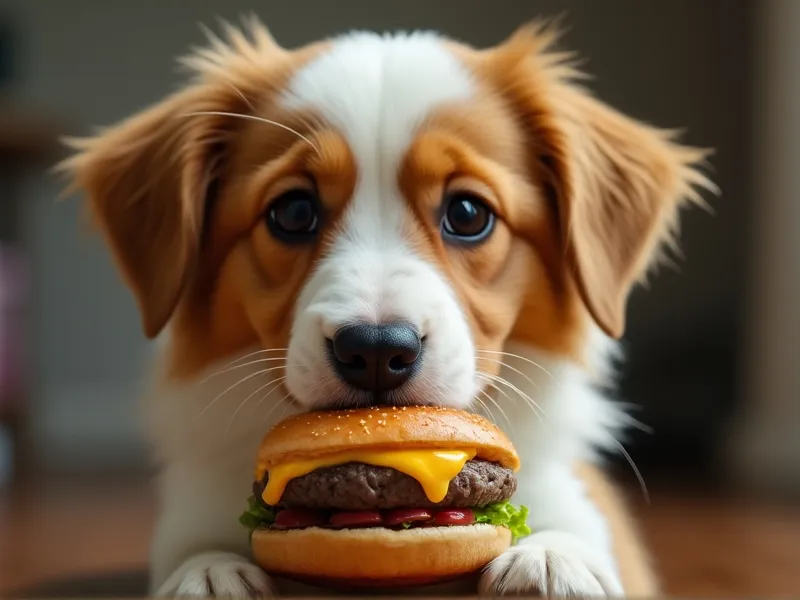
Table of Contents
- Can Dogs Eat Hamburger Buns? The Short Answer
- What’s in a Hamburger Bun, Anyway?
- Potential Benefits of Hamburger Buns for Dogs (Spoiler: They’re Minimal)
- The Risks: Why Hamburger Buns Aren’t Ideal for Dogs
- How Much Hamburger Bun Is Safe for Dogs? Guidelines by Size
- Healthier Alternatives to Hamburger Buns
- FAQ: Your Burning Questions Answered
- Conclusion: Enjoy BBQs Responsibly with Your Pup
Can Dogs Eat Hamburger Buns? The Short Answer
Yes, dogs can eat hamburger buns in small, occasional amounts—but they’re not a healthy or necessary part of their diet.
Hamburger buns are not toxic to dogs, and a tiny bite here and there is unlikely to cause harm. However, they’re mostly made of refined flour, sugar, and salt—ingredients that offer little nutritional value for your pup. Think of them like junk food for dogs: okay as a rare treat, but not something you should make a habit of feeding.
What’s in a Hamburger Bun, Anyway?
To understand why hamburger buns are “meh” for dogs, let’s peek at their typical ingredients. A standard store-bought hamburger bun contains:
- Refined wheat flour: Stripped of most fiber and nutrients (unlike whole grain flour).
- Sugar: Added to enhance flavor (some brands use honey, high-fructose corn syrup, or even “natural sweeteners”).
- Salt: For taste and preservation.
- Yeast: Used to make the bun rise (harmless once baked, but raw yeast can be dangerous—more on that later).
- Additives: Preservatives, emulsifiers, or artificial flavors (unnecessary for dogs).
Some buns might include extras like sesame seeds, poppy seeds, or garlic powder (garlic is toxic to dogs, but trace amounts in buns are usually negligible—still, better to avoid!).
Potential Benefits of Hamburger Buns for Dogs (Spoiler: They’re Minimal)
Let’s start with the good news: hamburger buns aren’t all bad. In very small doses, they might offer a few minor perks:
1. Trace Nutrients (If You Choose Whole Grain)
If you opt for a whole grain hamburger bun, it may contain small amounts of:
- Fiber: Helps support digestion (though dogs need more fiber from sources like pumpkin or leafy greens).
- B Vitamins: Thiamine (B1) and niacin (B3), which aid energy metabolism (but dogs get far more B vitamins from their regular food, like meat or eggs).
2. Comfort Food (For Picky Eaters or Sick Dogs)
In rare cases, vets might recommend plain, cooked bread (like a hamburger bun) to soothe an upset stomach—think of it as the dog equivalent of toast for humans. However, this is only temporary and should be done under veterinary guidance.
The Risks: Why Hamburger Buns Aren’t Ideal for Dogs
Now, the not-so-good news: the risks of feeding hamburger buns often outweigh the benefits, especially if given regularly or in large quantities. Here’s what to watch for:
1. Empty Calories = Weight Gain
Hamburger buns are high in carbs and low in protein, fat, or essential nutrients—aka “empty calories.” A single bun can pack 150–200 calories (more for larger buns), which is a lot for a small dog. For example:
- A 10-lb Chihuahua needs only ~300 calories per day. A single bun would make up 50% of their daily intake!
- Over time, extra calories from buns can lead to obesity, which raises the risk of diabetes, joint pain, and heart disease.
2. Sugar: A Hidden Danger
Many buns contain added sugar, which dogs don’t need. Too much sugar can cause:
- Dental issues: Cavities and gum disease (dogs can’t brush their teeth after eating!).
- Blood sugar spikes: Especially risky for dogs with diabetes.
- Pancreatitis: In severe cases, a high-sugar diet can trigger inflammation of the pancreas (a painful, life-threatening condition).
3. Salt: Bad for Blood Pressure
Dogs need only tiny amounts of salt (about 0.25 grams per 10 lbs of body weight daily). A hamburger bun can have 200–300 mg of sodium—almost enough to hit a small dog’s daily limit in one bite! Excess salt leads to:
- Thirst and dehydration.
- Electrolyte imbalances.
- High blood pressure (over time).
4. Stomach Upset (Bloating, Gas, or Diarrhea)
Dogs’ digestive systems aren’t built to handle large amounts of refined carbs. Feeding a bun (or half a bun!) can cause:
- Bloating: The yeast in the bun, even after baking, can ferment in the gut, leading to gas and discomfort.
- Diarrhea or constipation: Sudden carb overload disrupts the gut microbiome.
5. Choking Hazard (Especially for Small Dogs)
Dry, crumbly bun pieces can get stuck in a dog’s throat, especially if they gulp their food. Small breeds like Yorkies or Shih Tzus are at higher risk.
6. Raw Yeast Dough (A Serious Risk!)
This is a big one: never feed raw hamburger bun dough to dogs. Unbaked yeast ferments in the stomach, producing alcohol and carbon dioxide. This can cause:
- Bloat: The dough expands, putting pressure on organs (life-threatening).
- Alcohol poisoning: Symptoms include vomiting, disorientation, or even coma.
If your dog gets into raw dough, call your vet immediately.
How Much Hamburger Bun Is Safe for Dogs? Guidelines by Size
The key word here is moderation. A “safe” amount depends on your dog’s size, age, and overall health. Here’s a rough guide:
| Dog Size | Max Amount of Hamburger Bun (Occasional Treat) |
|---|---|
| Small (under 20 lbs: Chihuahua, Pomeranian) | 1–2 small bites (about 1/4 of a bun) |
| Medium (20–50 lbs: Beagle, Cocker Spaniel) | 1 small slice (1/2 of a bun) |
| Large (50+ lbs: Labrador, German Shepherd) | 1 whole bun (but only very occasionally!) |
Important rules:
- Only feed hamburger buns as a treat, not a meal replacement.
- Avoid buns with added sugar, garlic, onion, or raisins (all toxic to dogs).
- If your dog has diabetes, obesity, or digestive issues, skip the bun entirely.
Healthier Alternatives to Hamburger Buns
If you want to share a “bread-like” treat with your dog, there are far better options than hamburger buns. Here are our top picks:
1. Whole Grain Bread (No Sugar or Additives)
A plain slice of whole grain bread (without sugar, salt, or seeds) is a better choice than a hamburger bun. It has more fiber and fewer empty calories.
2. Cooked, Plain Meat (The Best Option!)
Instead of the bun, give your dog a tiny piece of the burger patty (cooked, no salt/seasoning). Dogs thrive on protein, and plain beef is far more nutritious than bread.
3. Dog-Safe Veggies & Fruits
For a low-calorie, nutrient-dense treat, try:
- Carrots (crunchy and high in vitamin A).
- Blueberries (packed with antioxidants).
- Pumpkin (canned, unsweetened—great for digestion).
4. Homemade Dog Treats
Bake your own dog-friendly “buns” using whole wheat flour, peanut butter (no xylitol), and banana. They’re easy to make and free of added sugars!
FAQ: Your Burning Questions Answered
Q: Can dogs eat hamburger buns with sesame seeds?
A: Sesame seeds are generally safe for dogs in small amounts, but they pose a choking risk for tiny breeds. If your dog gulps food, skip the seeds.
Q: My dog stole a whole hamburger bun! Should I panic?
A: Probably not, but monitor them for 24 hours. Watch for signs of bloating, vomiting, diarrhea, or lethargy. If they seem uncomfortable, call your vet.
Q: Are gluten-free hamburger buns better for dogs?
A: Only if your dog has a diagnosed gluten allergy (rare in dogs). Otherwise, gluten-free buns are just as high in empty calories as regular buns.
Q: Can puppies eat hamburger buns?
A: Puppies have sensitive tummies and need nutrient-dense food for growth. Stick to their puppy food—save buns for adult dogs (and even then, rarely!).
Conclusion: Enjoy BBQs Responsibly with Your Pup
Hamburger buns aren’t toxic to dogs, but they’re not a health food, either. A tiny bite at the BBQ won’t hurt, but making them a regular treat could lead to weight gain or digestive issues.
The best way to keep your dog happy and healthy? Prioritize their balanced, vet-approved diet, and save human foods like hamburger buns for very special occasions. And when in doubt, always check with your vet—they know your pup’s unique needs best.
Now, go enjoy that BBQ with Bella (and maybe slip her a piece of plain burger instead of the bun). 🐶🍔
References
- American Kennel Club (AKC). “Human Foods Dogs Can and Can’t Eat.” akc.org
- ASPCA. “Toxic and Non-Toxic Plants & Foods.” aspca.org
- PetMD. “Can Dogs Eat Bread?” petmd.com
- Veterinary Nutritionist Dr. Jennifer Coates. “Feeding Bread to Dogs: Is It Safe?” pethealthnetwork.com