· 7 min read
Can Dogs Eat Ham Bones? Raw vs. Cooked Risks, Benefits, and Safe Alternatives
It’s a familiar scene: holiday dinner is over, and your pup is parked at your feet, tail thumping, eyes locked on the leftover ham bone on your plate. “Just a little treat won’t hurt,” you think. After all, dogs love bones, right? But before you toss that smoky, meaty bone to your eager companion, let’s get real: ham bones—whether raw or cooked—are far riskier than you might realize.
In this guide, we’ll break down the truth about ham bones and dogs: why they’re often a bad idea, the rare (and minimal) benefits, the serious risks to watch for, and healthier alternatives that’ll keep your dog happy and safe. Let’s dig in.
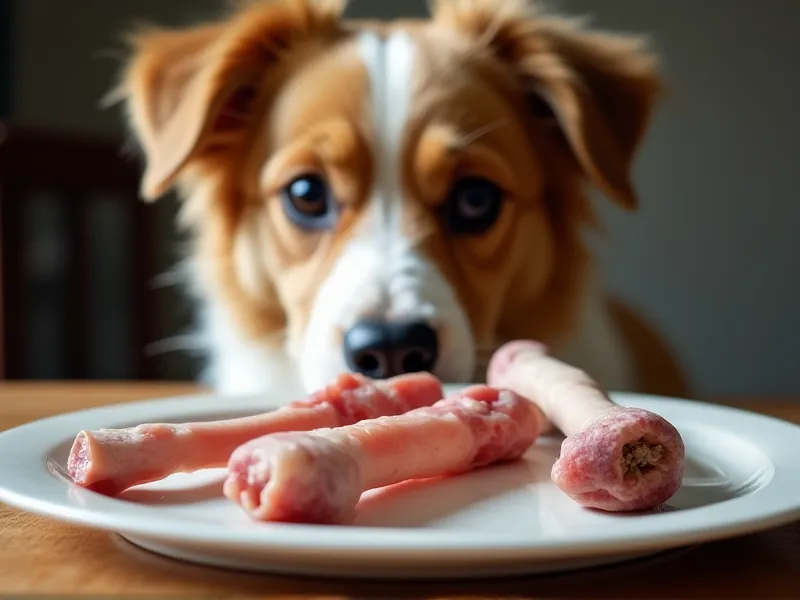
Table of Contents
- Can Dogs Eat Ham Bones? The Short Answer
- Potential “Benefits” of Ham Bones: Separating Fact from Fiction
- The Risks of Ham Bones: Why They’re More Dangerous Than You Think
- How Much Ham Bone Is “Safe” for Dogs? Spoiler: Probably None
- Healthier Alternatives to Ham Bones
- FAQ: Your Ham Bone Questions Answered
- Conclusion: Prioritize Safety Over Tradition
- References
Can Dogs Eat Ham Bones? The Short Answer
No. Dogs should not eat ham bones—raw or cooked. While they may seem like a “natural” treat, ham bones pose significant risks to your dog’s health, including choking, intestinal blockages, splinter injuries, and pancreatitis. Even small amounts can lead to serious issues, especially in small breeds or dogs prone to digestive sensitivity.
Potential “Benefits” of Ham Bones: Separating Fact from Fiction
You might have heard that bones are good for dogs—after all, wolves eat bones in the wild, right? Let’s set the record straight: domestic dogs are not wolves, and ham bones are not the same as the bones wolves consume. Here’s what “benefits” proponents claim, and why they don’t hold up:
1. Nutrients Like Calcium and Phosphorus
Bones do contain calcium and phosphorus, which are important for bone health. However, ham bones are small, thin, and often stripped of most meat, leaving little nutritional value. Your dog gets far more balanced calcium and phosphorus from their regular dog food (which is formulated to meet their needs) than from a risky ham bone.
2. Dental Health
Chewing bones can help scrape plaque off teeth—but only if the bone is large, hard, and non-splintery. Ham bones are small and brittle, so they’re more likely to break into sharp pieces than to clean teeth effectively.
3. Mental Stimulation
Chewing is calming for dogs, and bones can keep them occupied. But again, there are safer ways to provide mental stimulation (more on that later!).
The bottom line: Any “benefits” of ham bones are minimal and far outweighed by the risks.
The Risks of Ham Bones: Why They’re More Dangerous Than You Think
Let’s get into the details: why exactly are ham bones so risky for dogs?
Cooked Ham Bones: A Splintering Hazard
Cooking changes the structure of bones, making them dry, brittle, and prone to splintering. When a dog chews a cooked ham bone, it can shatter into sharp, needle-like fragments that:
- Choke your dog if they get stuck in the throat.
- Tear the esophagus, stomach, or intestines as they pass through, leading to internal bleeding or infection.
- Cause intestinal blockages, which often require surgery to remove (and can be fatal if untreated).
ASPCA warns that cooked bones of any kind—including ham, turkey, and chicken—are among the most common causes of emergency vet visits for dogs.
Raw Ham Bones: Bacteria, Choking, and Blockages
Some pet owners argue that raw bones are safer because they’re softer and less likely to splinter. While raw bones are less brittle than cooked ones, they’re still risky:
- Bacterial contamination: Raw ham (and its bones) can harbor harmful bacteria like Salmonella or E. coli, which can sicken both your dog and your family (especially kids or immunocompromised adults).
- Choking or blockages: Even raw ham bones are small and can be broken into chunks that get stuck in your dog’s throat or digestive tract. Small breeds are at extra risk here.
- Tooth damage: Aggressive chewers may crack or break teeth on raw bones, leading to painful dental issues.
High Salt and Fat: A Recipe for Pancreatitis
Ham is a cured meat, meaning it’s loaded with salt (sodium). A single ham bone can have enough salt to cause sodium ion poisoning in dogs, leading to symptoms like vomiting, diarrhea, excessive thirst, lethargy, seizures, or even death.
Even worse: the fat on ham bones is a major trigger for pancreatitis—a painful, potentially life-threatening inflammation of the pancreas. Pancreatitis symptoms include severe abdominal pain, vomiting, loss of appetite, and fever, and often require hospitalization.
How Much Ham Bone Is “Safe” for Dogs? Spoiler: Probably None
Veterinarians universally agree: there’s no “safe” amount of ham bone to feed your dog. Even a tiny piece of cooked bone can splinter, and a small raw bone can still cause choking or blockages.
If your dog accidentally nabs a small sliver of ham bone, monitor them closely for 24–48 hours (more on that in the FAQ!). But intentionally feeding ham bones is never recommended.
Healthier Alternatives to Ham Bones
Want to treat your dog to a tasty, safe chew? Try these vet-approved alternatives:
1. Raw Meaty Bones (From Safe Sources)
If you want to give your dog a bone, opt for large, raw, meaty bones from grass-fed beef (like marrow bones) or bison. These are thick, non-splintery, and provide nutrients and dental benefits. Always choose bones larger than your dog’s head to prevent choking, and supervise chewing.
2. Dental Chews
Products like Greenies, Milk-Bone Brushing Chews, or C.E.T. Enzymatic Chews are designed to clean teeth and freshen breath without the risk of bones. Look for the VOHC (Veterinary Oral Health Council) seal of approval.
3. Bully Sticks or Pig Ears
These all-natural chews are long-lasting, low in fat, and easy to digest (in moderation). Avoid flavored or processed versions—stick to plain, single-ingredient options.
4. Vegetables
Carrots, celery, or sweet potato slices are crunchy, low-calorie, and great for dogs who love to chew. They’re also packed with vitamins!
5. Kong Toys Stuffed with Treats
Fill a Kong with peanut butter (no xylitol!), plain yogurt, or dog-safe fruits for a mentally stimulating, mess-free chew.
FAQ: Your Ham Bone Questions Answered
Q: Can puppies eat ham bones?
A: No. Puppies have smaller, more delicate digestive systems and are at higher risk of choking or blockages. Their teeth are also still developing, so bones can cause dental damage.
Q: My dog already ate a ham bone—what should I do?
A: Stay calm, but act fast. Watch for symptoms like vomiting, diarrhea, lethargy, loss of appetite, difficulty breathing, or straining to poop. If you notice any of these, contact your vet immediately. Even if your dog seems fine, call your vet for guidance—some blockages take hours or days to show symptoms.
Q: Are turkey bones safer than ham bones?
A: No. Cooked turkey bones are just as brittle and splinter-prone as ham bones. Raw turkey bones are also risky for the same reasons as raw ham bones.
Q: Is plain ham meat (without the bone) safe for dogs?
A: In tiny amounts, maybe—but it’s not recommended. Ham is high in salt and fat, which can cause stomach upset or pancreatitis. Stick to lean, unseasoned meats like plain chicken or turkey instead.
Q: My dog has eaten ham bones before and been fine—why is it a problem now?
A: Luck, not safety. Just because your dog avoided issues once doesn’t mean they will next time. Splinters or blockages can happen randomly, even with “experienced” chewers.
Conclusion: Prioritize Safety Over Tradition
It’s hard to resist those puppy-dog eyes during holiday meals, but ham bones are simply not worth the risk. The potential for choking, internal injuries, or pancreatitis far outweighs any temporary joy your dog might get from chewing one.
Instead, opt for the safe alternatives we listed—your dog will love them just as much, and you’ll have peace of mind knowing you’re keeping them healthy. When in doubt, always check with your vet before introducing new treats into your dog’s diet.
After all, the best treat you can give your pup is a long, happy, healthy life.
References
- American Society for the Prevention of Cruelty to Animals (ASPCA). “People Foods to Avoid Feeding Your Pets.” aspca.org/pet-care/animal-poison-control/people-foods-avoid-feeding-your-pets
- American Veterinary Medical Association (AVMA). “Bones Are Not a Dog’s Best Friend.” avma.org/resources/pet-owners/petcare/bones-are-not-dogs-best-friend
- VCA Hospitals. “Pancreatitis in Dogs.” vcahospitals.com/know-your-pet/pancreatitis-in-dogs
- PetMD. “Can Dogs Eat Ham?” petmd.com/dog/nutrition/can-dogs-eat-ham