· 8 min read
Can Dogs Eat Cooked Ham Bones? The Surprising Truth Every Pet Parent Needs to Know
Picture this: It’s Thanksgiving, Christmas, or maybe just a lazy Sunday dinner. You’re carving into a juicy ham, the smell filling the kitchen, when your dog trots over—tail wagging, eyes wide, nose twitching. They plop down at your feet, giving you that “I’ll be good, promise!” look, and you can almost hear their silent plea: “Can I have a bone, please?”
It’s a scene many pet parents know well. Ham bones feel like a “natural” treat—something dogs “should” love, right? After all, dogs are descendants of wolves, and wolves eat bones. But here’s the thing: Your couch-loving, kibble-eating pup isn’t a wolf. And that cooked ham bone? It might be more dangerous than you think.
In this post, we’ll cut through the myths, break down the risks, and give you clear answers on whether cooked ham bones are safe for dogs. Spoiler: The answer might surprise you. Let’s dive in.
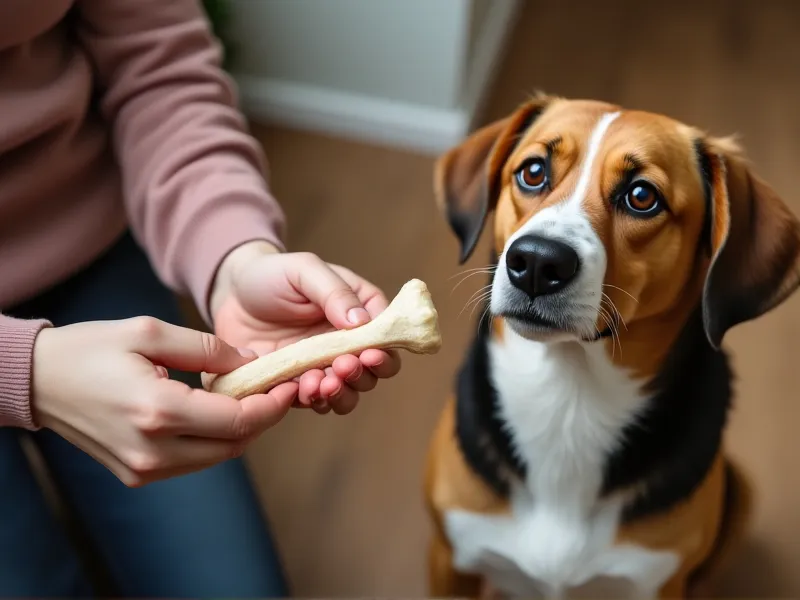
Table of Contents
- Can Dogs Eat Cooked Ham Bones? The Short Answer
- The (Minimal) Potential “Benefits” of Ham Bones (With a Big Caveat)
- The Real Risks: Why Cooked Ham Bones Are a Hidden Hazard
- So, How Much Cooked Ham Bone Is “Safe” for Dogs?
- Healthier Alternatives to Cooked Ham Bones
- FAQ: Your Most Pressing Questions Answered
- Conclusion: Love Them Enough to Say “No”
Can Dogs Eat Cooked Ham Bones? The Short Answer
No. Cooked ham bones are not safe for dogs. While it’s tempting to share that leftover bone as a “treat,” the risks far outweigh any perceived benefits. Cooked bones—including ham bones—become brittle and prone to splintering, which can lead to life-threatening injuries. Even small pieces can cause choking, tears in the digestive tract, or blockages that require surgery.
Let’s unpack why, and what you can give your pup instead.
The (Minimal) Potential “Benefits” of Ham Bones (With a Big Caveat)
You might think, “But bones are natural! My dog loves chewing them—isn’t that good for their teeth?” It’s true that chewing can help clean teeth and relieve boredom, and bone marrow does contain nutrients like iron, zinc, and healthy fats. However, these “benefits” are negligible compared to the dangers of cooked ham bones.
- Nutrients in bone marrow: Cooked bone marrow is high in fat (more on that later) and may lose some nutrients during cooking. Any trace minerals here are not worth the risk of splintering.
- Dental health: While chewing can scrape plaque, cooked bones are too hard and brittle—they can actually crack teeth or damage gums instead of cleaning them.
In short: The “pros” are minimal, and the cons are severe.
The Real Risks: Why Cooked Ham Bones Are a Hidden Hazard
To understand why cooked ham bones are so dangerous, let’s break down the risks—each of which could land your dog in the vet’s office (or worse).
Splintering: Sharp Shards That Tear Internal Tissues
Raw bones are flexible, but cooking changes everything. Heat dries out bones, making them hard, brittle, and prone to splintering. When your dog chews a cooked ham bone, it can shatter into tiny, needle-like fragments. These shards can:
- Tear the gums, tongue, or cheeks (causing pain and infection).
- Scratch or puncture the esophagus (the tube connecting the mouth to the stomach), leading to bleeding or difficulty swallowing.
- Tear the stomach or intestines, which can cause peritonitis (a life-threatening infection of the abdominal cavity).
Vets often see dogs with these injuries around holidays, when ham bones are abundant. One study from the Journal of the American Veterinary Medical Association (AVMA) found that bone-related emergencies spike by 20% during Thanksgiving and Christmas.
High Fat, Salt, and Sugar: A Recipe for Pancreatitis and More
Ham itself is problematic, even without the bone. Most hams are cured with salt, sugar, and spices (like garlic or onion, which are toxic to dogs). When you give your dog a ham bone, they’re not just chewing the bone—they’re likely gnawing off bits of fatty ham, too.
- Fat: Excess fat triggers pancreatitis, a painful condition where the pancreas becomes inflamed. Symptoms include vomiting, diarrhea, lethargy, and loss of appetite. Severe pancreatitis can require hospitalization and even be fatal.
- Salt: Too much salt leads to sodium ion poisoning, causing excessive thirst, urination, seizures, or kidney damage. A single slice of ham can contain 300–500 mg of sodium—more than a small dog’s daily recommended intake (which is around 100–200 mg).
- Sugar: Added sugars contribute to obesity, dental decay, and even diabetes in dogs.
Even a small amount of ham fat on a bone can be dangerous for dogs, especially small breeds, puppies, or those with preexisting conditions like obesity or kidney disease.
Choking and Intestinal Blockages: A Life-Threatening Emergency
Cooked bones are also a major choking hazard. A dog might bite off a chunk of bone that’s too big to swallow, lodging it in their throat. Signs of choking include pawing at the mouth, gagging, or difficulty breathing—this requires immediate first aid (and a vet visit).
If the bone fragment is swallowed, it can get stuck in the intestines, causing a blockage. Symptoms of a blockage include:
- Vomiting (especially after eating).
- Constipation or straining to poop (with little or no stool).
- Abdominal pain (your dog may whimper when you touch their belly).
- Lethargy or loss of appetite.
Intestinal blockages are emergencies. Without surgery, the blocked tissue dies, leading to sepsis or death.
So, How Much Cooked Ham Bone Is “Safe” for Dogs?
None. There’s no “safe” amount of cooked ham bone to give your dog. Even a small sliver can cause harm. Some pet parents think, “My dog has eaten cooked bones before and been fine!” But luck isn’t a strategy. Every dog is different, and one bad experience could cost you thousands in vet bills—or your dog’s life.
If your dog accidentally gets a cooked ham bone (e.g., they steal it off the counter), don’t panic—but act fast. Call your vet immediately. They may recommend monitoring for symptoms or bringing your dog in for an exam (e.g., X-rays to check for blockages). Never induce vomiting unless your vet tells you to—this could worsen internal tears.
Healthier Alternatives to Cooked Ham Bones
Your dog craves something to chew—so give them safe options! Here are vet-approved alternatives:
Safe Chew Toys: Durable and Fun
- Rubber chew toys: Brands like Kong or Nylabone make tough, non-toxic toys that massage gums and satisfy chewing urges. Stuff them with peanut butter (unsalted, no xylitol) or pumpkin puree for extra fun.
- Antler chews: Deer or elk antlers are hard but less brittle than cooked bones. Choose “split” antlers (for small dogs) or whole ones (for large breeds), and supervise to prevent splintering.
- Bully sticks: Made from dried bull pizzle, these are high in protein and digestible. Opt for “odor-free” versions if you’re sensitive to smells!
Nutritious Treats: Lean Meats and Veggies
If your dog loves the taste of ham, try small, occasional bites of cooked, lean turkey or chicken (no bones, skin, or seasoning). For veggies, carrots, green beans, or sweet potatoes (cooked, no butter) are low-calorie and safe.
Vet-Recommended Raw Bones (With Caution)
Some vets recommend raw, meaty bones (like chicken necks or beef knuckles) as a natural chew. Raw bones are softer and less likely to splinter than cooked ones. However, they carry risks:
- Bacteria: Raw bones may have Salmonella or E. coli, which can sicken dogs or humans.
- Tooth damage: Hard bones (like marrow bones) can crack teeth.
If you want to try raw bones, ask your vet for guidance. Only give them under supervision, and avoid weight-bearing bones (like femurs) which are too hard.
FAQ: Your Most Pressing Questions Answered
Q: Can my dog eat ham (the meat) in small amounts?
A: Maybe, but it’s not ideal. A tiny bite (the size of a pea for a Chihuahua, a dime for a Lab) is unlikely to harm, but ham is high in salt and fat. Stick to lean, unseasoned meats instead.
Q: My dog already ate a cooked ham bone! What should I do?
A: Don’t panic, but monitor them closely for 24–48 hours. Watch for vomiting, diarrhea, lethargy, blood in stool, or difficulty pooping. If any of these occur, call your vet immediately—they may need X-rays or surgery.
Q: Are raw ham bones safer than cooked ones?
A: Raw bones are less brittle, but ham bones (even raw) are high in fat and salt. Plus, raw pork can carry Trichinella (a parasite that causes trichinosis). Stick to raw bones from chicken, turkey, or beef instead, and consult your vet first.
Q: How do I know if my dog has a bone splinter injury?
A: Symptoms include:
- Drooling excessively.
- Refusing to eat or drink.
- Pawing at the mouth.
- Vomiting (especially with blood).
- Bloody diarrhea or straining to poop.
If you see these, head to the vet right away.
Conclusion: Love Them Enough to Say “No”
It’s hard to resist those puppy eyes begging for a ham bone, but the truth is: cooked ham bones are a risk we can’t take. The “joy” of a 10-minute chew isn’t worth a trip to the emergency vet—or losing your furry friend.
Instead, opt for safe chews, lean treats, or playtime with their favorite toy. And when in doubt, always consult your vet—they know your dog’s health best.
Your dog loves you unconditionally. Love them back by keeping them safe. 🐾
References
- American Kennel Club (AKC). “Can Dogs Eat Ham?” akc.org
- American Veterinary Medical Association (AVMA). “Pancreatitis in Dogs.” avma.org
- PetMD. “Why Cooked Bones Are Dangerous for Dogs.” petmd.com
- Journal of the American Veterinary Medical Association. “Holiday-Related Pet Emergencies: A Retrospective Study.” 2019.