· 8 min read
Can Dogs Eat Guava Paste? A Pet Parent’s Guide to Sweet Snacks
It’s a lazy Sunday morning, and you’re indulging in a favorite treat: a slice of warm cheese with a dollop of sticky, sweet guava paste. As you savor the tropical flavor, your dog trots over, tail wagging, nose twitching, and fixes you with those “please share” eyes. You pause—guava is a fruit, so it must be safe, right? But this isn’t fresh guava; it’s guava paste, thick and sugary. Can dogs really eat guava paste, or is this a snack best kept to yourself?
If you’ve ever found yourself asking this question, you’re not alone. Guava paste is a beloved ingredient in many cuisines (think Brazilian goiabada or Spanish pasta de guayaba), but when it comes to our four-legged friends, the rules around human foods can get tricky. In this guide, we’ll break down everything you need to know about guava paste and dogs—from its potential benefits to hidden risks, plus how to safely share (or not share) this treat with your pup.
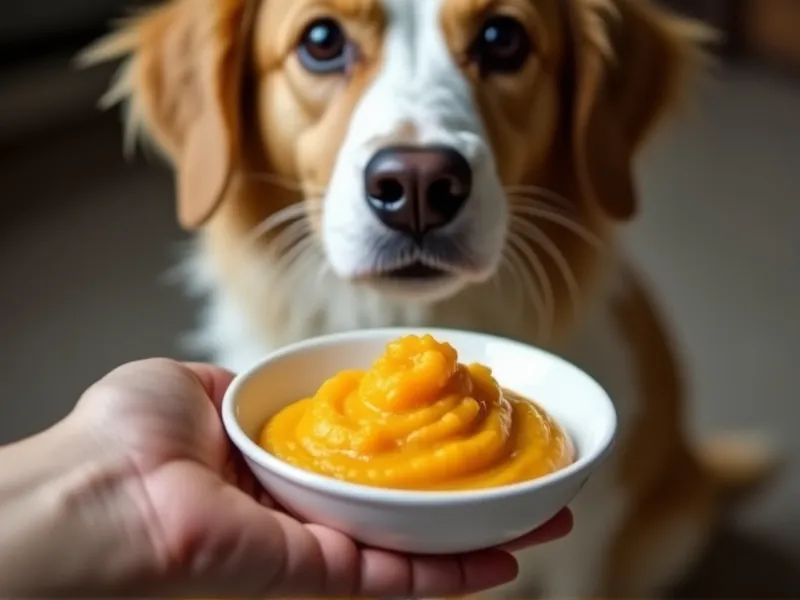
Table of Contents
- Can Dogs Eat Guava Paste? The Short Answer
- What is Guava Paste, Anyway?
- Potential Benefits of Guava Paste for Dogs
- Risks of Feeding Guava Paste to Dogs
- How Much Guava Paste is Safe for Dogs? Guidelines by Size
- Healthier Alternatives to Guava Paste
- FAQ: Common Questions About Dogs and Guava Paste
- Conclusion: Moderation is Key
- References
Can Dogs Eat Guava Paste? The Short Answer
Yes, dogs can eat guava paste in very small amounts, but it’s not an ideal treat. Guava paste is not toxic to dogs, but its high sugar content and thick, sticky texture make it a risky choice for regular feeding. While it may offer trace amounts of nutrients like fiber and potassium, the downsides—including obesity, dental issues, and stomach upset—often outweigh the benefits.
In short: Think of guava paste as an occasional, tiny “human food” splurge, not a go-to snack. And when in doubt, fresh guava (without added sugar) is always a better option.
What is Guava Paste, Anyway?
Before diving into the pros and cons, let’s clarify what guava paste actually is. Unlike fresh guava—juicy, sweet-tart, and packed with seeds—guava paste is a processed product. It’s made by cooking down ripe guava fruit with sugar (and sometimes pectin, a natural thickener) until it forms a dense, spreadable paste. The result is intensely sweet, with a concentrated guava flavor and a texture that ranges from soft to firm (some versions are even sliceable, like fruit leather).
Because it’s cooked with sugar, guava paste has a much higher sugar content than fresh guava. For context: A cup of fresh guava contains about 9 grams of natural sugar, while a 1-ounce (28g) serving of guava paste can have upwards of 20 grams of sugar (that’s 5 teaspoons!). This concentration is why guava paste is more of a “dessert topping” than a health food—and why it’s a concern for dogs.
Potential Benefits of Guava Paste for Dogs
While guava paste isn’t a nutritional powerhouse for dogs, it does retain some of the original guava’s nutrients—though in smaller amounts than fresh fruit. Here’s what to know:
1. Trace Nutrients from Guava
Fresh guava is rich in vitamins A and C, antioxidants, and minerals like potassium. Guava paste, being made from guava, may still contain small amounts of these nutrients. For example:
- Potassium: Important for heart health, muscle function, and blood pressure regulation. Even a tiny serving of guava paste could offer a small potassium boost (though fresh guava is a better source).
- Fiber: Guava flesh (and thus guava paste) contains dietary fiber, which aids digestion by supporting healthy gut bacteria and preventing constipation. However, the fiber content in paste is minimal compared to fresh guava, thanks to processing.
2. A Tasty, Occasional Treat
Let’s be real: Dogs love sweet flavors, and guava paste is very sweet. For some pups, a tiny bite can be a novel, enjoyable treat—great for training or bonding. Just remember: “Tasty” doesn’t equal “healthy.”
Risks of Feeding Guava Paste to Dogs
The risks of guava paste far outweigh its minor benefits, especially with regular feeding. Here’s why you should proceed with caution:
1. High Sugar Content: A Major Red Flag
Sugar is the biggest concern with guava paste. Dogs’ bodies aren’t designed to process large amounts of added sugar, and even small servings can lead to:
- Obesity: Excess sugar turns to fat, increasing the risk of weight gain and related issues like joint pain or heart disease.
- Dental Problems: Sugar feeds harmful bacteria in your dog’s mouth, leading to plaque, tartar, and cavities.
- Diabetes: Chronic sugar intake can disrupt insulin regulation, raising the risk of diabetes (especially in predisposed breeds like Pugs or Beagles).
- Energy Spikes and Crashes: Like humans, dogs can get a sugar “high” followed by a crash, leading to hyperactivity or lethargy.
2. Stomach Upset
Guava paste’s high sugar and fiber content can irritate your dog’s digestive system, especially if they’re not used to it. Symptoms may include:
- Diarrhea
- Vomiting
- Gas or bloating
Small dogs and puppies are particularly sensitive, as their tummies are smaller and less resilient.
3. Choking Hazard
Guava paste is thick and sticky, which makes it a choking risk—especially for small dogs or dogs who gulp treats without chewing. A chunk of paste could get stuck in their throat, blocking airflow. Even if it doesn’t choke them, the sticky texture can cling to teeth and gums, promoting dental decay.
4. Hidden Additives (Rare, But Possible)
Some commercial guava pastes may contain additives like artificial colors, flavors, or preservatives. While these are generally safe in small amounts, they offer no nutritional value and could trigger allergies in sensitive dogs. Always check the label for “all-natural” ingredients (guava and sugar only) if you do decide to share.
How Much Guava Paste is Safe for Dogs? Guidelines by Size
If you still want to share a tiny bite of guava paste with your dog (e.g., as a special occasion treat), portion control is critical. Here are general guidelines based on your dog’s weight:
| Dog Size | Maximum Serving Size | Frequency |
|---|---|---|
| Small (under 20 lbs) | Pea-sized piece (1-2 grams) | Once every 2-3 weeks |
| Medium (20-50 lbs) | Dime-sized piece (3-5 grams) | Once every 2 weeks |
| Large (50+ lbs) | Nickel-sized piece (5-8 grams) | Once every 1-2 weeks |
Key Rules:
- Never feed guava paste daily or weekly. It should be a rare treat, not a routine snack.
- Avoid feeding to puppies under 6 months old—their digestive systems are still developing, and sugar can cause stomach upset.
- If your dog has diabetes, obesity, or dental issues, skip guava paste entirely.
Healthier Alternatives to Guava Paste
If you want to treat your dog to something sweet and fruity, skip the guava paste and opt for these healthier alternatives:
1. Fresh Guava (Seedless)
Fresh guava is the gold standard. It’s lower in sugar, higher in fiber and nutrients, and dogs often love its sweet-tart flavor. Just remove the seeds (they’re a choking hazard) and serve a small slice (1-2 tablespoons for small dogs, up to ¼ cup for large dogs).
2. Unsweetened Applesauce
A classic dog-safe treat! Applesauce is low in sugar, high in fiber, and easy to digest. Look for unsweetened varieties (no added sugar or cinnamon, which can be irritating in large amounts).
3. Pumpkin Puree (Unsweetened)
Pumpkin is packed with fiber and beta-carotene, great for digestion. Serve a spoonful (1-2 tbsp for small dogs, ¼ cup for large) mixed into kibble or as a standalone treat.
4. Fresh Berries
Blueberries, strawberries, or raspberries are low in sugar, high in antioxidants, and perfect for training. A few berries go a long way!
5. Banana Slices
Bananas are naturally sweet, high in potassium, and easy to mash or slice. Feed 1-2 small slices per day (avoid overdoing it—they’re high in calories).
FAQ: Common Questions About Dogs and Guava Paste
Q: Is guava paste toxic to dogs?
A: No, guava paste is not toxic. However, its high sugar content can cause health issues with regular feeding.
Q: My dog ate a whole jar of guava paste! What should I do?
A: Contact your vet immediately. A large sugar overdose can lead to vomiting, diarrhea, or pancreatitis (a serious inflammation of the pancreas). Your vet may recommend monitoring for symptoms or bringing your dog in for treatment.
Q: Can dogs eat guava jam instead of guava paste?
A: Guava jam is similar to paste but less concentrated (it has more liquid). It still has high sugar content, so the same rules apply: tiny portions, rare treats.
Q: Are there any dogs who should never eat guava paste?
A: Yes. Avoid feeding to dogs with diabetes, obesity, dental disease, or sensitive stomachs. Also skip for puppies under 6 months.
Q: My dog loves guava paste—can I mix a little into their kibble?
A: It’s not recommended. Adding sugar to their regular diet increases the risk of weight gain and dental issues. Stick to healthier toppers like pumpkin or fresh veggies.
Conclusion: Moderation is Key
So, can dogs eat guava paste? Yes, but it’s far from ideal. While a tiny, occasional bite won’t harm most dogs, the high sugar, choking risk, and minimal nutritional value make it a treat best avoided. Instead, reach for fresh fruits like guava (seedless!), berries, or pumpkin puree—your dog will love the flavor, and you’ll love knowing you’re supporting their health.
As always, every dog is different. If you’re unsure whether guava paste is safe for your pup (especially if they have health conditions), consult your vet. When it comes to treats, moderation and common sense are your best tools.
Here’s to happy, healthy snacking—for both you and your furry friend!
References
- American Society for the Prevention of Cruelty to Animals (ASPCA). “People Foods to Avoid Feeding Your Pets.” aspca.org
- VCA Animal Hospitals. “Nutrition for Dogs.” vcahospitals.com
- American Kennel Club (AKC). “Can Dogs Eat Fruit? Which Fruits Are Safe for Dogs?” akc.org
- Cummings School of Veterinary Medicine at Tufts University. “Sugar and Pets: The Risks of Too Much Sweet Stuff.” tuftscvm.org