· 8 min read
Can Dogs Eat Ground Meat? A Pet Parent’s Guide to Safety, Benefits, and Risks
You’re standing at the stove, browning ground beef for tonight’s spaghetti, when you hear it—the soft whimper from the kitchen floor. You glance down, and there they are: your dog, tail thumping, nose twitching, those big, pleading eyes locked on your hand. “Just a tiny bite?” they seem to say.
We’ve all been there. Sharing food with our dogs feels like a love language, but it’s natural to pause and wonder: Is ground meat safe for them? After all, not everything we eat is dog-friendly. Let’s dive into the details to help you make the best choice for your pup.
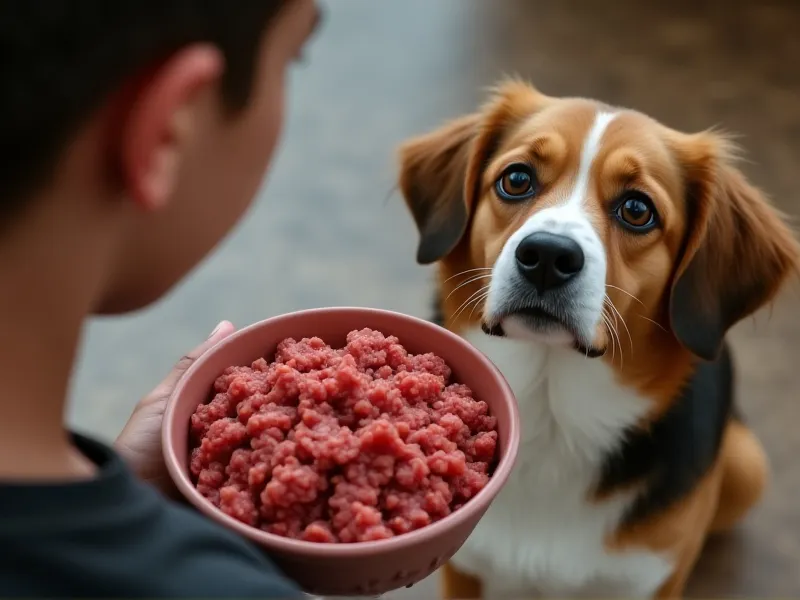
Table of Contents
- Can Dogs Eat Ground Meat? The Short Answer
- The Benefits of Ground Meat for Dogs
- The Risks: What to Watch Out For
- How Much Ground Meat Can Dogs Safely Eat?
- Healthier Alternatives to Plain Ground Meat
- FAQ: Your Top Ground Meat Questions Answered
- Conclusion: Moderation is Key
Can Dogs Eat Ground Meat? The Short Answer
Yes, dogs can eat ground meat—but with important caveats. Plain, cooked, lean ground meat (like beef, turkey, or chicken) is generally safe for dogs in moderation. It’s a protein-packed treat that many pups love, and it can even be part of a balanced diet when prepared correctly.
However, not all ground meat is created equal. Raw ground meat, seasoned varieties, or those high in fat pose risks. Let’s break down the “what,” “why,” and “how” to keep your dog happy and healthy.
The Benefits of Ground Meat for Dogs
Ground meat isn’t just a tasty snack—it can offer real nutritional perks for your pup when served right. Here’s why it might deserve a spot in their treat rotation:
1. High-Quality Protein for Muscle & Energy
Dogs are omnivores, but protein is the foundation of their diet. Ground meat is a fantastic source of complete protein, meaning it contains all the essential amino acids your dog needs to build and repair muscles, support healthy skin and coat, and keep their energy levels up. For example:
- Ground beef (lean): Rich in protein, iron, and zinc.
- Ground turkey (white meat): Lower in fat than beef, with B vitamins (like B6 and niacin) for brain health.
- Ground chicken: A lean option with selenium, which supports thyroid function.
2. Palatability for Picky Eaters or Sick Dogs
If your dog turns up their nose at kibble, a small amount of cooked ground meat can be a game-changer. Its soft texture and savory flavor make it appealing to picky eaters, senior dogs with dental issues, or dogs recovering from illness who need extra calories.
3. Nutrient Boost (When Paired with Veggies)
While ground meat itself isn’t high in fiber or potassium, pairing it with dog-safe veggies (like cooked carrots, green beans, or sweet potatoes) creates a balanced, nutrient-dense meal. For example:
- Carrots add fiber and vitamin A.
- Green beans offer potassium (great for heart health) and low calories.
- Sweet potatoes bring fiber and beta-carotene.
The Risks: What to Watch Out For
Ground meat isn’t without its downsides. Here are the key risks to keep in mind before sharing:
1. Raw Ground Meat = Bacterial Dangers
Raw or undercooked ground meat is a big no-no. Unlike cats, dogs aren’t “designed” to safely digest raw meat without risk—their digestive systems can still be harmed by bacteria like Salmonella or E. coli. These pathogens can cause vomiting, diarrhea, or even severe illness in dogs, and they’re also contagious to humans (a risk called “zoonosis”).
The FDA warns that raw pet food (including ground meat) is linked to higher rates of bacterial contamination, so play it safe: always cook ground meat thoroughly until it reaches an internal temperature of 160°F (71°C) for beef, 165°F (74°C) for poultry.
2. High Fat = Pancreatitis Risk
Fatty ground meat (like 80/20 beef or ground pork) is a recipe for trouble. Dogs’ pancreases aren’t great at processing large amounts of fat, and a high-fat meal can trigger pancreatitis—a painful, potentially life-threatening inflammation of the pancreas. Symptoms include vomiting, diarrhea, lethargy, and loss of appetite.
Stick to lean cuts (90/10 beef, ground turkey breast, or skinless chicken) to minimize this risk.
3. Seasonings & Additives Are Toxic
That taco meat you’re cooking? It’s probably loaded with garlic, onion, salt, or spices—all of which are toxic to dogs. Onions and garlic (even in small amounts) can damage red blood cells, leading to anemia. Salt can cause sodium ion poisoning (symptoms: excessive thirst, vomiting, seizures). Sugar, often added to processed ground meats (like some pre-seasoned burgers), contributes to obesity and dental disease.
Rule of thumb: Only share plain ground meat—no salt, pepper, garlic, onion, or sauces.
4. Choking or Blockages (Rare, But Possible)
Ground meat is generally soft, but if it’s undercooked and clumps into large chunks, it could pose a choking hazard—especially for small dogs. Always break up cooked ground meat into bite-sized pieces, and avoid serving it in thick patties.
5. Nutritional Imbalance (If Overfed)
Ground meat is nutrient-dense, but it’s not a complete meal. Feeding too much can throw off your dog’s diet, leading to deficiencies (e.g., lack of calcium, fiber, or vitamins) or excesses (e.g., too much iron). It should never replace their regular, balanced dog food.
How Much Ground Meat Can Dogs Safely Eat?
The golden rule here is moderation. Ground meat should be an occasional treat, not a staple. As a general guideline:
- Small dogs (under 20 lbs): 1–2 tablespoons of cooked, lean ground meat per day.
- Medium dogs (20–50 lbs): 2–3 tablespoons per day.
- Large dogs (50+ lbs): ¼–½ cup per day.
These amounts should make up no more than 10% of your dog’s daily calories. For example, a 30-lb dog eating 700 calories a day should have no more than 70 calories from ground meat (about 2–3 tbsp of lean beef).
Pro tip: Adjust based on your dog’s activity level, age, and health. Senior dogs or those with weight issues may need smaller portions, while active puppies (over 6 months) might handle a bit more.
Healthier Alternatives to Plain Ground Meat
If you want to mix things up (or make ground meat even more nutritious), try these dog-friendly twists:
1. Leaner Meats First
Opt for ground turkey breast (99% lean) or ground chicken breast over regular ground beef. They’re lower in fat and calories, making them safer for dogs prone to pancreatitis or weight gain.
2. Add Veggies for Fiber & Nutrients
Mix cooked ground meat with:
- Steamed carrots (shredded for small dogs)
- Blanched green beans
- Mashed sweet potato (no added sugar)
- Pumpkin puree (unsweetened, for digestion)
This boosts fiber, vitamins, and moisture—great for dogs with constipation or picky appetites.
3. Homemade Meatballs (Baked, Not Fried)
Form small meatballs with lean ground meat, a sprinkle of oats (for binding), and a dash of dog-safe herbs (like parsley). Bake them at 350°F for 15–20 minutes, then cool and store in the fridge for easy treats.
4. Frozen “Meat Pops” for Summer
Mix cooked ground meat with low-sodium chicken broth, pour into ice cube trays, and freeze. They’re a refreshing, protein-rich snack for hot days!
5. Avoid Processed Varieties
Skip pre-made “ground meat” products like:
- Sausage (high in salt, spices, and fat)
- Hamburger patties (often seasoned or high in fat)
- Lunch meat (loaded with preservatives like nitrates)
FAQ: Your Top Ground Meat Questions Answered
Q: Can dogs eat raw ground meat?
A: No. Raw ground meat carries a high risk of bacterial contamination (Salmonella, E. coli) that can sicken both dogs and humans. Cook it thoroughly to 160°F (beef) or 165°F (poultry).
Q: Is ground beef or ground turkey better for dogs?
A: Turkey (lean, white meat) is generally better for dogs prone to weight gain or pancreatitis, as it’s lower in fat. Beef is higher in iron and zinc, which can be beneficial for active dogs—but stick to 90/10 lean beef.
Q: Can puppies eat ground meat?
A: Yes, but in small amounts. Puppies need a balanced diet for growth, so ground meat should be an occasional treat (not a replacement for puppy food). Cook it plain and chop it finely to avoid choking.
Q: My dog ate seasoned ground meat—what should I do?
A: If it contained garlic, onion, or large amounts of salt, contact your vet immediately. Symptoms of toxicity (vomiting, diarrhea, lethargy) can appear within hours. For small amounts of mild seasonings (like a pinch of pepper), monitor your dog and call the vet if they seem unwell.
Q: Is ground meat good for dogs with sensitive stomachs?
A: Plain, cooked, lean ground meat (like chicken or turkey) can be gentle on sensitive stomachs—many vets recommend “bland diets” (meat + rice) for dogs with diarrhea. Always check with your vet first, though!
Conclusion: Moderation is Key
So, can dogs eat ground meat? Yes—when it’s cooked, unseasoned, lean, and served in moderation. It’s a protein-rich treat that most dogs adore, and with the right preparation, it can even support their health.
But remember: Every dog is different. If your pup has health issues (like pancreatitis, kidney disease, or food allergies), always consult your vet before adding ground meat to their diet. And when in doubt, stick to small, occasional portions of plain, lean meat.
At the end of the day, sharing a tiny bite of your cooked ground beef (sans the taco seasoning!) is a sweet way to bond with your dog. Just keep those puppy eyes in check—you’ve got this, pet parent!
References
- American Kennel Club (AKC). “Can Dogs Eat Ground Beef?” akc.org
- PetMD. “Raw Food Diets for Dogs: Risks and Benefits.” petmd.com
- U.S. Food and Drug Administration (FDA). “Raw Pet Food: A Risk to You and Your Pet.” fda.gov
- Cummings School of Veterinary Medicine at Tufts University. “Pancreatitis in Dogs.” tuftscvm.org