· 10 min read
Can Dogs Eat Ground Beef? A Pet Parent’s Guide to Safe & Nutritious Feeding
It’s a lazy Sunday evening, and you’re whipping up your famous spaghetti with a hearty ground beef sauce. As you stir the pan, your dog trots over, tail thumping against the cabinets, nose twitching at the savory aroma. Those big, pleading eyes seem to say, “Just a little taste? Please?” If you’ve ever found yourself in this scenario, you’re not alone. Many pet parents wonder: Can dogs eat ground beef? Is this kitchen staple a safe treat, or should it stay off the doggy menu?
Ground beef is a common ingredient in human meals, but when it comes to our furry friends, not all “people food” is created equal. In this guide, we’ll break down the facts: whether ground beef is safe for dogs, its potential benefits, risks to watch for, how much to feed, and healthier alternatives. By the end, you’ll have all the info you need to decide if sharing a bite of your burger meat is a good idea for your pup.
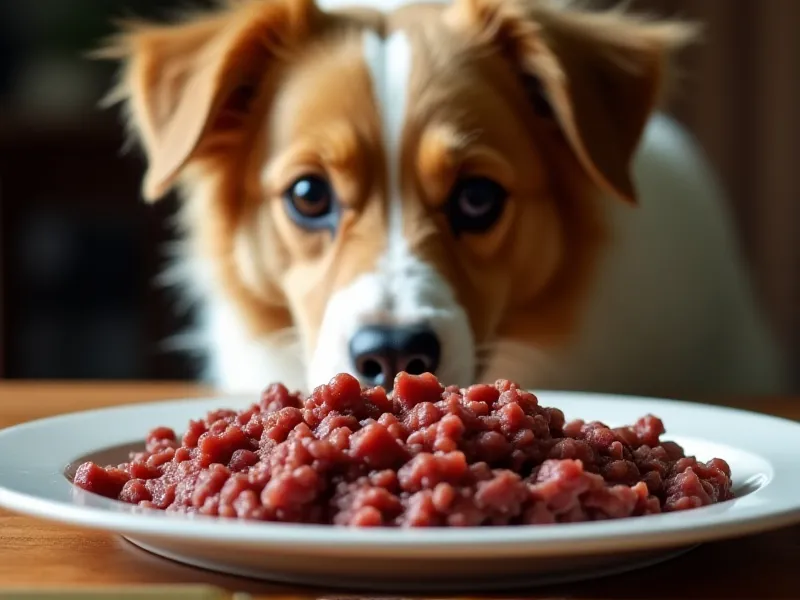
Table of Contents
- Can Dogs Eat Ground Beef? The Short Answer
- Nutritional Benefits of Ground Beef for Dogs
- Potential Risks to Watch Out For
- How Much Ground Beef Can Dogs Safely Eat?
- Healthier Alternatives to Ground Beef
- FAQ About Dogs and Ground Beef
- Conclusion: Enjoy in Moderation
- References
Can Dogs Eat Ground Beef? The Short Answer
Yes, dogs can eat ground beef—but with important caveats. Plain, cooked, lean ground beef is generally safe for most dogs when fed in moderation. It’s a good source of protein and key nutrients, making it a tasty occasional treat or meal topper. However, raw, fatty, or seasoned ground beef can pose serious health risks, so preparation is everything.
To keep your dog safe, always cook ground beef thoroughly, drain excess fat, and avoid adding salt, garlic, onions, or other seasonings. As with any new food, introduce it slowly and monitor your dog for signs of digestive upset.
Nutritional Benefits of Ground Beef for Dogs
When prepared properly, ground beef offers several nutrients that can support your dog’s health. Let’s break down the key benefits:
1. High-Quality Protein
Protein is the building block of your dog’s muscles, skin, coat, and immune system. Ground beef is packed with complete protein, meaning it contains all the essential amino acids dogs need to thrive. For active dogs, working breeds, or puppies (who need extra protein for growth), a small serving of lean ground beef can help meet their daily requirements.
2. Iron for Healthy Blood Cells
Iron is critical for producing hemoglobin, the protein in red blood cells that carries oxygen throughout the body. A deficiency can lead to fatigue, weakness, or anemia. Ground beef (especially lean cuts) is a natural source of heme iron, which is easier for dogs to absorb than non-heme iron from plant foods.
3. Zinc for Immune Function & Skin Health
Zinc is a mineral that supports your dog’s immune system, helps heal wounds, and keeps their skin and coat healthy. A zinc deficiency can cause dry, flaky skin, hair loss, or a weakened immune response. Ground beef provides zinc in a form that’s bioavailable (easy for the body to use).
4. B Vitamins for Energy & Brain Health
Ground beef is rich in B vitamins, including B12, B6, niacin (B3), and riboflavin (B2). These vitamins play a role in converting food into energy, supporting brain function, and maintaining healthy nerve cells. For example, B12 is essential for cognitive health, while niacin helps regulate metabolism.
5. Selenium for Antioxidant Support
Selenium is an antioxidant that protects cells from damage caused by free radicals. It also supports thyroid function and may reduce the risk of certain diseases. While dogs need only small amounts, ground beef contributes to their daily selenium intake.
Note: Ground beef is not a significant source of fiber or potassium (as mentioned in the initial query). For fiber, opt for pumpkin or sweet potato; for potassium, bananas or spinach are better choices. Ground beef’s strengths lie in protein, iron, zinc, and B vitamins.
Potential Risks to Watch Out For
While ground beef can be nutritious, it’s not without risks—especially if prepared incorrectly or overfed. Here’s what to avoid:
1. High Fat Content (Pancreatitis Risk)
One of the biggest dangers of ground beef is its fat content. Most store-bought ground beef ranges from 70% lean (30% fat) to 95% lean (5% fat). Fatty ground beef (e.g., 70/30) can trigger a painful condition called pancreatitis in dogs. The pancreas produces enzymes to digest food; when overwhelmed by fat, it can become inflamed, leading to symptoms like vomiting, diarrhea, abdominal pain, and even organ failure.
Fix: Always choose lean ground beef (90% lean or higher) and drain excess fat after cooking. Blotting with a paper towel can remove additional grease.
2. Toxic Seasonings & Additives
Many human recipes for ground beef include seasonings like garlic, onion, salt, pepper, or chili powder—all of which are harmful to dogs. Onions and garlic (even in powder form) contain thiosulphate, which damages red blood cells and can cause anemia. Excess salt leads to dehydration, electrolyte imbalances, or kidney issues.
Fix: Never feed dogs seasoned ground beef. Stick to plain, unseasoned meat cooked with water or broth (no salt added).
3. Undercooked Meat (Bacterial Infections)
Raw or undercooked ground beef may contain harmful bacteria like Salmonella, E. coli, or Listeria. These can cause gastrointestinal illness in dogs (vomiting, diarrhea, fever) and even spread to humans (zoonotic diseases). Puppies, senior dogs, and those with weakened immune systems are especially at risk.
Fix: Cook ground beef to an internal temperature of 160°F (71°C) to kill pathogens. Use a meat thermometer to ensure it’s fully done.
4. Choking or Blockages (Rare, But Possible)
While ground beef itself is soft, if it’s formed into large, dense chunks (e.g., meatballs or burgers) or mixed with other ingredients (like breadcrumbs), it could pose a choking hazard—especially for small dogs. Additionally, excessive feeding can lead to obesity, which increases the risk of diabetes, joint pain, and heart disease.
Fix: Serve ground beef in small, bite-sized portions. Avoid mixing with foreign ingredients, and limit treats to 10% of your dog’s daily calories.
5. Allergies or Sensitivities
Some dogs are allergic to beef protein, though it’s less common than chicken or grain allergies. Symptoms of a beef allergy include itchy skin, ear infections, or digestive upset. If your dog has a history of food allergies, talk to your vet before introducing ground beef.
How Much Ground Beef Can Dogs Safely Eat?
The key to feeding ground beef is moderation. It should never replace your dog’s balanced commercial diet, as kibble or wet food is formulated to meet all their nutritional needs. Instead, use ground beef as an occasional treat or meal topper.
General Guidelines:
- Treat Size: Ground beef should make up no more than 10% of your dog’s daily calorie intake. The rest should come from their regular food.
- Portion Examples (Cooked, Lean Ground Beef):
- Small dogs (5–20 lbs): 1–2 tablespoons per day
- Medium dogs (20–50 lbs): 1/4 cup per day
- Large dogs (50–100+ lbs): 1/3–1/2 cup per day
- Frequency: Offer ground beef 1–2 times per week at most. Overfeeding leads to weight gain and nutrient imbalances.
Tips for Serving:
- Mix a spoonful into kibble to entice picky eaters.
- Use as a training reward (cook, chop into tiny pieces).
- Freeze small portions in ice cube trays for a cool summer treat.
Healthier Alternatives to Ground Beef
If you’re looking for leaner or more nutrient-dense options, these alternatives to ground beef are great for dogs:
1. Ground Turkey (Leaner & Lower in Fat)
Ground turkey (93% lean or higher) is a fantastic substitute for ground beef. It’s lower in fat, making it gentler on the pancreas, and still rich in protein, iron, and B vitamins. Just like beef, choose plain, unseasoned turkey and cook thoroughly.
2. Chicken Breast (Skinless, Boneless)
Chicken is a staple in many dog foods for a reason: it’s lean, affordable, and easy to digest. Shredded or diced cooked chicken breast is high in protein and low in fat. Avoid chicken skin, which is fatty, and always remove bones (cooked bones splinter and can puncture the digestive tract).
3. Salmon (Cooked, Boneless)
For a boost of omega-3 fatty acids (which support skin, coat, and joint health), try cooked salmon. It’s a great alternative to red meat and helps reduce inflammation. Ensure it’s boneless and fully cooked (no raw salmon, which may contain parasites).
4. Lean Beef Cuts (Sirloin, Round)
If your dog loves beef, lean cuts like sirloin or eye of round are healthier than ground beef. Trim all visible fat, cook thoroughly, and dice into small pieces. These cuts are lower in fat than ground beef and still provide protein, iron, and zinc.
5. Plant-Based Toppers (For Variety)
For dogs who need a break from meat, mix kibble with cooked pumpkin (fiber), sweet potato (vitamins A and C), or green beans (low-calorie crunch). These add nutrients without the fat of ground beef.
FAQ About Dogs and Ground Beef
Q: Can dogs eat raw ground beef?
A: No. Raw ground beef may contain harmful bacteria (Salmonella, E. coli) that cause illness. Always cook it to 160°F (71°C) first.
Q: My dog ate seasoned ground beef—what should I do?
A: If the seasoning included garlic, onion, or large amounts of salt, contact your vet immediately. Symptoms of toxicity (lethargy, vomiting, pale gums) may appear within hours. For mild seasonings (e.g., a little pepper), monitor your dog for 24 hours and call the vet if diarrhea or vomiting occurs.
Q: Is ground beef good for dogs with diarrhea?
A: Plain, cooked, lean ground beef (mixed with white rice) can sometimes help soothe an upset stomach (the “bland diet”). However, if diarrhea is caused by fat or seasonings, ground beef will make it worse. Always consult your vet before using a bland diet.
Q: Can puppies eat ground beef?
A: Yes, in small amounts. Puppies need extra protein for growth, but their digestive systems are sensitive. Start with 1–2 teaspoons of cooked, lean ground beef mixed with puppy food, and watch for loose stools.
Q: How do I know if my dog is allergic to ground beef?
A: Signs of a beef allergy include itchy skin (especially paws, ears, or belly), redness, ear infections, or digestive issues (vomiting, diarrhea). If you suspect an allergy, your vet can perform a food trial to confirm.
Conclusion: Enjoy in Moderation
Ground beef can be a safe, tasty treat for dogs when prepared properly—lean, cooked, and unseasoned. It offers protein, iron, zinc, and B vitamins that support their health, but it’s not a replacement for a balanced diet.
Remember: moderation is key. Stick to small portions, avoid fatty or seasoned meat, and always cook it thoroughly. If you’re unsure whether ground beef is right for your dog (e.g., due to pancreatitis, allergies, or obesity), consult your vet for personalized advice.
After all, sharing a little bite with your pup (when safe!) is just another way to show them love—one delicious, tail-wagging moment at a time.
References
- American Kennel Club (AKC). “Can Dogs Eat Beef? What You Need to Know.” akc.org/expert-advice/nutrition/can-dogs-eat-beef
- American Veterinary Medical Association (AVMA). “Pancreatitis in Dogs.” avma.org/resources/pet-owners/petcare/pancreatitis-dogs
- VCA Hospitals. “Foods Toxic to Dogs.” vcahospitals.com/know-your-pet/foods-toxic-to-dogs
- PetMD. “Beef for Dogs: Benefits, Risks, and Serving Tips.” petmd.com/dog/nutrition/can-dogs-eat-beef
- World Small Animal Veterinary Association (WSAVA). “Global Nutrition Guidelines.” wsava.org/guidelines/global-nutrition-guidelines