· 10 min read
Can Dogs Eat Green Beans? A Pet Parent’s Guide to This Crunchy Snack
It’s a lazy Sunday morning, and you’re prepping a colorful veggie platter for lunch. Snap, snap—you break off a fresh green bean, and before you know it, your dog is at your feet, tail thumping, nose twitching. “Can I share this?” you wonder. Green beans are a staple in human diets—low-calorie, packed with fiber, and oh-so-crunchy. But are they safe for your pup?
If you’ve ever asked, “Can dogs eat green beans?” you’re not alone. Pet parents everywhere want to treat their furry friends to healthy snacks, but it’s hard to know which human foods cross the line into “safe” territory. Let’s dive into the facts: Are green beans a dog-friendly snack? What benefits do they offer? And are there any risks to watch for?
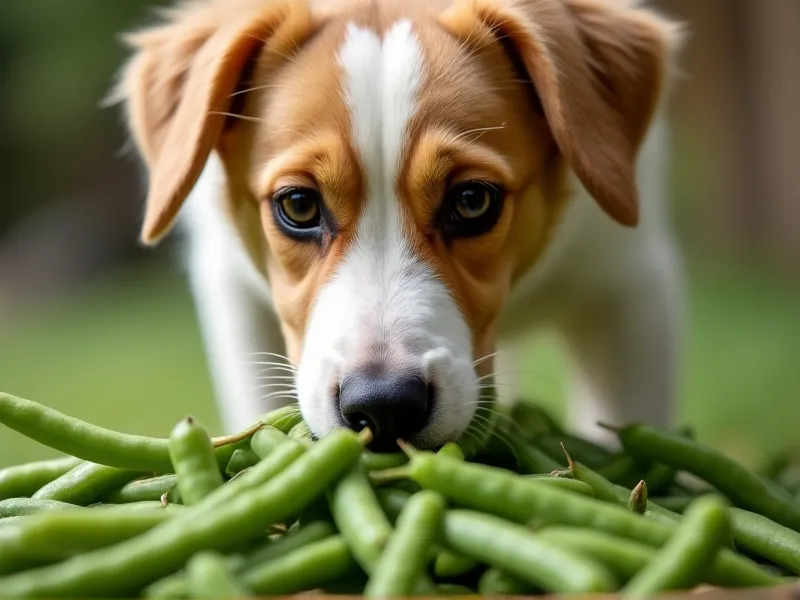
Table of Contents
- Can Dogs Eat Green Beans? The Short Answer
- The Benefits of Green Beans for Dogs: Why They’re More Than Just a Snack
- Potential Risks: What to Watch For When Feeding Green Beans
- How Much Green Beans Can Dogs Eat? Guidelines by Size
- Healthier Alternatives? Or Are Green Beans Already a Top Pick?
- FAQ: Your Green Bean Questions, Answered
- Conclusion: Green Beans as a Tasty, Healthy Treat
Can Dogs Eat Green Beans? The Short Answer
Yes! Dogs can safely eat green beans—but like all human foods, they should be served in moderation and prepared properly. Green beans are non-toxic to dogs (the ASPCA lists them as safe), and they offer a range of nutrients that can support your pup’s health. Whether fresh, frozen, or lightly cooked, green beans can be a low-calorie, high-fiber addition to your dog’s diet—perfect for training treats, meal toppers, or a crunchy snack.
That said, not all green beans are created equal. Canned green beans with added salt, sugar, or seasonings? Skip those. Raw green beans for small dogs? Proceed with caution (choking hazard!). Let’s break down the details to keep your furry friend happy and healthy.
The Benefits of Green Beans for Dogs: Why They’re More Than Just a Snack
Green beans aren’t just “rabbit food”—they’re a nutritional powerhouse for dogs, too. Here’s why they might become your pup’s new favorite treat:
1. Packed with Essential Vitamins & Minerals
Green beans are loaded with nutrients that support your dog’s overall health:
- Vitamin A: Important for eye health, immune function, and healthy skin/coat.
- Vitamin C: An antioxidant that boosts the immune system and helps fight inflammation (dogs make their own vitamin C, but extra can support aging or stressed pups).
- Vitamin K: Supports blood clotting and bone health.
- Potassium: Aids in muscle function, nerve transmission, and heart health.
According to the American Kennel Club (AKC), green beans are also rich in folate (vitamin B9), which helps with cell repair and red blood cell production.
2. High in Fiber (Great for Digestion & Weight Management)
Fiber is a dog’s best friend—and green beans are full of it. Soluble fiber (found in green beans) helps slow digestion, keeping your dog feeling full longer. This makes green beans a fantastic choice for:
- Overweight dogs: Low in calories (about 30 calories per cup, raw) but high in volume, green beans can “fill up” your dog without adding extra pounds. Many vets even recommend adding green beans to kibble for dogs on weight-loss plans (more on that later!).
- Dogs with digestive issues: Fiber supports regular bowel movements and can help firm up loose stools (in moderation—too much can backfire, which we’ll cover in risks).
3. Low in Calories & Fat (Perfect for Training Treats)
Tired of high-calorie training treats that add up fast? Green beans are a game-changer. A single cup of raw green beans has just 31 calories and less than 1 gram of fat, making them ideal for frequent training sessions. Swap out processed treats for a few steamed green bean pieces, and your dog gets a crunchy reward without the extra calories.
4. Hydrating & Crunchy (Dental Benefits?)
Green beans are about 90% water, so they help keep your dog hydrated—great for hot days or dogs who skimp on water. Plus, their crunchiness might help scrape away plaque buildup on teeth (though they’re no substitute for regular dental care like brushing or chew toys). Many dogs love the texture, too—think of it as a dog-friendly “crunch stick”!
Potential Risks: What to Watch For When Feeding Green Beans
While green beans are generally safe, there are a few pitfalls to avoid to keep your pup out of trouble:
1. Canned Green Beans with Added Salt or Sugar
Canned green beans are convenient, but most store-bought versions are packed in saltwater (sodium) to preserve freshness. Too much sodium is dangerous for dogs, leading to dehydration, electrolyte imbalances, or even salt toxicity (symptoms include vomiting, diarrhea, seizures, or excessive thirst).
Some canned green beans also have added sugar, garlic, or onions—all of which are harmful to dogs (onions and garlic are toxic, even in small amounts).
Fix: Opt for fresh or frozen green beans instead. If you must use canned, choose “no salt added” varieties and rinse them thoroughly to remove excess sodium.
2. Choking Hazards (Especially for Small Dogs)
Raw green beans are long and stringy, which can pose a choking risk for small breeds (think Chihuahuas, Yorkies, or Pomeranians) or dogs who gulp their food. Even larger dogs might struggle if they try to swallow a whole raw green bean without chewing.
Fix: Cook green beans until they’re tender (steamed or boiled) and chop them into bite-sized pieces, especially for small dogs. This makes them easier to chew and digest.
3. Stomach Upset from Overfeeding
While fiber is good, too much green beans can cause digestive issues. Dogs aren’t used to large amounts of plant-based fiber, so overindulging might lead to gas, bloating, diarrhea, or constipation.
This is especially true for dogs with sensitive stomachs or conditions like inflammatory bowel disease (IBD). Always introduce new foods slowly!
4. Pesticides on Non-Organic Green Beans
Conventionally grown green beans may have pesticide residues, which can be harmful if ingested regularly. While the risk is low (most pesticides are safe in small amounts), it’s better to err on the side of caution, especially for dogs with allergies or weakened immune systems.
Fix: Choose organic green beans when possible, or wash non-organic ones thoroughly under running water to remove surface pesticides.
How Much Green Beans Can Dogs Eat? Guidelines by Size
The key to feeding green beans safely is moderation. Green beans should never replace your dog’s regular, balanced diet—they’re a treat or supplement, not a meal.
Here’s a general guide based on your dog’s weight (adjust as needed for activity level, age, and health):
| Dog Size | Weight Range | Daily Green Bean Limit (Cooked, Chopped) |
|---|---|---|
| Small | Under 20 lbs | 1–2 tablespoons |
| Medium | 20–50 lbs | 2–3 tablespoons |
| Large | 50–90 lbs | 3–4 tablespoons |
| Extra-Large | Over 90 lbs | 4–5 tablespoons |
Pro Tip: Treats (including green beans) should make up no more than 10% of your dog’s daily calories. For example, a 30-lb dog eating 700 calories a day should have no more than 70 calories from treats—about 2 cups of green beans (but that’s way more than the guideline above, so stick to the tablespoon limits to avoid overdoing it!).
Healthier Alternatives? Or Are Green Beans Already a Top Pick?
Green beans are pretty hard to beat when it comes to low-calorie, high-nutrient dog snacks—but if your pup isn’t a fan, or you want to mix things up, these alternatives are also safe and healthy:
1. Carrots
Crunchy, sweet, and packed with vitamin A, carrots are a classic dog treat. They’re low in calories (about 25 calories per medium carrot) and help clean teeth.
Bonus: Carrots are safe raw (chopped) or cooked, and most dogs love their natural sweetness.
2. Steamed Broccoli
Broccoli is rich in fiber, vitamin C, and antioxidants. Serve it steamed (raw is harder to digest) and in small amounts (too much can cause gas). Avoid the stalks—they’re tough and pose a choking risk.
3. Cucumber
Cucumber is 96% water, making it a hydrating, low-calorie snack (only 16 calories per cup!). It’s also high in vitamin K and potassium. No cooking needed—just slice and serve (remove seeds if large, as they can cause gas).
4. Zucchini
Zucchini is mild-tasting, low in calories, and full of fiber and vitamin A. Grate it into your dog’s food or slice it into “chips” and bake until crisp for a crunchy treat.
But here’s the thing: Green beans often come out on top because they’re more nutrient-dense than cucumbers, less gassy than broccoli, and have a texture most dogs adore. So unless your dog refuses them, green beans are a top-tier choice!
FAQ: Your Green Bean Questions, Answered
Q: Can dogs eat green bean casserole?
A: No. Green bean casserole is loaded with onions, garlic, butter, cream, and sometimes cheese—all of which are bad for dogs. Onions and garlic are toxic, dairy can cause upset stomachs, and the high fat content can lead to pancreatitis. Stick to plain green beans!
Q: Are frozen green beans safe for dogs?
A: Yes! Frozen green beans are a great option—they’re just as nutritious as fresh, and the cold texture can be a fun, refreshing treat on hot days. Thaw and chop them, or serve frozen (if your dog chews slowly).
Q: Can puppies eat green beans?
A: Yes, in small amounts. Puppies have sensitive tummies, so start with 1–2 teaspoons (chopped, cooked) and monitor for digestive issues. Avoid overfeeding, as their bodies are still developing.
Q: My dog is overweight—can green beans help them lose weight?
A: Absolutely! Vets often recommend “green bean diets” for overweight dogs. Mixing 10–20% cooked, unsalted green beans into your dog’s regular kibble helps them feel full without adding extra calories. Always check with your vet first to ensure the plan is safe for your dog’s specific needs.
Q: What if my dog ate too many green beans?
A: If your dog gobbled up a bowl of green beans, don’t panic—they’ll likely just have gas or loose stools. Offer plenty of water and monitor them. If they show signs of severe bloating, vomiting, or lethargy, contact your vet (these could be signs of a blockage, though rare with green beans).
Q: Are raw green beans better than cooked for dogs?
A: Cooked is safer. Cooking softens the fiber, making green beans easier to digest and less of a choking hazard. Raw is okay for large dogs who chew thoroughly, but cooked is the better choice for most pups.
Conclusion: Green Beans as a Tasty, Healthy Treat
So, can dogs eat green beans? Absolutely—when prepared properly and served in moderation. They’re a low-calorie, nutrient-packed snack that can support your dog’s digestion, weight, and overall health. Just remember: skip the canned (unless no-salt-added and rinsed), cook and chop them for small dogs, and don’t overdo it.
As with any new food, it’s always a good idea to check with your vet first—especially if your dog has health issues like diabetes, kidney disease, or digestive disorders. But for most pups, green beans are a safe, delicious way to add some variety to their diet (and make those “please share” eyes worth it!).
So next time you’re snacking on green beans, go ahead and toss your dog a piece (or two). Chances are, they’ll crunch it up with a wagging tail—and you’ll feel good knowing you’re treating them to something healthy.
Sources: American Kennel Club (AKC), ASPCA, PetMD, and the Veterinary Centers of America (VCA).