· 7 min read
Can Dogs Eat Green Tomatoes? What Pet Parents Need to Know
It’s a crisp autumn afternoon, and you’re harvesting the last of your garden’s bounty. A few unripe green tomatoes tumble into your basket—small, firm, and bright green. Beside you, your dog, Luna, sits patiently, nose twitching, tail thumping the ground. “Want a taste?” you joke, holding one out. But then you pause: Are green tomatoes safe for dogs? After all, she gobbles up ripe tomatoes like they’re treats, but unripe ones? You’ve heard mixed things about “human foods” and pets, and you don’t want to take chances.
If this scenario sounds familiar, you’re not alone. Many pet parents wonder about sharing garden veggies with their furry friends, especially when those veggies are fresh from the vine. In this post, we’ll dive into the question: Can dogs eat green tomatoes? We’ll break down the risks, potential benefits (if any), and what you should do if your dog sneaks a bite. Let’s keep Luna—and all our pups—safe and healthy!
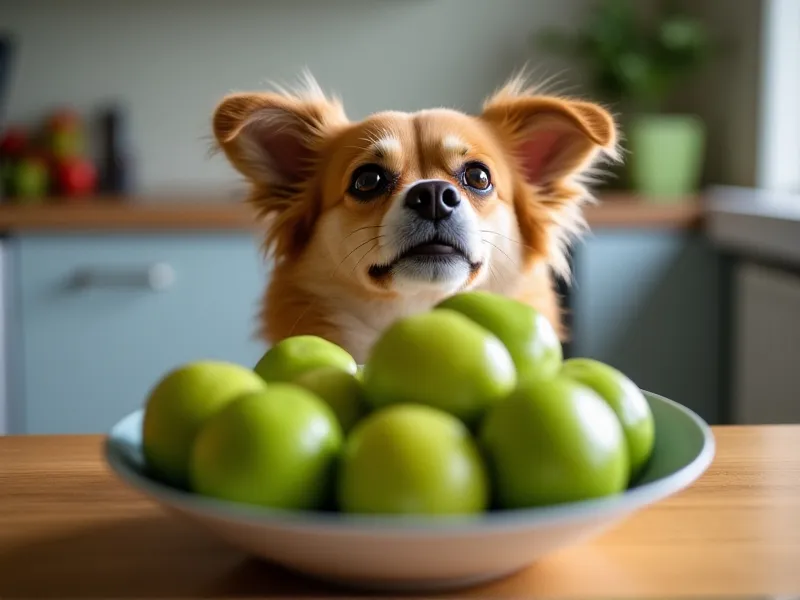
Table of Contents
- Can Dogs Eat Green Tomatoes? The Short Answer
- The Nutritional Profile: Green vs. Ripe Tomatoes
- The Risks of Green Tomatoes for Dogs
- How Much Green Tomato Is “Safe” for Dogs?
- Healthier Alternatives to Green Tomatoes
- FAQ: Your Green Tomato Questions Answered
- Conclusion: Prioritize Safety, Always
Can Dogs Eat Green Tomatoes? The Short Answer
No, dogs should not eat green tomatoes.
While ripe, red tomatoes are generally safe for dogs in moderation (more on that later!), unripe green tomatoes pose a significant risk. The culprit? A natural toxin called solanine, found in the nightshade family (which includes tomatoes, potatoes, and eggplants). Solanine is the plant’s defense mechanism against pests, but it’s toxic to dogs (and humans, in large amounts).
Green tomatoes contain much higher levels of solanine than their ripe counterparts. As tomatoes ripen, their solanine levels drop dramatically, making red tomatoes a low-risk, occasional treat. But unripe green tomatoes? They’re a no-go.
The Nutritional Profile: Green vs. Ripe Tomatoes
To understand why green tomatoes are risky, let’s first look at their nutrition—and how it differs from ripe tomatoes.
Ripe Tomatoes: A Nutrient-Packed Treat (In Moderation)
Ripe, red tomatoes are loaded with vitamins and minerals that can benefit dogs:
- Vitamin A: Supports eye health and immune function.
- Vitamin C: An antioxidant that boosts immunity and collagen production.
- Potassium: Helps regulate blood pressure and muscle function.
- Fiber: Aids digestion and keeps your dog feeling full.
- Lycopene: An antioxidant linked to reduced inflammation and heart health (though dogs may not absorb it as well as humans).
In small amounts (e.g., a slice or two, plain and seedless), ripe tomatoes can be a healthy addition to your dog’s diet.
Green Tomatoes: Less Nutrition, More Toxin
Green tomatoes do contain some of these nutrients, but in lower amounts than ripe ones. For example:
- They have less vitamin C and lycopene (ripening increases these).
- Their fiber content is similar, but the tough skin and unripe texture can be harder to digest.
The bigger issue? Solanine. Green tomatoes, along with tomato leaves, stems, and vines, have high solanine levels. Even a small green tomato can contain enough solanine to cause problems for small dogs, puppies, or dogs with sensitive stomachs.
The Risks of Green Tomatoes for Dogs
Solanine toxicity is the primary concern with green tomatoes, but there are other risks too. Let’s break them down:
1. Solanine Poisoning: Symptoms to Watch For
Solanine affects the nervous system and gastrointestinal tract. Symptoms of solanine poisoning in dogs may include:
- Gastrointestinal upset: Vomiting, diarrhea, or excessive drooling.
- Neurological issues: Lethargy, weakness, tremors, difficulty walking, or seizures (in severe cases).
- Abdominal pain: Your dog may whine, pant, or avoid touch around the belly.
These symptoms can appear within 1-24 hours of ingestion, depending on how much solanine was eaten. In rare, severe cases, solanine poisoning can lead to coma or even death, though this is more common with large amounts or very small dogs.
2. Digestive Upset (Even Without Toxicity)
Even if your dog doesn’t ingest enough solanine to cause poisoning, green tomatoes can still upset their stomach. The unripe fruit is acidic and tough, which may lead to:
- Stomachaches
- Gas
- Diarrhea (from the fiber or acidity)
3. Choking Hazard
Green tomatoes are firmer and less juicy than ripe ones. If given whole or in large chunks, they could pose a choking risk, especially for small dogs or dogs who gulp their food.
4. Tomato Plants Are Also Toxic
Pro tip: It’s not just green tomatoes! The entire tomato plant—leaves, stems, and vines—contains even higher levels of solanine than the fruit. Keep your dog away from tomato plants in the garden to avoid accidental ingestion.
How Much Green Tomato Is “Safe” for Dogs?
The short answer: None.
There’s no “safe” amount of green tomato to feed your dog intentionally. Solanine toxicity depends on:
- Your dog’s size (small dogs are more vulnerable).
- The amount eaten (a whole green tomato is riskier than a tiny nibble).
- Individual sensitivity (some dogs react to smaller amounts than others).
If your dog accidentally snatches a small bite of green tomato (e.g., a fallen fruit from the garden), monitor them closely for 24 hours. Most dogs will be fine with a tiny nibble, but contact your vet immediately if you notice any symptoms of poisoning (vomiting, tremors, etc.).
Healthier Alternatives to Green Tomatoes
If you want to share garden veggies with your dog, skip the green tomatoes and opt for these safe, nutrient-dense alternatives:
1. Ripe Tomatoes (Seedless and Plain)
Stick to ripe, red tomatoes! Remove the seeds (they can cause minor digestive upset in some dogs) and skin (optional, but easier to digest), and offer a small slice as a treat. Avoid adding salt, butter, or seasonings—plain is best.
2. Carrots
Crunchy, low-calorie, and packed with vitamin A, carrots are a favorite for dogs. They’re great for dental health (chewing helps clean teeth!) and safe for all ages.
3. Cucumber
Cool, hydrating, and low in calories, cucumber is perfect for hot days. Remove the seeds if you’re worried about digestion, and slice into bite-sized pieces.
4. Green Beans
Steamed or raw (and cut into small pieces), green beans are high in fiber and vitamins. They’re a great low-carb alternative to treats!
5. Sweet Potatoes
Baked, mashed, or dehydrated into chews, sweet potatoes are rich in fiber, vitamin A, and antioxidants. Just avoid adding sugar or spices.
FAQ: Your Green Tomato Questions Answered
Q: My dog ate a green tomato! What should I do?
A: Stay calm! First, estimate how much they ate (e.g., a whole tomato vs. a small bite) and your dog’s size. If it was a tiny nibble and your dog seems fine, monitor them for 24 hours for symptoms (vomiting, lethargy, etc.). If they ate a large amount, or if symptoms appear, call your vet or an emergency animal hospital immediately.
Q: Can puppies eat green tomatoes?
A: No. Puppies have smaller bodies and developing immune systems, making them more sensitive to toxins like solanine. Even a small green tomato could cause severe issues for a puppy.
Q: Are cooked green tomatoes safer?
A: Cooking may reduce solanine levels slightly, but not enough to make green tomatoes safe. Boiling or baking can lower solanine by 20-40%, but the remaining toxin is still risky. It’s better to avoid cooked green tomatoes too.
Q: What if my dog ate tomato leaves or stems?
A: Tomato leaves and stems have higher solanine levels than green tomatoes. Contact your vet right away, even if your dog only nibbled a leaf—these parts are more toxic!
Q: Can dogs eat other unripe nightshades, like green potatoes?
A: No. Green potatoes, eggplants, and peppers also contain solanine and should be kept away from dogs. Stick to ripe, dog-safe veggies instead!
Conclusion: Prioritize Safety, Always
Green tomatoes might look tempting, but they’re not worth the risk for your dog. The solanine in unripe fruit can cause serious health issues, from stomach upset to neurological problems. Instead, share ripe tomatoes (in moderation) or other safe veggies like carrots, cucumbers, or green beans.
Remember: Every dog is different! If you’re unsure about a new food, always check with your vet first—especially if your dog has allergies, health conditions, or is on a special diet.
Your pup’s health is worth the extra caution. Happy snacking (on the right foods)!
References
- American Society for the Prevention of Cruelty to Animals (ASPCA). Toxic and Non-Toxic Plants: Tomato. aspca.org/pet-care/animal-poison-control/toxic-and-non-toxic-plants/tomato
- PetMD. Can Dogs Eat Tomatoes? petmd.com/dog/nutrition/can-dogs-eat-tomatoes
- American Kennel Club (AKC). Can Dogs Eat Tomatoes? Are Tomatoes Safe for Dogs? akc.org/expert-advice/nutrition/can-dogs-eat-tomatoes/
- Veterinary Medicine and Science. Solanine Toxicity in Dogs: A Case Report. ncbi.nlm.nih.gov/pmc/articles/PMC6146364/