· 8 min read
Can Dogs Eat Green Olives? A Pet Parent’s Guide to Safe Snacking
It’s a lazy Sunday afternoon, and you’re unwinding with a charcuterie board—crackers, cheese, cured meats, and a small bowl of plump, briny green olives. Out of the corner of your eye, you notice your dog, Max, staring up at you with those irresistible “please share” eyes. You pause, olive in hand: Can dogs eat green olives?
If you’ve ever found yourself asking this question, you’re not alone. As pet parents, we’re hyper-vigilant about what we feed our furry friends, and human snacks often land at the top of the “is this safe?” list. Green olives, with their salty, tangy flavor, are a popular treat for us—but are they okay for our pups?
In this guide, we’ll break down everything you need to know: the short answer, potential benefits, hidden risks, how much (if any) to feed, and even healthier alternatives. Let’s dive in!
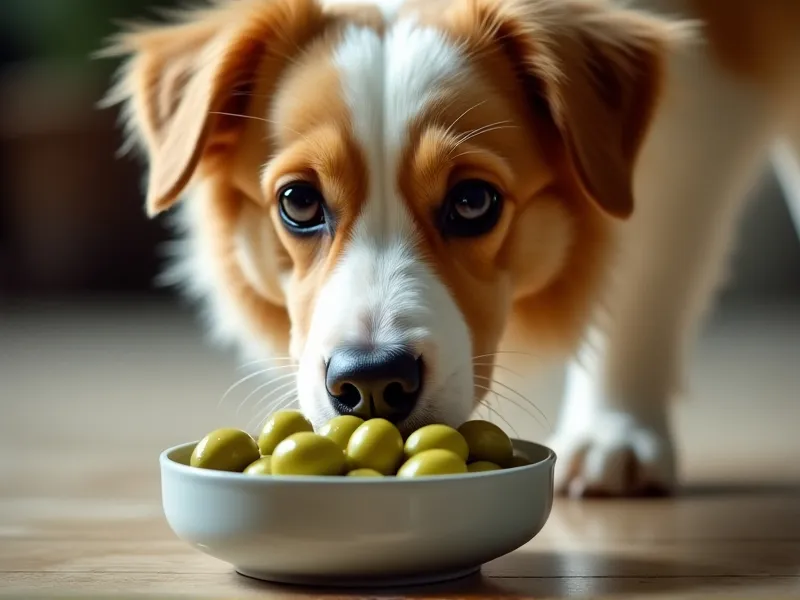
Table of Contents
- Can Dogs Eat Green Olives? The Short Answer
- Nutritional Breakdown: What’s in a Green Olive?
- Potential Benefits of Green Olives for Dogs
- Risks to Watch Out For
- How Much (If Any) is Safe?
- Healthier Alternatives to Green Olives
- FAQ: Your Green Olive Questions Answered
- Conclusion: Moderation is Key
Can Dogs Eat Green Olives? The Short Answer
Yes, dogs can eat green olives—but only in very specific, limited circumstances. Plain, pitted green olives (with no added salt, seasonings, or oils) are not toxic to dogs. However, they come with significant risks, primarily due to their high sodium content and potential choking hazards.
In other words: A single pitted, unsalted green olive as an occasional treat is unlikely to harm your dog. But making them a regular snack or feeding them olives with pits, salt, or additives? That’s a big no-no.
Nutritional Breakdown: What’s in a Green Olive?
To understand why green olives are a “proceed with caution” food, let’s start with their nutrition. A typical medium green olive (about 4 grams) contains:
- Calories: ~10
- Fat: ~1 gram (mostly monounsaturated, the “healthy” kind)
- Sodium: ~30-60 mg (varies by brand and brining method)
- Fiber: ~0.1 grams
- Potassium: ~10 mg
- Vitamin E: ~0.1 mg
- Trace amounts of iron, calcium, and vitamin K
The key takeaway here? Sodium dominates the nutritional profile. Even a small olive packs a salty punch, and that’s where most of the risks lie.
Potential Benefits of Green Olives for Dogs
While green olives aren’t a nutritional powerhouse for dogs, they do offer a few minor upsides—if fed correctly. Here’s what to know:
1. Fiber for Digestive Health
Green olives contain a tiny amount of dietary fiber, which helps support healthy digestion by promoting regular bowel movements. For dogs with occasional constipation, a small, fiber-rich treat might offer mild relief—but olives aren’t a substitute for a balanced diet or vet-recommended fiber supplements.
2. Potassium for Heart and Muscle Function
Potassium is an essential mineral that helps regulate heart rhythm, muscle contractions, and fluid balance. Green olives have a small amount of potassium, which (in moderation) supports your dog’s cardiovascular and muscular health. Again, this is minimal—your dog’s regular food likely provides all the potassium they need.
3. Vitamin E: A Natural Antioxidant
Vitamin E is a powerful antioxidant that protects cells from damage caused by free radicals. It also supports skin and coat health. While green olives have only a trace of vitamin E, every little bit counts—though, again, this isn’t a reason to feed olives regularly.
Risks to Watch Out For
The benefits of green olives are minor, but the risks are very real. Here’s what makes olives a tricky snack:
1. High Sodium: A Hidden Danger
Sodium is the biggest concern with green olives. Dogs have much lower sodium requirements than humans—adult dogs need only about 100 mg of sodium per 1,000 calories of food (source: VCA Hospitals). A single olive can contain 30-60 mg of sodium, and if your dog eats multiple olives (or olives packed in salty brine), they could quickly exceed safe limits.
Too much sodium can lead to:
- Dehydration (excessive thirst, dry gums)
- Electrolyte imbalances
- Salt toxicity (rare but serious), which causes vomiting, diarrhea, tremors, seizures, or even death in severe cases
- Long-term kidney strain (since the kidneys filter excess salt)
2. Pits: A Choking and Blockage Hazard
Olive pits are hard, small, and round—perfect for getting stuck in your dog’s throat, esophagus, or intestines. Even if your dog swallows a pit whole, it could cause an intestinal blockage, which requires emergency surgery. Always, always remove pits before offering an olive to your dog.
3. Added Ingredients: Garlic, Onion, or Seasonings
Many store-bought olives are flavored with garlic, onion, herbs, or spices. Garlic and onion are toxic to dogs (they damage red blood cells, leading to anemia). Even small amounts can cause illness, so flavored olives are a strict no-go.
4. Stomach Upset from Fat or Fiber
While green olives are low in fat, eating too many can still upset your dog’s stomach. The fat and fiber can cause diarrhea, vomiting, or gas—especially in dogs with sensitive tummies or pancreatitis.
5. Brine: Extra Salt and Irritation
Olives are often packed in brine (saltwater) or vinegar. Brine is loaded with extra sodium, and vinegar can irritate some dogs’ stomachs, leading to nausea or acid reflux. Never let your dog lap up olive brine!
How Much (If Any) is Safe?
If you still want to share a green olive with your dog occasionally, follow these strict guidelines:
Step 1: Choose the Right Olives
- Plain, unsalted, and pitted. Look for olives labeled “no salt added” or “low sodium.” Avoid any with garlic, onion, herbs, or oils.
- Check the ingredients list. If it has anything other than olives and water, skip it.
Step 2: Limit Portions Based on Size
- Small dogs (under 20 lbs): 1-2 olives, once in a while (e.g., once a month).
- Medium dogs (20-50 lbs): 2-3 olives, occasionally.
- Large dogs (50+ lbs): 3-4 olives, at most, and very rarely.
Step 3: Monitor for Reactions
After feeding an olive, watch for signs of stomach upset (vomiting, diarrhea), excessive thirst, or restlessness. If you notice any of these, stop feeding olives and consult your vet.
Remember: Green olives should never be a regular part of your dog’s diet. They’re a “sometimes” treat, not a daily snack.
Healthier Alternatives to Green Olives
If you want to spoil your dog with a human-food snack, there are plenty of safer options that offer more nutrition and fewer risks. Here are our top picks:
1. Blueberries
Low in calories, high in antioxidants (like vitamin C), and naturally sweet. They’re great for training treats or a refreshing summer snack.
2. Cucumber
96% water, so they’re hydrating and low in calories. Cucumber slices are perfect for dogs watching their weight.
3. Apple Slices (No Seeds/Core)
Crunchy, fiber-rich, and packed with vitamins A and C. Just remove the seeds (they contain trace amounts of cyanide) and core first.
4. Carrots
High in beta-carotene (which supports eye health) and fiber. Raw or cooked, carrots make a great chew for teething puppies.
5. Green Beans
Low in calories, high in fiber and vitamins. Steamed green beans are a favorite for dogs on weight-loss plans.
FAQ: Your Green Olive Questions Answered
Q: What if my dog ate an olive pit?
A: If your dog swallows an olive pit, monitor them closely for 24-48 hours. Signs of a blockage include vomiting, loss of appetite, lethargy, or constipation. If you notice any of these, contact your vet immediately—intestinal blockages are life-threatening.
Q: Can dogs eat black olives instead?
A: Black olives have similar risks to green olives: high sodium, pits, and potential additives. The only difference is ripeness (black olives are fully ripe, green are unripe). Stick to the same guidelines: plain, pitted, and very occasional.
Q: Is olive oil safe for dogs?
A: Yes! In small amounts, olive oil can support skin and coat health (it’s rich in omega-3 fatty acids). Add 1-2 teaspoons to your dog’s food a few times a week (check with your vet first, especially for dogs with pancreatitis).
Q: My dog ate a whole jar of olives—what should I do?
A: This is an emergency. A jar of olives contains dangerous levels of sodium. Call your vet or an animal poison control hotline (e.g., ASPCA Animal Poison Control at (888) 426-4435) immediately. Signs of salt toxicity include vomiting, diarrhea, tremors, seizures, or excessive thirst.
Q: Are stuffed olives safe?
A: No. Stuffed olives often contain cheese, garlic, peppers, or other fillings that are high in fat, salt, or toxic ingredients. Avoid them entirely.
Conclusion: Moderation is Key
So, can dogs eat green olives? The answer is a cautious “yes”—but only plain, pitted, unsalted olives, and only as an occasional treat. The risks (high sodium, pits, additives) far outweigh the minor benefits, so they shouldn’t be a regular part of your dog’s diet.
When in doubt, opt for safer, more nutritious snacks like blueberries, carrots, or cucumber. And if you ever have questions about a human food, always consult your vet first—they know your dog’s health history and can give personalized advice.
At the end of the day, the best treat for your dog is your love (and maybe a belly rub). But if you do share an olive? Just make sure it’s pitted, plain, and very occasional.
Your pup will thank you—even if they give you the side-eye for not sharing more.
Sources:
- American Society for the Prevention of Cruelty to Animals (ASPCA). Toxic and Non-Toxic Plants and Foods. aspca.org
- VCA Hospitals. Nutrition Basics for Dogs. vcahospitals.com
- PetMD. Salt Poisoning in Dogs. petmd.com
- American Kennel Club (AKC). Human Foods Dogs Can and Can’t Eat. akc.org