· 10 min read
Can Dogs Eat Green Beans? A Pet Parent’s Guide to This Crunchy Veggie Treat
Picture this: You’re snacking on a handful of fresh, crisp green beans—crunchy, slightly sweet, and packed with that satisfying “healthy” vibe. Out of the corner of your eye, you notice your dog, tail thumping, nose twitching, staring at you like you’re holding the key to the universe. “Can I have some?” their big, soulful eyes seem to beg.
It’s a moment every pet parent knows well: the urge to share our favorite foods with our furry companions. And with green beans being a staple in many human diets—lauded for their low calories, high fiber, and nutrient density—it’s natural to wonder if they’re safe for dogs, too. After all, more and more pet parents are seeking fresh, whole-food alternatives to commercial treats, and veggies like green beans seem like a promising option.
So, can dogs eat green beans? The short answer is yes—in moderation, green beans can be a fantastic addition to your dog’s diet. But as with any human food, there’s a catch: how you prepare them, how much you feed, and which green beans you choose matters. Let’s dive into everything you need to know to safely share this veggie with your pup.
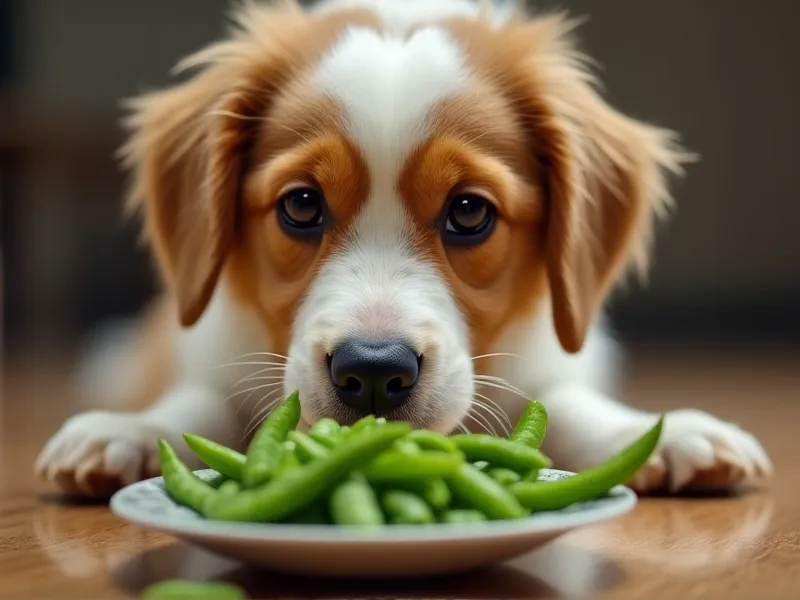
Table of Contents
- Can Dogs Eat Green Beans? The Short Answer
- The Nutritional Benefits of Green Beans for Dogs
- Potential Risks of Feeding Green Beans to Dogs
- How Much Green Beans Can Dogs Eat? Guidelines by Size and Age
- Healthier Alternatives to Green Beans (If Needed)
- Frequently Asked Questions (FAQ)
- Conclusion: Green Beans as a Tasty, Healthy Treat—In Moderation
- References
Can Dogs Eat Green Beans? The Short Answer
Yes, dogs can eat green beans—but only plain, unseasoned green beans, prepared safely, and in moderation. When served correctly, green beans are a nutrient-dense, low-calorie treat that can support your dog’s digestion, weight, and overall health. They’re not toxic to dogs, and many pups even love their crunchy texture (raw or cooked!).
However, not all green beans are created equal. Canned green beans with added salt, sugar, or sauces are off-limits, and overfeeding can lead to digestive upset. Let’s break down the details to ensure you’re feeding green beans the right way.
The Nutritional Benefits of Green Beans for Dogs
Green beans aren’t just a “filler” veggie—they’re packed with nutrients that can boost your dog’s well-being. Here’s why they’re worth considering as an occasional treat:
Fiber: A Digestive Superstar
Fiber is essential for a healthy gut, and green beans are loaded with it—about 2.7 grams of fiber per cup (chopped, raw). For dogs, fiber helps:
- Regulate bowel movements: Prevents constipation by adding bulk to stool, or soothes diarrhea by absorbing excess water in the gut.
- Support satiety: High-fiber foods help dogs feel full longer, which is great for pups struggling with weight management (more on that below!).
- Feed beneficial gut bacteria: Soluble fiber acts as a prebiotic, nourishing the “good” bacteria in your dog’s gut, which supports immune function and overall health [1].
Vitamins & Minerals: Supporting Overall Health
Green beans are a treasure trove of vitamins and minerals that dogs need to thrive:
- Vitamin A: Critical for eye health, skin, and coat. It supports vision (especially in low light) and helps maintain a shiny, healthy coat [2].
- Vitamin C: An antioxidant that boosts the immune system, fights free radicals, and supports collagen production (important for joints and skin). While dogs can produce their own vitamin C, supplementation (via veggies like green beans) can help during times of stress or illness [3].
- Vitamin K: Essential for blood clotting and bone health. It helps bones absorb calcium, keeping them strong and reducing the risk of fractures [4].
- Potassium: Regulates fluid balance, muscle function, and heart health. A potassium deficiency can lead to weakness or irregular heartbeats, so green beans are a great natural source [5].
- Iron: Supports red blood cell production, ensuring oxygen is transported efficiently throughout the body.
Low-Calorie, Low-Fat: Ideal for Weight Management
One of the biggest perks of green beans is their low calorie and low-fat content. A cup of raw, chopped green beans contains only about 31 calories and 0.2 grams of fat [6]. Compare that to a cup of commercial dog treats, which can pack 300+ calories, and it’s easy to see why green beans are a favorite among vets for weight-loss plans.
If your dog is overweight or prone to begging, green beans can be a “volume” treat—they fill your pup up without adding excess calories. For example, mixing a few tablespoons of green beans into your dog’s regular food can help them feel satisfied with smaller portions, supporting gradual weight loss [7].
Potential Risks of Feeding Green Beans to Dogs
While green beans are generally safe, there are a few risks to watch out for. Being aware of these will help you keep your dog happy and healthy:
Added Sugars or Seasonings: Hidden Dangers
Never feed your dog green beans that are seasoned, canned in sauce, or sweetened. Many canned green beans are packed in saltwater (sodium) to preserve them, and even “low-sodium” options can have enough salt to harm dogs (excess sodium leads to dehydration, kidney strain, or salt toxicity).
Similarly, green beans cooked with butter, garlic, onions, or spices are toxic. Garlic and onions contain thiosulfate, which damages dogs’ red blood cells and can cause anemia [8]. Even a small amount of these seasonings can be dangerous, so always opt for plain, unseasoned green beans.
Best options: Fresh green beans (washed thoroughly), frozen green beans (no added salt), or canned green beans rinsed thoroughly to remove excess sodium (though fresh is preferred).
Overfeeding: Stomach Upset and Digestive Issues
Green beans are high in fiber, which is great—until you overdo it. Too much fiber can overwhelm your dog’s digestive system, leading to:
- Gas and bloating
- Diarrhea or loose stools
- Stomach cramps
This is especially true for dogs not used to high-fiber foods. If you’re introducing green beans for the first time, start with a tiny portion (1-2 teaspoons for small dogs) and monitor their stool and behavior for 24 hours. If all goes well, gradually increase the amount [9].
Choking Hazards: Size and Preparation Matter
Whole green beans (especially raw) can pose a choking risk, especially for small dogs, puppies, or senior dogs with dental issues. A long, uncut green bean could get stuck in your dog’s throat, leading to choking or intestinal blockage.
To avoid this:
- Chop green beans into bite-sized pieces (about ½ inch long for small dogs, 1 inch for medium/large dogs).
- Steam or blanch green beans to soften them (optional but helpful for puppies, seniors, or dogs with sensitive teeth).
- Avoid feeding large, whole green beans to brachycephalic breeds (like Bulldogs or Pugs), who have shorter airways and are more prone to choking.
How Much Green Beans Can Dogs Eat? Guidelines by Size and Age
The golden rule for any treat: Green beans should make up no more than 10% of your dog’s daily calorie intake. This ensures they don’t displace essential nutrients from their regular, balanced dog food.
Here’s a general guideline based on your dog’s size:
| Dog Size | Daily Green Bean Limit (Raw or Cooked) |
|---|---|
| Small (≤ 20 lbs) | 1–2 tablespoons |
| Medium (20–50 lbs) | 2–3 tablespoons |
| Large (50–100 lbs) | 3–4 tablespoons |
| Giant (> 100 lbs) | 4–5 tablespoons |
Puppies: Stick to the lower end of the small/medium guidelines (e.g., 1 tablespoon for a 10-week-old Labrador puppy). Their digestive systems are still developing, so smaller portions reduce the risk of upset.
Senior dogs: Same guidelines as adults, but consider softening green beans by steaming if they have dental issues or trouble chewing.
Active dogs: If your dog is highly active (e.g., a working dog or agility pup), you can slightly increase the portion (by 1 tablespoon) since they burn more calories.
Healthier Alternatives to Green Beans (If Needed)
If your dog isn’t a fan of green beans, or you want to mix up their treats, these veggies offer similar benefits:
- Carrots: Crunchy, low-calorie, and high in beta-carotene (vitamin A). Great for dental health—chewing raw carrots helps scrape plaque!
- Cucumber: Hydrating, low-calorie, and high in vitamin K. Perfect for hot days (frozen cucumber slices make a refreshing treat).
- Zucchini: Mild-flavored, high in fiber and vitamin C. Shred or chop for easy eating.
- Broccoli (stems only): High in fiber and vitamin C, but avoid florets (they can be a choking hazard and cause gas in large amounts).
- Sweet potatoes (cooked): Rich in fiber and beta-carotene, but higher in carbs—best for active dogs or in small portions for weight management.
Frequently Asked Questions (FAQ)
Q: Can dogs eat raw green beans?
A: Yes! Raw green beans are safe (and crunchy, which many dogs love). Just wash them thoroughly and chop into small pieces to avoid choking.
Q: Are frozen green beans safe for dogs?
A: Yes, as long as they’re plain (no added salt or seasonings). Frozen green beans can be served thawed or frozen (frozen makes a fun, cold treat for summer!).
Q: Can dogs eat green bean casserole?
A: No! Green bean casserole typically contains onions, garlic, cream of mushroom soup (high in sodium), or fried onions—all of which are toxic or harmful to dogs.
Q: Are green beans good for dogs with diabetes?
A: Yes, in moderation. Green beans have a low glycemic index (GI), meaning they don’t spike blood sugar levels. However, always consult your vet before adding new foods to a diabetic dog’s diet [10].
Q: My dog ate too many green beans—what should I do?
A: Monitor for symptoms like vomiting, diarrhea, or lethargy. If mild, withhold food for 12 hours and offer small sips of water. If severe (e.g., persistent vomiting, bloating), contact your vet immediately.
Conclusion: Green Beans as a Tasty, Healthy Treat—In Moderation
Green beans are more than just a human snack—they’re a nutrient-packed, low-calorie treat that can support your dog’s digestion, weight, and overall health. When prepared plain, chopped into safe sizes, and fed in moderation, they’re a wonderful way to add variety to your pup’s diet.
Remember: Every dog is different. What works for one may not work for another, especially dogs with health conditions like kidney disease (high potassium in green beans may be a concern) or digestive sensitivities. When in doubt, always consult your vet before introducing new foods.
So, the next time your dog gives you those puppy eyes while you’re snacking on green beans, feel confident tossing them a small, plain piece. It’s a simple way to share a healthy moment—and make their tail wag a little harder.
References
[1] American Kennel Club (AKC). “Fiber for Dogs: Why It’s Important and How to Add It to Their Diet.” 2023.
[2] PetMD. “Vitamin A for Dogs: Benefits, Deficiency, and Sources.” 2022.
[3] VCA Hospitals. “Vitamin C for Dogs.” 2023.
[4] National Research Council. Nutrient Requirements of Dogs and Cats. National Academies Press, 2006.
[5] Cornell University College of Veterinary Medicine. “Potassium in Dog Nutrition.” 2021.
[6] USDA FoodData Central. “Green beans, raw.” 2023.
[7] Cummings Veterinary Medical Center. “Weight Management for Dogs.” Tufts University, 2022.
[8] ASPCA Animal Poison Control. “Onions, Garlic, Chives, and Leeks.” 2023.
[9] International Veterinary Information Service (IVIS). “Dietary Fiber in Canine Nutrition.” 2021.
[10] American College of Veterinary Nutrition (ACVN). “Nutrition for Diabetic Dogs.” 2022.
Disclaimer: This article is for informational purposes only and not a substitute for professional veterinary advice. Always consult your vet before making changes to your dog’s diet.