· 7 min read
Can Dogs Eat Grease from Ground Beef? What Pet Parents Need to Know
It’s a familiar scene: You’re cooking up a batch of juicy burgers or browning ground beef for tacos, and the aroma fills the kitchen. As you tilt the pan to drain the grease, your dog appears out of nowhere—tail thumping, nose twitching, those big eyes begging for a taste. “Just a little grease,” you think. “Could it really hurt?”
If you’ve ever found yourself asking that question, you’re not alone. Many pet parents wonder whether table scraps like beef grease are safe for their furry friends. After all, dogs are natural scavengers, and that glistening fat sure smells delicious. But when it comes to your pup’s health, “tasty” doesn’t always equal “safe.”
In this post, we’ll dive into the details: Can dogs eat grease from ground beef? What are the risks? Are there any benefits? And if it’s not safe, what healthier alternatives can you offer instead? Let’s get started.
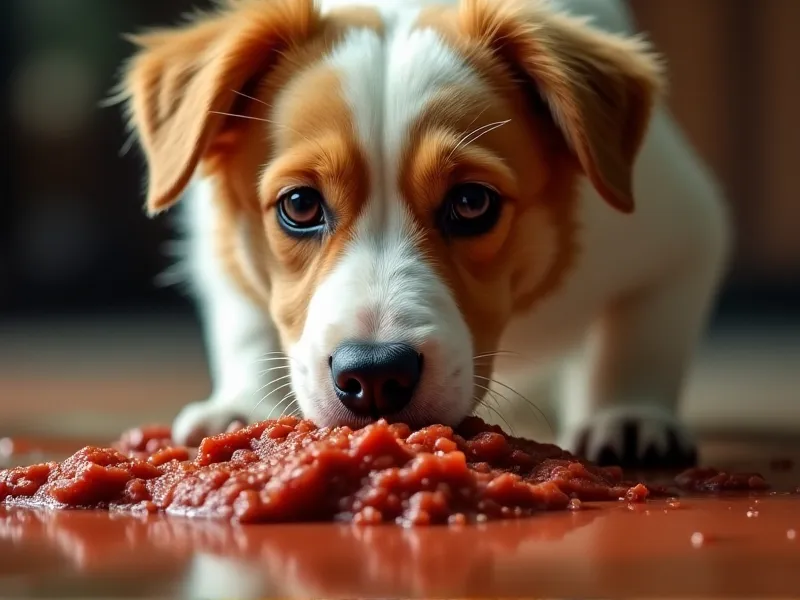
Table of Contents
- Can Dogs Eat Grease from Ground Beef? The Short Answer
- The Risks of Feeding Grease to Dogs: Why It’s More Dangerous Than You Think
- Pancreatitis: A Life-Threatening Risk
- Stomach Upset and Digestive Distress
- Obesity and Long-Term Health Issues
- Choking and Blockage Hazards
- Are There Any Benefits to Feeding Grease to Dogs?
- How Much Grease Is “Safe” for Dogs? Spoiler: Probably None
- Healthier Alternatives to Grease: Treats Your Dog Will Love
- FAQ: What to Do If Your Dog Ate Grease
- Conclusion: Prioritize Your Pup’s Health Over Those Puppy Eyes
Can Dogs Eat Grease from Ground Beef? The Short Answer
No, dogs should not eat grease from ground beef—even in small amounts.
While a tiny lick of grease is unlikely to kill your dog, it’s far from a healthy choice. Grease is high in fat, which can lead to serious health problems like pancreatitis, stomach upset, and obesity. In some cases, it may even cause choking or intestinal blockages.
To put it simply: That bowl of leftover grease might seem like a “treat,” but it’s more like a ticking time bomb for your pup’s digestive system. Let’s break down why.
The Risks of Feeding Grease to Dogs: Why It’s More Dangerous Than You Think
Grease from ground beef is mostly fat—often saturated fat—and lacks the nutrients dogs need to thrive. Here’s why it’s risky:
1. Pancreatitis: A Life-Threatening Condition
The biggest danger of feeding grease to dogs is pancreatitis—inflammation of the pancreas. The pancreas produces enzymes that help digest food, but when a dog eats a high-fat meal (like grease), the pancreas goes into overdrive, releasing enzymes prematurely. These enzymes attack the pancreas itself, causing severe pain, swelling, and even tissue damage.
Pancreatitis is not just uncomfortable—it can be fatal. Symptoms include:
- Vomiting (sometimes with bile)
- Diarrhea (may be bloody)
- Abdominal pain (your dog may hunch over or refuse to be touched)
- Lethargy or weakness
- Loss of appetite
According to the American College of Veterinary Nutrition (ACVN), fatty foods are one of the leading causes of pancreatitis in dogs. Even small amounts of grease can trigger an episode, especially in breeds prone to the condition (like Miniature Schnauzers, Cocker Spaniels, and Yorkshire Terriers).
2. Stomach Upset and Digestive Distress
Dogs’ digestive systems aren’t built to handle large amounts of fat. Grease is greasy, heavy, and hard to break down, which can lead to:
- Nausea
- Vomiting
- Diarrhea
- Gas or bloating
Even if your dog doesn’t develop pancreatitis, a belly full of grease can leave them feeling miserable for hours (or days). Puppies, senior dogs, and dogs with sensitive stomachs are especially at risk.
3. Obesity and Long-Term Health Issues
Grease is calorie-dense. A single tablespoon of beef grease contains about 120 calories and 14 grams of fat—nearly 20% of the daily calorie intake for a 20-pound dog! Feeding even small amounts regularly can lead to weight gain, which increases the risk of:
- Diabetes
- Joint pain (arthritis)
- Heart disease
- Breathing problems
Obesity shortens a dog’s lifespan by an average of 2.5 years, according to the Association for Pet Obesity Prevention. Is a lick of grease worth that?
4. Choking and Blockage Hazards
Grease isn’t just liquid fat—it often contains bits of meat, gristle, or bone fragments (especially if the ground beef wasn’t strained properly). These solid pieces can get stuck in your dog’s throat, causing choking. If they make it to the intestines, they may form a blockage, which requires emergency surgery to remove.
Signs of a blockage include:
- Vomiting (unproductive, or only bringing up foam)
- Abdominal swelling
- Straining to defecate
- Weakness or collapse
Are There Any Benefits to Feeding Grease to Dogs?
You might be thinking, “But fat is part of a dog’s diet—don’t they need it?” It’s true: Dogs require healthy fats (like those found in fish oil, flaxseed, or lean meats) for energy, coat health, and hormone production. But grease is not a “healthy fat.”
Grease from ground beef is:
- High in saturated fat (which can raise cholesterol levels)
- Low in nutrients (no vitamins, minerals, or protein to speak of)
- Often cooked at high temperatures, which can create harmful compounds
In short, there are no meaningful benefits to feeding grease to dogs. Any “upsides” (like temporary happiness from a tasty treat) are far outweighed by the risks.
How Much Grease Is “Safe” for Dogs? Spoiler: Probably None
The honest answer? There’s no “safe” amount of grease to feed your dog.
Some sources might say, “A tiny lick won’t hurt,” but every dog is different. A Chihuahua could react to a teaspoon of grease, while a Great Dane might tolerate a tablespoon—but neither should have it.
If your dog accidentally laps up a drop or two while you’re cooking, don’t panic. Monitor them for 24 hours for signs of stomach upset (vomiting, diarrhea) or pancreatitis (abdominal pain, lethargy). If they show any symptoms, call your vet.
But if you’re tempted to “treat” them to a bowl of grease? Don’t. It’s not worth the risk.
Healthier Alternatives to Grease: Treats Your Dog Will Love
Instead of grease, offer your dog these safe, nutritious snacks:
1. Lean Cooked Beef (Drained!)
If your dog loves the taste of beef, cook lean ground beef (90% lean or higher), drain all the grease, and serve a small amount (1–2 tablespoons for small dogs, ¼ cup for large dogs) as an occasional treat.
2. Plain Chicken or Turkey
Boiled or baked chicken/turkey (no skin, no seasoning) is low in fat and high in protein. Dogs go crazy for it!
3. Sweet Potatoes
Cooked, plain sweet potatoes are packed with fiber, vitamins A and C, and potassium—great for digestion and immune health.
4. Carrots or Green Beans
Crunchy, low-calorie, and full of fiber—raw or steamed carrots/green beans make excellent training treats.
5. Pumpkin (Plain, Canned)
A spoonful of plain pumpkin (not pie filling!) can soothe an upset stomach and add fiber to your dog’s diet.
FAQ: What to Do If Your Dog Ate Grease
Q: My dog stole a whole bowl of grease! What should I do?
A: Call your vet immediately. Large amounts of grease can trigger pancreatitis or blockages. Your vet may recommend inducing vomiting (if done within 2 hours) or monitoring for symptoms.
Q: Is cooked grease safer than raw?
A: No. Raw grease may contain bacteria (like E. coli or salmonella), while cooked grease is high in fat and harmful compounds from cooking. Both are risky.
Q: Can puppies have grease?
A: Puppies have even more sensitive digestive systems than adult dogs. Grease can cause stunted growth, nutrient deficiencies, or pancreatitis in young pups. Never feed grease to puppies.
Q: My dog seems fine after eating grease—should I still worry?
A: Pancreatitis symptoms can take 12–48 hours to appear. Keep an eye on them for 2 days, and contact your vet if they act lethargic, refuse food, or vomit.
Conclusion: Prioritize Your Pup’s Health Over Those Puppy Eyes
It’s hard to resist those begging eyes when you’re cooking, but remember: You’re your dog’s advocate. Feeding them grease might make them happy for a minute, but it could lead to days of suffering (or worse).
Stick to healthy treats, and when in doubt, consult your vet. They can help you create a balanced diet that keeps your pup happy, healthy, and thriving—no grease required.
Your dog’s tail will wag just as hard for a carrot stick as it will for a bowl of grease. Promise.
References
- American College of Veterinary Nutrition. (2023). Nutrition for Dogs: Fats and Oils. acvn.org
- American Kennel Club. (2023). Pancreatitis in Dogs. akc.org
- Association for Pet Obesity Prevention. (2023). Pet Obesity Statistics. petobesityprevention.org
- PetMD. (2023). Foods to Avoid Feeding Your Dog. petmd.com