· 7 min read
Can Dogs Eat Grasshoppers? Benefits, Risks, and Safe Guidelines for Pet Parents
It’s a typical summer day: your dog is bounding through the grass, tail spinning like a propeller, when suddenly they freeze. Their nose twitches, their body tenses, and in a flash, they pounce—snapping up a tiny, wriggling grasshopper before you can blink. Cue the panic: Is that safe? Will they get sick? As pet parents, we’re wired to worry about every little thing our furry friends put in their mouths. And when it comes to bugs, the questions multiply.
Grasshoppers are everywhere in warm weather, and dogs—with their curious noses and love of chasing—are natural hunters. But are these hopping insects a harmless snack or a hidden hazard? Let’s dive into the science, the risks, and the benefits to help you keep your pup safe and happy.
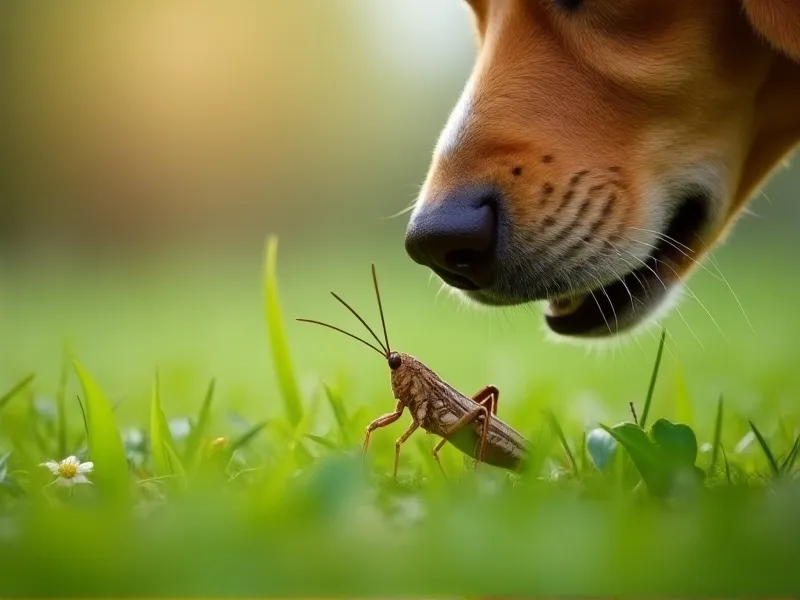
Table of Contents
- Can Dogs Eat Grasshoppers? The Short Answer
- The Potential Benefits of Grasshoppers for Dogs
- The Risks: What Pet Parents Need to Watch For
- How Much Grasshopper Is Safe for Dogs?
- Healthier Alternatives to Grasshoppers
- FAQ: Your Grasshopper Questions Answered
- Conclusion: Moderation and Common Sense
- References
Can Dogs Eat Grasshoppers? The Short Answer
Yes, dogs can technically eat grasshoppers—but only in moderation, and with caveats. Grasshoppers are not toxic to dogs, and many pups will munch on one (or a few) without any issues. In fact, insects like grasshoppers are a natural part of the diet of wild canids (dogs’ ancestors), who often snack on bugs for extra protein.
But “non-toxic” doesn’t mean “risk-free.” There are potential dangers, from choking to pesticides, that make grasshoppers a “proceed with caution” treat. Let’s break down the pros and cons.
The Potential Benefits of Grasshoppers for Dogs
While we might cringe at the thought of bugs on our plate, grasshoppers are surprisingly nutrient-dense. Here’s why your dog’s wild side might crave them:
1. Protein: A Natural Energy Boost
Grasshoppers are packed with high-quality protein—up to 20-25 grams per 100 grams of dried grasshopper, according to nutritional analyses (1). Protein is essential for dogs, supporting muscle growth, immune function, and healthy skin and coat. For active dogs or those needing a protein boost, a grasshopper (in small amounts) could offer a natural alternative to processed treats.
2. Fiber: Good for Digestion
The exoskeleton of grasshoppers is made of chitin, a fibrous substance that acts as roughage. Fiber helps keep your dog’s digestive system moving, preventing constipation and supporting gut health (2). In small doses, this can be beneficial—think of it as nature’s “doggy fiber supplement.”
3. Micronutrients: Potassium, Iron, and More
Grasshoppers also contain key minerals like potassium (important for heart and muscle function), iron (supports red blood cells), and zinc (boosts immunity). They even have B vitamins, which help convert food into energy (1). While your dog’s regular kibble should already provide these nutrients, a grasshopper here and there adds a tiny “wild food” boost.
4. Ancestral Appeal
Let’s not forget: Dogs evolved from wolves, who ate whatever they could find—including insects. For some dogs, chasing and eating grasshoppers is an instinctual behavior, harkening back to their roots. This mental stimulation (the “hunt”) can be just as rewarding as the snack itself!
The Risks: What Pet Parents Need to Watch For
While grasshoppers have benefits, they’re not without risks. Here’s what to keep in mind before letting your pup snack freely:
1. Choking Hazard
Grasshoppers are small, but their legs and wings can be sharp or stiff—especially for tiny dogs or puppies. A choking risk is real if your dog tries to swallow a grasshopper whole without chewing. Even larger dogs might gag if they eat one too quickly.
2. Stomach Upset (Gastritis)
Eating too many grasshoppers can irritate your dog’s stomach. The exoskeleton (chitin) is hard to digest in large quantities, leading to vomiting, diarrhea, or bloating. This is more common in dogs with sensitive tummies or those who scarf down multiple bugs in one sitting.
3. Pesticides and Chemicals
The biggest risk? Where the grasshopper was caught. If the bug was hopping around a lawn treated with pesticides, herbicides, or fertilizers, your dog could ingest those toxins. Pesticides like organophosphates are dangerous to dogs and can cause symptoms like drooling, tremors, or seizures (3). Always avoid letting your dog eat bugs from treated yards, parks, or gardens.
4. Parasites
In rare cases, grasshoppers can carry parasites like tapeworms or roundworms. If your dog eats an infected grasshopper, the parasite could take up residence in their intestines, leading to weight loss, diarrhea, or a dull coat (4). This is more likely in areas with poor sanitation, but it’s still a risk to consider.
5. Defensive Chemicals (Rare)
Most grasshoppers are harmless, but a few species (like the eastern lubber grasshopper) secrete a toxic foam when threatened. While this foam is unlikely to seriously harm a dog, it could cause mouth irritation or drooling (5). Luckily, these species are less common and usually found in specific regions (like the southern U.S.).
How Much Grasshopper Is Safe for Dogs?
The golden rule here is moderation. Grasshoppers should never replace your dog’s balanced diet—they’re an occasional treat, not a meal.
- Small dogs (under 20 lbs): 1-2 grasshoppers per week, max.
- Medium dogs (20-50 lbs): 2-3 grasshoppers per week.
- Large dogs (50+ lbs): 3-4 grasshoppers per week.
If your dog eats more than this, monitor them for stomach upset (vomiting, diarrhea) and contact your vet if symptoms persist. And always:
- Check the source: Only let them eat grasshoppers from untreated, pesticide-free areas (like your own organic garden).
- Supervise: Watch your dog while they “hunt” to prevent overeating or choking.
Healthier Alternatives to Grasshoppers
If you want to treat your dog to a “bug-like” snack without the risks, try these safer alternatives:
1. Commercial Insect-Based Treats
Brands like Jiminy’s or Entomo Farms make dog treats using cricket protein—these are rigorously tested for safety, free of pesticides, and controlled for nutrients. They’re a great way to give your dog the insect experience without the guesswork (6).
2. Cooked Lean Meats
Boiled chicken, turkey, or beef (no seasoning!) is a classic, safe treat. These are high in protein, easy to digest, and free of choking hazards.
3. Fresh Veggies
Carrots, green beans, or cucumber slices are low-calorie, high-fiber, and crunchy—perfect for dogs who love to “hunt” (you can even toss them for a chasing game!).
4. Fruit (In Moderation)
Apples (without seeds) or blueberries are sweet, nutrient-dense treats. Just avoid grapes, raisins, or citrus, which are toxic to dogs.
FAQ: Your Grasshopper Questions Answered
Q: My dog ate a whole bunch of grasshoppers—should I panic?
A: Probably not, but monitor them closely. Look for vomiting, diarrhea, or lethargy. If symptoms last more than 24 hours, contact your vet. Most dogs will pass the grasshoppers without issue, but it’s better to be safe.
Q: Are grasshoppers healthier than commercial dog treats?
A: Not necessarily. Commercial treats are formulated to meet safety standards and nutrient guidelines, while grasshoppers can carry pesticides or parasites. Stick to grasshoppers as an occasional “wild” treat, not a replacement for tested snacks.
Q: Can puppies eat grasshoppers?
A: Puppies have sensitive tummies, so it’s best to avoid grasshoppers until they’re older (6+ months). Their immune systems and digestive tracts are still developing, making them more prone to upset.
Q: What if the grasshopper was in a yard with pesticides?
A: Call your vet or the ASPCA Animal Poison Control Center (888-426-4435) immediately. Pesticides can be toxic, and early treatment is key.
Q: My dog loves chasing grasshoppers—should I stop them?
A: Chasing is great mental and physical exercise! Just redirect them if they try to eat the bug, or let them “hunt” in a pesticide-free area and limit consumption to a few per week.
Conclusion: Moderation and Common Sense
So, can dogs eat grasshoppers? Yes—but think of them as a rare, nature-made treat, not a staple. The benefits (protein, fiber, ancestral fun) are real, but the risks (pesticides, choking, stomach upset) mean you should always supervise and limit intake.
If your dog sneaks a grasshopper here and there, don’t stress—they’re probably fine. But if they show signs of illness, or if you’re unsure about the bug’s origin, err on the side of caution and consult your vet.
At the end of the day, your dog’s health and happiness are what matter most. A little bug-chasing fun is part of being a dog—just keep it safe, and enjoy those summer adventures together!
References
- U.S. Department of Agriculture. (2023). FoodData Central: Grasshopper, raw. Link
- National Center for Biotechnology Information. (2020). Chitin as a functional food component. Link
- ASPCA. (2023). Pesticides: Toxic to Pets. Link
- American Veterinary Medical Association. (2022). Intestinal Parasites in Dogs. Link
- University of Florida. (2021). Eastern Lubber Grasshopper. Link
- U.S. Food and Drug Administration. (2022). Insect-Based Proteins in Pet Food. Link