· 9 min read
Can Dogs Eat Grass Seed? The Complete Guide for Pet Parents
It’s a familiar scene: You’re relaxing in the backyard, coffee in hand, when your dog—let’s call her Luna—suddenly drops to her belly and starts munching. But this time, she’s not just nibbling grass blades. Her nose is zeroed in on the tiny, tufted seeds at the top of the grass stems. Your heart skips a beat. Is grass seed safe for dogs? You’ve heard grass is usually harmless, but seeds? Are they a hidden danger, or just another quirky canine craving?
If you’ve ever asked yourself, “Can dogs eat grass seed?” you’re not alone. As pet parents, we’re wired to worry about every little thing our fur babies put in their mouths. In this guide, we’ll break down the facts: the potential benefits, the risks to watch for, safe feeding guidelines, and healthier alternatives. By the end, you’ll know exactly how to handle Luna’s next grass-seed snack attack.
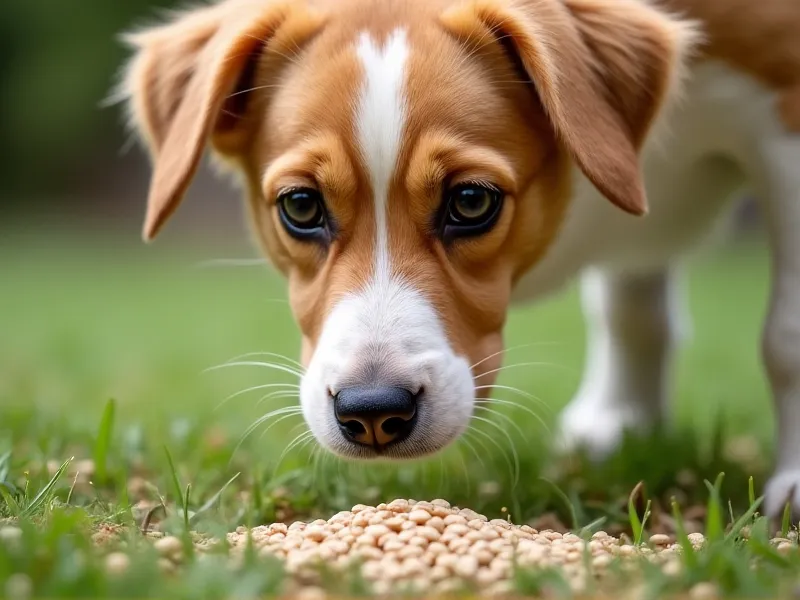
Table of Contents
- Can Dogs Eat Grass Seed? The Short Answer
- Potential Benefits of Grass Seed for Dogs
- Risks to Consider: Why Grass Seed Might Not Be Safe
- Safe Feeding Guidelines: How Much (If Any) Is Okay?
- Healthier Alternatives to Grass Seed
- FAQ: Your Grass Seed Questions Answered
- Conclusion: Moderation and Veterinary Guidance
Can Dogs Eat Grass Seed? The Short Answer
Yes, dogs can eat small amounts of grass seed in most cases—but it’s not without risks.
Grass seed itself isn’t inherently toxic to dogs. In fact, many dogs nibble grass (and its seeds) instinctively, a behavior rooted in their wild ancestors, who ate plant matter to supplement their diet. However, “safe in small amounts” doesn’t mean “risk-free.” The key factors are how much your dog eats, where the grass seed comes from, and your dog’s individual health.
Let’s dig into the details: why some grass seed might be beneficial, and when it could spell trouble.
Potential Benefits of Grass Seed for Dogs
Dogs are omnivores, meaning their bodies are designed to digest both meat and plant-based foods. So, it’s not surprising that some grass seed might offer mild benefits—especially if your dog is seeking specific nutrients. Here’s what science and veterinarians say:
1. Fiber for Digestive Health
Grass seed is rich in dietary fiber, which helps keep your dog’s digestive system running smoothly. Fiber adds bulk to stool, preventing constipation, and can even soothe an upset stomach by absorbing excess stomach acid.
Veterinarians often recommend fiber supplements (like pumpkin or psyllium) for dogs with mild digestive issues, and grass seed—when eaten in small amounts—might serve a similar, natural purpose. For example, if your dog has been constipated, a few grass seeds could act as a gentle laxative.
2. Potassium for Muscle and Nerve Function
Many grass seeds are a natural source of potassium, an essential mineral that supports muscle contraction, nerve signaling, and heart health. Potassium deficiencies in dogs are rare (since commercial dog foods are fortified with it), but a small boost from grass seed won’t hurt—especially for active dogs who burn through electrolytes.
3. Trace Nutrients and Enzymes
Grass seeds also contain trace amounts of vitamins (like A and C) and enzymes that may aid digestion. While these nutrients aren’t a substitute for a balanced dog food, they could complement your dog’s diet—sort of like a canine “multivitamin snack.”
But wait: These benefits are only relevant if the grass seed is untreated, organic, and eaten in moderation. Most backyard grass seed comes with hidden risks, which we’ll explore next.
Risks to Consider: Why Grass Seed Might Not Be Safe
While small, occasional nibbles of grass seed are unlikely to harm your dog, there are several risks to be aware of—some of which can be serious.
1. Choking or Intestinal Blockages
Grass seeds are tiny, but they’re hard and can be sharp (especially if they’ve dried out). If your dog eats a large handful, the seeds could clump together or get stuck in their throat, causing choking. Worse, they might pass into the intestines and form a blockage—a life-threatening condition that often requires surgery.
Small dogs and brachycephalic breeds (like Bulldogs or Pugs) are at higher risk, as their throats and digestive tracts are narrower.
2. Stomach Upset (Vomiting or Diarrhea)
Even if grass seed doesn’t block your dog’s gut, it can irritate their digestive system. The hard outer shell of seeds can scratch the stomach or intestinal lining, leading to vomiting, diarrhea, or abdominal pain.
Puppies, senior dogs, and dogs with sensitive stomachs (like those with IBD) are more likely to react badly. If your dog starts retching or has loose stools after eating grass seed, it’s a sign their body is rejecting it.
3. Pesticides, Herbicides, or Fertilizers
Here’s the biggest red flag: Most grass in yards, parks, or public spaces is treated with chemicals like pesticides, herbicides, or fertilizers. These toxins are designed to kill bugs, weeds, or promote growth—and they’re extremely harmful to dogs.
Symptoms of pesticide poisoning include drooling, lethargy, seizures, or even organ failure. Even “organic” fertilizers (like bone meal or blood meal) can be dangerous: They’re high in nitrogen, which can cause vomiting, diarrhea, or pancreatitis if ingested in large amounts.
4. Moldy or Spoiled Seeds
If grass seed has been sitting in damp soil (after rain, for example), it can grow mold. Moldy seeds contain mycotoxins, which are toxic to dogs and can cause vomiting, tremors, or liver damage.
Dogs with weakened immune systems (like those with cancer or autoimmune diseases) are especially vulnerable to mycotoxin poisoning.
5. Foxtail Grass: A Hidden Danger
One type of grass seed deserves special attention: foxtail grass. Foxtail seeds have barbed tips that burrow into a dog’s skin, ears, nose, or paws—and can even migrate into organs. Left untreated, foxtail seeds cause infections, abscesses, or permanent damage.
Foxtail grass is common in the U.S. (especially in the West), and its seeds look like tiny, bushy tails. If you see foxtail grass in your yard, keep your dog away—even a single seed can be dangerous.
6. Natural Sugars (For Diabetic Dogs)
Some grass varieties (like sweet vernal grass) produce seeds with higher natural sugar content. For most dogs, this is harmless, but for dogs with diabetes or obesity, excess sugar can spike blood glucose levels or contribute to weight gain.
Safe Feeding Guidelines: How Much (If Any) Is Okay?
If you want to let your dog snack on grass seed (or if they’ve already started!), follow these rules to minimize risk:
1. Stick to Organic, Untreated Grass
Only let your dog eat grass seed from untreated, organic lawns (yours or a trusted friend’s). Avoid public parks, golf courses, or yards where pesticides, herbicides, or fertilizers have been used. Check the grass for mold (look for white or gray fuzz) and avoid it if it’s damp.
2. Limit Portions to “Nibbles,” Not “Meals”
Grass seed should never replace your dog’s regular food. A safe amount is:
- Small dogs (under 20 lbs): A few seeds (no more than a teaspoon) per week.
- Medium dogs (20–50 lbs): A tablespoon or less per week.
- Large dogs (50+ lbs): Up to 2 tablespoons per week.
If your dog eats more than this, monitor them for signs of stomach upset (vomiting, diarrhea) or choking.
3. Avoid High-Risk Dogs
Grass seed is not safe for:
- Puppies under 6 months (their digestive systems are still developing).
- Senior dogs with chronic conditions (like kidney disease or diabetes).
- Dogs with a history of pancreatitis, IBD, or food allergies.
- Brachycephalic breeds (due to choking risk).
4. Supervise and Monitor
Never leave your dog unsupervised while they’re eating grass seed. Watch for signs of trouble, like gagging, retching, or pawing at the mouth (which could mean a seed is stuck). If your dog seems uncomfortable, gently redirect them with a toy or treat.
Healthier Alternatives to Grass Seed
If you’re worried about the risks of grass seed, there are plenty of safer, more nutritious alternatives that satisfy your dog’s urge to munch on plants:
1. Pumpkin (Canned, Unsweetened)
Pumpkin is a fiber powerhouse and gentle on the stomach. Mix 1–2 tablespoons (depending on your dog’s size) into their food for digestive support.
2. Carrots or Green Beans
Crunchy, low-calorie, and full of vitamins, carrots and green beans make great snacks. They satisfy the “chewing urge” and are safe for most dogs (even diabetic ones!).
3. Spinach or Kale (Cooked)
Cooked leafy greens are rich in iron, fiber, and antioxidants. Serve a small handful (chopped) as a treat—raw greens can be hard to digest, so steam them first.
4. Dog-Safe Herbs
Parsley, basil, or mint are safe for dogs and add a fresh flavor to their meals. Just avoid toxic herbs like garlic, chives, or onion.
5. Commercial Grass Treats
Companies like Barkworthies and Pet Greens sell organic, pre-grown grass pads for dogs—no seeds, pesticides, or mold risk. These are a great option if your dog loves munching greens.
FAQ: Your Grass Seed Questions Answered
Q: Why does my dog eat grass seed, anyway?
A: Dogs eat grass seed for many reasons:
- Instinct: Wild canids (like wolves) eat plant matter to add fiber to their diet.
- Nutrient deficiency: If their food lacks fiber or minerals, they may seek it out in grass.
- Boredom: Dogs often snack on grass when they’re understimulated.
- Nausea: Some dogs eat grass to induce vomiting (though this is debated—vets think it’s less common than we think!).
Q: My dog ate a lot of grass seed. Should I panic?
A: Not necessarily, but monitor them closely for 24 hours. Watch for vomiting, diarrhea, lethargy, or difficulty breathing. If you see these symptoms, call your vet—they may need to check for blockages or toxin exposure.
Q: Is all grass seed toxic to dogs?
A: No—most grass seed is non-toxic. The risks come from how much they eat, pesticides, mold, or sharp seeds (like foxtail).
Q: Can grass seed cause allergies in dogs?
A: Rarely, but possible. If your dog develops itchy skin, red eyes, or sneezing after eating grass seed, they may be allergic. Talk to your vet about allergy testing.
Q: Should I stop my dog from eating grass seed altogether?
A: If the grass is untreated and your dog only eats a little, it’s probably fine. But to be safe, offer healthier alternatives (like pumpkin or carrots) to satisfy their craving.
Conclusion: Moderation and Veterinary Guidance
So, can dogs eat grass seed? The answer is a cautious “yes”—in small, occasional amounts, and only if the grass is organic and untreated. While grass seed may offer mild benefits like fiber and potassium, the risks (choking, pesticides, mold) often outweigh the perks.
As a pet parent, the best approach is to:
- Supervise your dog when they’re outside.
- Avoid treated or moldy grass.
- Limit grass seed to tiny nibbles.
- Opt for safer alternatives like pumpkin or carrots.
If you’re ever unsure whether grass seed is safe for your dog (or if they’ve eaten a large amount), don’t hesitate to call your vet. They can help you assess the risk and keep your fur baby healthy.
After all, a happy dog is one who can explore the world—grass seeds and all—without harm. Here’s to many more backyard adventures with your curious canine!
References
- American Kennel Club (AKC). “Why Do Dogs Eat Grass?” akc.org
- PetMD. “Is Grass Safe for Dogs to Eat?” petmd.com
- VCA Hospitals. “Gastrointestinal Foreign Bodies in Dogs.” vcahospitals.com
- Cummings School of Veterinary Medicine at Tufts University. “Canine Nutrition: Fiber.” tuftscvm.org