· 8 min read
Can Dogs Eat Grapes? What Pet Parents Need to Know
It’s a lazy Sunday morning, and you’re enjoying a bowl of fresh, juicy grapes—sun-warmed and sweet. Beside you, your dog sits, tail thumping, nose twitching, as they gaze up at you with those “please share” eyes. You hesitate: “Is this safe?” We’ve all been there—wanting to spoil our pups with a tasty treat, but worried about hidden dangers. Grapes are a common human snack, but when it comes to dogs, the answer isn’t as simple as “yes” or “no.” In fact, the stakes might be higher than you think. Let’s dive into the facts, separate myth from science, and help you make the best choice for your furry friend.
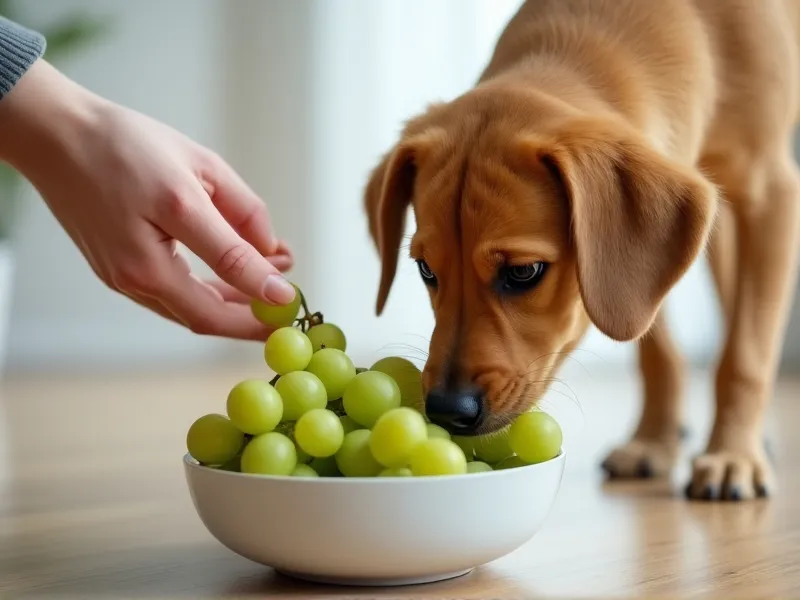
Table of Contents
- Can Dogs Eat Grapes? The Short Answer
- The Nutritional Profile of Grapes: What’s in Them?
- The Risks of Feeding Grapes to Dogs: Why They’re Dangerous
- How Much Grape is “Safe”? There’s No Magic Number
- Healthier Alternatives to Grapes for Dogs
- FAQ: Your Top Questions Answered
- Conclusion: When in Doubt, Skip the Grape
Can Dogs Eat Grapes? The Short Answer
No, dogs should not eat grapes—or raisins, currants, or any grape-related products.
While this might come as a surprise (after all, grapes are “healthy” for humans), the ASPCA (American Society for the Prevention of Cruelty to Animals) and the AVMA (American Veterinary Medical Association) explicitly list grapes and raisins as toxic to dogs. Even small amounts can cause severe, life-threatening kidney damage. The danger isn’t limited to a specific breed, size, or age—all dogs are at risk, though some may be more sensitive than others.
The Nutritional Profile of Grapes: What’s in Them?
Before we get into the risks, let’s take a quick look at what grapes do contain. For humans, grapes are a nutrient-dense snack:
- Water: About 80% water, making them hydrating.
- Fiber: 1.4 grams per cup, which supports digestion.
- Vitamins: Vitamin C (immune support), vitamin K (bone health), and B vitamins (energy production).
- Minerals: Potassium (heart health), manganese (metabolism), and copper (red blood cell function).
- Antioxidants: Resveratrol (linked to heart health in humans) and flavonoids (anti-inflammatory properties).
On paper, these sound like benefits—so why the warning for dogs? The problem is that dogs process nutrients differently than humans, and grapes contain an unknown toxin that’s harmful to their kidneys. Even with these vitamins and fiber, the risks of feeding grapes to dogs far outweigh any potential upsides.
The Risks of Feeding Grapes to Dogs: Why They’re Dangerous
Grapes (and raisins, which are dried grapes) are toxic to dogs, but scientists still haven’t pinpointed the exact toxin. What we do know is that ingestion can lead to acute kidney failure, a condition that’s often fatal without immediate veterinary care. Let’s break down the risks:
1. Kidney Toxicity: The Most Serious Risk
The biggest danger of grapes is their link to canine kidney failure. When a dog eats grapes, the toxin (whatever it is) damages the kidney tubules—the tiny structures responsible for filtering waste from the blood. Over time, this damage can shut down the kidneys entirely.
Symptoms of grape toxicity usually appear within 12–24 hours of ingestion and may include:
- Vomiting (often with grape/raisin pieces)
- Diarrhea
- Lethargy or weakness
- Loss of appetite
- Increased thirst and urination (early stages)
- Decreased urination (late stages, a sign of kidney failure)
- Abdominal pain or bloating
If left untreated, kidney failure can lead to seizures, coma, or death. Even with treatment, some dogs may suffer permanent kidney damage.
2. High Sugar Content: A Hidden Downside
Grapes are naturally high in sugar—about 16 grams of sugar per cup (for reference, a medium apple has ~19 grams, but apples are larger and less concentrated). For dogs, excess sugar can lead to:
- Weight gain and obesity (a risk factor for diabetes, joint pain, and heart disease).
- Dental issues (cavities, gum disease).
- Upset stomach (gas, diarrhea, or vomiting in sensitive dogs).
3. Choking Hazard
Grapes are small, round, and slippery—perfect for getting stuck in a dog’s throat, especially in small breeds or puppies. A choking dog may paw at their mouth, gag, cough, or struggle to breathe. In severe cases, this can block the airway and become life-threatening.
4. Pesticides and Additives
Unless you’re feeding organic grapes, they may be coated in pesticides (like many fruits). Dogs are more sensitive to these chemicals than humans, and even small amounts can cause stomach upset or long-term health issues. Washing grapes helps, but it doesn’t eliminate all residues.
How Much Grape is “Safe”? There’s No Magic Number
You might be thinking, “My neighbor’s dog ate a handful of grapes and was fine—so why the fuss?” Here’s the problem: grape toxicity is unpredictable. There’s no “safe” dose, and reactions vary widely between dogs.
Some dogs have eaten just 1–2 grapes and developed kidney failure, while others have eaten a whole bowl with no obvious symptoms. No one knows why this happens—scientists suspect genetics, breed, or individual sensitivity may play a role. But with such high stakes, it’s not worth rolling the dice.
The AVMA and ASPCA both recommend avoiding grapes, raisins, and grape products entirely for dogs. This includes:
- Fresh grapes (red, green, or purple)
- Raisins (dried grapes)
- Currants (small, dried grapes)
- Grape juice or wine (alcohol is extra toxic to dogs)
- Trail mix, granola bars, or baked goods containing raisins
If your dog accidentally eats grapes or raisins, call your vet or animal poison control immediately (even if they seem fine). Early treatment (like inducing vomiting or administering activated charcoal) can save their kidneys.
Healthier Alternatives to Grapes for Dogs
Just because grapes are off-limits doesn’t mean your dog can’t enjoy a fruity treat! There are plenty of safe, nutrient-packed alternatives that dogs love. Here are our top picks:
1. Blueberries
Blueberries are a superfood for dogs! They’re low in sugar (8 grams per cup), high in fiber (3.6 grams), and loaded with antioxidants (like resveratrol, the same compound in grapes—without the toxicity). They’re also small and easy to chew, making them perfect for training treats or a cooling summer snack.
2. Apples (No Seeds!)
Apples are crunchy, sweet, and full of fiber (4.8 grams per medium apple) and vitamin C. Just remove the seeds (they contain trace amounts of cyanide, which is toxic in large doses) and core, then slice into bite-sized pieces. Avoid the skin if your dog has trouble digesting it.
3. Bananas
Bananas are a great source of potassium (supports heart health), vitamin B6 (aids metabolism), and fiber. They’re naturally sweet, so feed them in moderation (1–2 slices per day for medium dogs) to avoid weight gain. Freeze banana slices for a cool, creamy treat!
4. Watermelon (No Rind or Seeds!)
Watermelon is 92% water, making it ideal for hydrating dogs on hot days. It’s also low in calories and high in vitamins A and C. Remove the rind (hard to digest) and seeds (choking hazard), then cube and serve.
5. Strawberries
Strawberries are packed with vitamin C (boosts immunity) and fiber, and they’re low in sugar (7 grams per cup). They even contain an enzyme that helps whiten teeth! Slice them up or mash into plain yogurt for a tasty “pup-sicle.”
FAQ: Your Top Questions Answered
Q: My dog ate grapes—what should I do?
A: Don’t panic, but act fast! Call your vet or the ASPCA Animal Poison Control Center (APCC) at (888) 426-4435 (fees may apply). They’ll ask about your dog’s size, how many grapes they ate, and when. Treatment may include inducing vomiting, giving activated charcoal to absorb toxins, or IV fluids to protect the kidneys. Even if your dog seems fine, always seek help—symptoms can take 12–24 hours to appear.
Q: Are raisins safer than grapes for dogs?
A: No! Raisins are just dried grapes, and they’re often more toxic because the toxin is concentrated. A small handful of raisins can be just as dangerous as a bowl of fresh grapes.
Q: Why are grapes toxic to dogs but not humans?
A: Scientists aren’t sure yet! Humans can eat grapes safely, but dogs lack a specific enzyme (or have a different kidney structure) that makes them vulnerable to the unknown toxin in grapes. Research is ongoing, but until we know more, it’s best to avoid them.
Q: Can puppies eat grapes?
A: Puppies are even more at risk than adult dogs. Their kidneys are still developing, and they’re smaller, so a tiny amount of grapes could cause serious harm. Stick to puppy-safe treats like plain cooked chicken or blueberries.
Q: What if my dog only ate one grape? Should I worry?
A: Yes—even one grape can be dangerous. Some dogs are highly sensitive, and there’s no way to predict how they’ll react. Call your vet immediately to be safe.
Conclusion: When in Doubt, Skip the Grape
At the end of the day, our dogs rely on us to keep them safe—and that means being cautious about what we feed them. Grapes may seem harmless, but their link to kidney failure makes them a risk not worth taking.
Instead of grapes, reach for safe alternatives like blueberries, apples, or bananas—your dog will love the taste, and you’ll have peace of mind knowing you’re supporting their health. And if you ever have questions about a new food, always consult your vet. They know your dog’s unique needs and can guide you toward the best choices.
Your pup’s wagging tail and healthy smile are worth it. Let’s keep those treats safe, delicious, and full of love!
References
- American Society for the Prevention of Cruelty to Animals (ASPCA). “Toxic and Non-Toxic Plants: Grapes.” aspca.org
- American Veterinary Medical Association (AVMA). “Grapes and Raisins: A Hidden Danger for Dogs.” avma.org
- Journal of Veterinary Internal Medicine. “Acute Renal Failure in Dogs After Ingestion of Grapes or Raisins: A Retrospective Study of 43 Cases.” doi.org/10.1111/j.1939-1676.2001.tb03707.x
- Pet Poison Helpline. “Grapes, Raisins, & Currants.” petpoisonhelpline.com