· 9 min read
Can Dogs Eat Granola with Honey? A Pet Parent’s Guide to Crunchy Snacks
It’s a sunny Sunday morning, and you’re savoring a bowl of golden granola—crunchy oats, a sprinkle of nuts, and a drizzle of sticky honey. Beside you, your dog sits, tail thumping, nose twitching at the sweet aroma. “Just a tiny bite?” you wonder. After all, granola sounds healthy—oats, honey, maybe even some fruit. But is it safe for your pup?
As pet parents, we’ve all been there: sharing a snack feels like a loving gesture, but we need to make sure it’s actually good for our furry friends. In this guide, we’ll break down whether granola with honey is a safe treat, the potential benefits (yes, there are a few!), the risks to watch for, and healthier alternatives to keep those tails wagging.
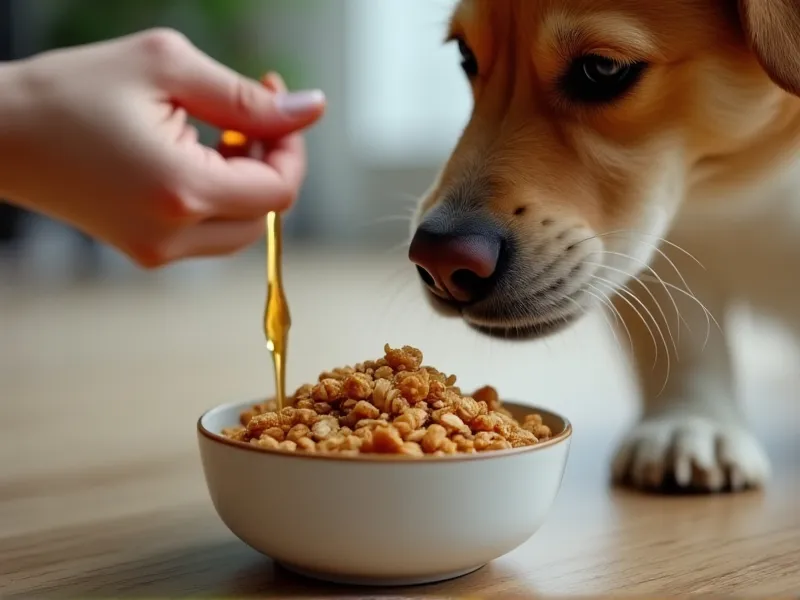
Table of Contents
- Can Dogs Eat Granola with Honey? The Short Answer
- What’s in Granola, Anyway?
- Potential Benefits of Granola with Honey for Dogs
- Risks to Watch Out For
- How Much Granola with Honey Can Dogs Safely Eat?
- Healthier Alternatives to Granola with Honey
- FAQ: Your Granola-and-Honey Questions Answered
- Conclusion: Enjoy Snacks Together—Safely
Can Dogs Eat Granola with Honey? The Short Answer
Let’s cut to the chase: In very small, occasional amounts, plain granola (without toxic ingredients) might be safe for some adult dogs—but it’s rarely necessary, and there are significant risks to consider.
Honey adds sugar, and granola often includes ingredients that are either unhealthy (like excess sugar) or outright dangerous (like raisins, macadamia nuts, or chocolate). For most dogs, the cons of granola with honey outweigh the pros. Think of it like junk food for dogs: a tiny bite here and there won’t hurt, but it’s not something you should make a habit of.
What’s in Granola, Anyway?
To understand if granola is safe, let’s first look at what’s typically in it. Granola recipes vary, but common ingredients include:
- Oats (the base: rolled, steel-cut, or quick oats)
- Sweeteners (honey, maple syrup, brown sugar, or even high-fructose corn syrup)
- Nuts (almonds, peanuts, walnuts, macadamia nuts, etc.)
- Dried fruit (raisins, cranberries, apricots, dates)
- Add-ins (chocolate chips, coconut, seeds, spices like cinnamon)
Some of these are harmless (oats!), others are risky (raisins!), and some fall somewhere in between (honey, nuts). Let’s dive into the good, the bad, and the ugly.
Potential Benefits of Granola with Honey for Dogs
While granola isn’t a “superfood” for dogs, a very plain version (no added sugar, toxic nuts, or dried fruit) might offer a few minor perks. Here’s what to know:
1. Oats: A Fiber-Filled Foundation
Oats are the star here. They’re packed with:
- Fiber: Helps regulate digestion and keep your dog’s gut healthy.
- Beta-glucans: These compounds support immune function and may help lower cholesterol (though dogs don’t often have cholesterol issues, it’s a nice bonus).
- B vitamins and iron: Small amounts that contribute to energy and overall health.
Plain, cooked oats are actually a popular ingredient in homemade dog treats for good reason—they’re gentle on tummies and nutrient-dense.
2. Nuts (Sometimes): A Source of Healthy Fats (But Proceed with Caution)
Some nuts are safe for dogs in small, unsalted amounts. For example:
- Peanuts (unsalted, unroasted): Rich in protein, healthy fats, and vitamin E.
- Cashews (unsalted, unroasted): Contain magnesium and zinc.
These can offer a tiny boost of nutrients, but nuts are high in fat—too much can cause pancreatitis in dogs. Plus, many granola recipes use nuts like macadamia nuts (which are toxic to dogs) or walnuts (high in fat and can cause stomach upset).
3. Honey: A Dash of Antioxidants (and Sugar)
Honey has trace amounts of antioxidants and antibacterial properties. In humans, it’s used to soothe sore throats, but there’s no evidence it offers the same benefits for dogs. And any upside is overshadowed by its high sugar content (more on that later).
Risks to Watch Out For
Now, the not-so-great news. Granola with honey is far from risk-free. Here are the biggest dangers:
1. Sugar Overload: A Recipe for Obesity and Diabetes
Honey is sugar—plain and simple. A single tablespoon of honey has ~17 grams of sugar, and granola often adds extra sweeteners on top. Dogs don’t need added sugar in their diet. Over time, excess sugar can lead to:
- Obesity: Extra calories pile on quickly, increasing the risk of joint pain, heart disease, and other obesity-related issues.
- Diabetes: Chronic high sugar intake can disrupt insulin regulation, leading to diabetes.
- Dental disease: Sugar feeds harmful bacteria in your dog’s mouth, causing plaque, tartar, and cavities.
2. Honey and Botulism: A Risk for Puppies
Honey can contain Clostridium botulinum spores, which are harmless to most adult dogs (their stomach acid kills the spores). But puppies under 6 months old have immature immune systems and weaker stomach acid. In rare cases, these spores can germinate in a puppy’s gut, producing botulism toxin—a serious illness that causes muscle weakness and even paralysis.
For puppies, honey is a hard “no.”
3. Choking Hazards: Crunchy, Chokable Bits
Granola is dry and crunchy, with chunks of nuts, oats, or dried fruit that can get stuck in your dog’s throat. Small dogs are especially at risk, but even large breeds can choke on a big piece. Dried fruit like raisins or apricots can also be sticky, making them more likely to lodge in airways.
4. Toxic Ingredients: Hidden Dangers in “Healthy” Granola
Many granola brands or homemade recipes include ingredients that are toxic to dogs. These include:
- Raisins/grapes: Even small amounts can cause kidney failure in dogs (no one knows why, but it’s a well-documented risk per the ASPCA).
- Macadamia nuts: Just a few can cause weakness, vomiting, hyperthermia, and tremors.
- Chocolate: Chocolate chips or cocoa powder contain theobromine, which is toxic to dogs.
- Xylitol: A sugar substitute sometimes found in “sugar-free” granola. Even tiny amounts can cause seizures, liver failure, or death.
Always check the label! If you see any of these ingredients, keep the granola far from your pup.
5. Stomach Upset: Fiber and Fat Overload
Granola is high in fiber (from oats) and fat (from nuts). While fiber is good in moderation, too much can cause diarrhea or constipation. Fatty foods like nuts can trigger pancreatitis—a painful, potentially life-threatening inflammation of the pancreas—especially in dogs prone to the condition (like small breeds or overweight dogs).
How Much Granola with Honey Can Dogs Safely Eat?
If you’re still tempted to share a tiny bite (we get it—those puppy eyes!), follow these rules:
1. Stick to “Plain Jane” Granola
Choose a granola with only oats, a tiny drizzle of honey, and safe nuts (like unsalted peanuts). No added sugar, raisins, chocolate, or macadamia nuts.
2. Portion Size Is Everything
- Small dogs (under 20 lbs): 1–2 tiny pieces (about 1 teaspoon total).
- Medium dogs (20–50 lbs): Up to 1 tablespoon (crumbled, not a big clump).
- Large dogs (50+ lbs): Up to 2 tablespoons (again, crumbled and without large chunks).
This is a rare treat—once a month at most.
3. Avoid If Your Dog Has Health Issues
Skip granola with honey if your dog:
- Is a puppy under 6 months old (botulism risk).
- Has diabetes, obesity, or pancreatitis (sugar/fat will worsen these).
- Has food allergies (oats or nuts might trigger reactions).
Healthier Alternatives to Granola with Honey
Instead of sharing your granola, try these dog-safe snacks that are just as tasty (to them!) and way better for their health:
1. Plain Cooked Oats
Skip the honey and nuts—just cook plain oats in water. Let them cool, then serve a spoonful. It’s fiber-rich and gentle on tummies (great for dogs with diarrhea!).
2. Fresh Fruit (In Moderation)
- Blueberries: Packed with antioxidants and low in sugar.
- Apple slices (no core/seeds): Crunchy and full of fiber.
- Banana: A little goes a long way—high in potassium and natural sugars (limit to a few slices).
3. Veggies
- Baby carrots: Crunchy, low-calorie, and great for dental health.
- Green beans: Steamed or raw, they’re a fiber-filled snack.
- Pumpkin (plain, canned, no sugar/spices): Soothes upset stomachs and adds fiber.
4. Safe Nuts (Unsalted, Unroasted)
- Peanuts: A few unsalted peanuts make a protein-rich treat.
- Cashews: One or two (chopped) for a magnesium boost.
5. Commercial Dog Treats
Look for treats made with simple, whole ingredients (like oats, sweet potato, or chicken). Brands like Zuke’s, Blue Buffalo, or Wellness often have options free of added sugars and toxins.
FAQ: Your Granola-and-Honey Questions Answered
Q: My puppy stole a bite of my granola with honey—should I panic?
A: Probably not, but monitor them closely. Puppies are at risk for botulism, but a tiny bite is unlikely to cause issues. If they ate a lot (more than a tablespoon), contact your vet.
Q: Is sugar-free granola safer for dogs?
A: No! Sugar-free granola often contains xylitol, a sugar substitute that’s deadly to dogs. Even a small amount can cause seizures or liver failure. Always avoid sugar-free snacks unless labeled “xylitol-free.”
Q: What if my dog ate a whole bowl of granola with raisins?
A: This is an emergency! Raisins are toxic and can cause kidney failure. Call your vet or the ASPCA Animal Poison Control Center (888-426-4435) immediately.
Q: Can dogs eat granola bars?
A: Granola bars are even riskier than loose granola—they often have more sugar, chocolate, or added preservatives. Stick to the alternatives above!
Conclusion: Enjoy Snacks Together—Safely
At the end of the day, sharing a tiny piece of plain granola with honey is probably okay for most healthy adult dogs. But let’s be real: it’s not doing them any favors, and there are plenty of safer, healthier treats they’ll love just as much.
Your dog’s diet should focus on high-quality dog food tailored to their age, size, and health needs. Occasional treats are fun, but they should be just that—occasional. When in doubt, ask your vet—they know your pup’s unique needs best.
So next time you’re munching granola, give your dog a blueberry or a carrot stick instead. They’ll wag their tail just as hard, and you’ll both feel good knowing you’re keeping them safe.
References
- American Society for the Prevention of Cruelty to Animals (ASPCA). “Toxic and Non-Toxic Plants” and “People Foods to Avoid Feeding Your Pets.”
- American Veterinary Medical Association (AVMA). “Honey and Botulism in Puppies.”
- Tufts University Cummings School of Veterinary Medicine. “Nutrition for Dogs: What’s Safe, What’s Not.”
- UC Davis School of Veterinary Medicine. “Pancreatitis in Dogs.”