· 9 min read
Can Dogs Eat Granola Bars? A Pet Parent’s Guide to Safe Snacking
You’re mid-morning, reaching for that trusty granola bar to tide you over until lunch. Suddenly, you feel a wet nose nudge your hand. Your dog, ever the opportunist, is staring up at you with those “please share” eyes. It’s hard to resist—but before you break off a piece, you pause: Is this safe for my pup?
Granola bars are a staple in many households, lauded for their “healthy” reputation. But when it comes to dogs, “healthy for humans” doesn’t always translate to “safe for pets.” In this guide, we’ll break down whether granola bars are a okay treat for your furry friend, the potential risks and benefits, and safer alternatives to satisfy their snack cravings.
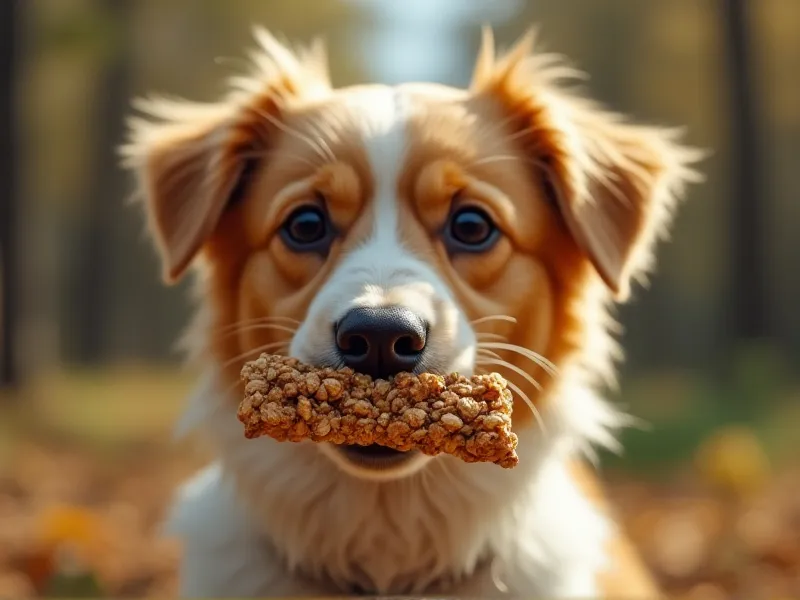
Table of Contents
- Can Dogs Eat Granola Bars? The Short Answer
- Potential Benefits of Granola Bars (When Ingredients Are Safe)
- The Risks: Why Most Granola Bars Are a Bad Idea
- Guidelines: If You Must Share, Here’s How
- Healthier Alternatives to Granola Bars
- FAQ: Your Granola Bar Questions, Answered
- Conclusion: When in Doubt, Consult Your Vet
Can Dogs Eat Granola Bars? The Short Answer
Most store-bought granola bars are not ideal for dogs. While a handful of ingredients in granola bars (like oats or unsalted nuts) can be healthy in small doses, the majority of commercial granola bars are packed with sugar, artificial additives, and even toxic ingredients that pose serious risks to your pup.
Think of it this way: Your dog’s diet is carefully balanced to meet their nutritional needs (thanks, high-quality dog food!). Granola bars, on the other hand, are designed for human taste buds—prioritizing sweetness and convenience over pet safety. So, while sharing a tiny bite occasionally might not harm your dog, making granola bars a regular treat is a no-go.
Potential Benefits of Granola Bars (When Ingredients Are Safe)
Before we dive into the risks, let’s acknowledge that some ingredients in granola bars can offer modest benefits—if the bar is free of harmful additives. Here’s what to look for (and why they matter):
1. Oats: A Fiber-Rich Base
Oats are a common granola bar ingredient, and they’re generally safe for dogs. They’re packed with:
- Fiber: Supports healthy digestion and can help regulate blood sugar.
- B vitamins: Boost energy levels and support brain function.
- Iron and magnesium: Important for red blood cell health and muscle function.
But: Oats are only beneficial if they’re not coated in sugar, honey, or artificial flavors.
2. Nuts (Some Are Safe, in Moderation)
Certain nuts—like unsalted, unflavored peanuts, almonds, or cashews—can add protein and healthy fats to granola bars. For example:
- Peanuts: Rich in protein, vitamin E, and niacin (supports skin and coat health).
- Almonds: Provide calcium and vitamin E (antioxidant properties).
But: Many nuts are toxic to dogs (macadamia nuts, walnuts) or high in fat (which can cause pancreatitis). Always check the label for dangerous nuts!
3. Seeds: Tiny Powerhouses
Seeds like chia, flax, or pumpkin seeds are sometimes added to granola bars. These offer:
- Omega-3 fatty acids: Support joint health, reduce inflammation, and keep coats shiny (chia and flax seeds are great sources).
- Fiber and protein: A small boost to digestion and muscle health.
4. Potassium from Fruits (Like Bananas)
Some granola bars include dried or fresh banana chunks, which are safe for dogs and rich in potassium—a mineral that supports heart and muscle function.
The catch? These benefits are only relevant if the granola bar is plain—no added sugar, xylitol, chocolate, raisins, or artificial preservatives. Unfortunately, such bars are rare in stores. Most commercial options prioritize taste over safety, so the “benefits” are often overshadowed by risks.
The Risks: Why Most Granola Bars Are a Bad Idea
Now, let’s get to the important part: the dangers hiding in many granola bars. Even “organic” or “natural” labels don’t guarantee safety for dogs. Here are the biggest red flags:
1. Sugar: A Silent Threat
Sugar is the #1 culprit in granola bars. Many store-bought bars contain 10–20 grams of sugar per serving (that’s 2–5 teaspoons!). For dogs, excess sugar can lead to:
- Obesity: Extra calories from sugar quickly add up, increasing the risk of joint pain and heart disease.
- Diabetes: Chronic high sugar intake can impair insulin function, leading to canine diabetes.
- Dental disease: Sugar feeds harmful bacteria in your dog’s mouth, causing cavities and gum disease.
Avoid bars with added sugars like corn syrup, brown rice syrup, or “cane sugar” high on the ingredient list.
2. Xylitol: Extremely Toxic to Dogs
Xylitol is an artificial sweetener used in “sugar-free” granola bars (and gum, candy, and baked goods). Even tiny amounts (as little as 0.1 grams per pound of body weight) can cause:
- Sudden drop in blood sugar (hypoglycemia), leading to seizures, loss of coordination, or even coma.
- Liver failure, which can be fatal.
Always check the label for xylitol! It’s often hidden in “sugar-free” or “low-sugar” products, so don’t assume “healthy” bars are safe.
3. Toxic Add-Ins: Chocolate, Raisins, and More
Many granola bars include ingredients that are directly toxic to dogs. Watch for:
- Chocolate: Contains theobromine, which dogs can’t metabolize. Even small amounts cause vomiting, seizures, or death.
- Raisins/grapes: Linked to kidney failure in dogs (no one knows why, but even a few can be dangerous).
- Macadamia nuts: Cause weakness, vomiting, hyperthermia, and tremors.
- Walnuts: High in fat (risk of pancreatitis) and can contain mold that produces tremorgenic mycotoxins (causes seizures).
4. Stomach Upset from High Fiber or Fat
Granola bars are often high in fiber (from oats, nuts, or seeds). While fiber is good in moderation, too much can overwhelm your dog’s digestive system, leading to:
- Diarrhea or constipation.
- Bloating or gas.
Similarly, high-fat ingredients (like oil-based coatings or fatty nuts) can trigger pancreatitis—a painful, life-threatening inflammation of the pancreas.
5. Choking Hazards
Granola bars can be dense, chewy, or contain hard chunks (like whole nuts or dried fruit). For small dogs, or dogs who gulp food, these pose a choking risk. Even larger dogs might struggle with sticky, clumpy bars that get lodged in their throat.
6. Artificial Additives and Preservatives
Many granola bars include artificial flavors, colors, or preservatives (like BHA, BHT, or propylene glycol). These additives have been linked to allergies, hyperactivity, and long-term health issues in dogs.
Guidelines: If You Must Share, Here’s How
We get it: Sometimes, you just can’t say no to those puppy eyes. If you must share a granola bar with your dog, follow these strict rules to minimize risk:
1. Check the Label—Twice
Scan for toxic ingredients first: xylitol, chocolate, raisins, macadamia nuts, walnuts. If any are listed, do not share.
Next, avoid bars with:
- Added sugars (sugar, corn syrup, honey, agave).
- Artificial sweeteners, flavors, or preservatives.
- High-fat ingredients (like chocolate chips, coconut oil, or fatty nut butters).
2. Stick to “Plain Jane” Options
The safest granola bars (if they exist) are plain: just oats, a small amount of unsalted nuts (peanuts or almonds), and maybe a sprinkle of seeds. No added sugar, no dried fruit, no coatings.
Pro tip: Even “plain” store-bought bars often have hidden sugar, so read the nutrition label. Aim for <2 grams of sugar per bar (and even that is pushing it).
3. Serve Tiny Portions
Dogs don’t need snacks—so keep portions microscopic:
- Small dogs (under 20 lbs): 1–2 tiny bites (about the size of your thumbnail).
- Medium dogs (20–50 lbs): 2–3 bites.
- Large dogs (50+ lbs): A few more bites, but no more than 1/4 of a small bar.
4. Monitor for Reactions
After sharing, watch your dog for 24 hours. Signs of trouble include:
- Vomiting, diarrhea, or lethargy.
- Tremors, seizures, or difficulty walking (red flags for xylitol or toxic nuts).
- Excessive thirst or urination (possible kidney issues from raisins).
If you see any of these, call your vet immediately.
5. Make It a Rare Treat
Even “safe” granola bars should be an occasional indulgence—not a regular snack. Once a month (or less!) is plenty.
Healthier Alternatives to Granola Bars
Instead of sharing your granola bar, opt for these dog-safe snacks that are just as tasty (to them!) and far healthier:
1. Homemade “Dog Granola”
Skip the store-bought stuff and make your own! Try this simple recipe:
- Ingredients: 1 cup rolled oats, ¼ cup unsalted peanut butter (no xylitol!), 1 mashed banana, 1 tbsp chia seeds.
- Instructions: Mix all ingredients, press into a baking dish, and bake at 350°F for 15–20 minutes. Let cool, then cut into small, bite-sized pieces. Store in the fridge for up to a week.
2. Fresh Fruits and Veggies
Dogs love crunchy, sweet snacks—try these:
- Fruits: Blueberries (antioxidants), banana slices (potassium), apple chunks (no seeds!), or strawberries (vitamin C).
- Veggies: Carrot sticks, cucumber slices, or green beans (low-calorie, high-fiber).
3. Oatmeal (Plain, Cooked)
A spoonful of plain, cooked oatmeal (no sugar, milk, or flavoring) is a great source of fiber and B vitamins. Warm or cold, dogs often love it!
4. Commercial Dog Treats with Natural Ingredients
Look for dog treats made with simple, recognizable ingredients (e.g., “oats, peanut butter, pumpkin”). Brands like Zuke’s, Blue Buffalo, or Wellness offer options with no added sugars or toxins.
FAQ: Your Granola Bar Questions, Answered
Q: Can dogs eat honey granola bars?
A: Honey is safe for dogs in tiny amounts, but honey granola bars are still high in sugar. The sugar content (not the honey itself) is the problem—so it’s best to avoid them.
Q: What if my dog ate a granola bar with raisins or chocolate?
A: Call your vet immediately. Raisins and chocolate are toxic, and time is critical. Even a few raisins can cause kidney failure, and chocolate can lead to seizures.
Q: Are homemade granola bars better than store-bought?
A: Yes! Homemade bars let you control ingredients—no sugar, xylitol, or toxic add-ins. Stick to oats, unsalted nuts, and seeds for a safe (occasional) treat.
Q: Can puppies eat granola bars?
A: No. Puppies have sensitive digestive systems and are more prone to stomach upset. Stick to puppy-specific treats or plain, cooked veggies.
Q: Is “low-sugar” granola safe for dogs?
A: Not necessarily. “Low-sugar” bars often use xylitol as a sweetener, which is deadly. Always check the label for xylitol before assuming a “low-sugar” bar is safe.
Conclusion: When in Doubt, Consult Your Vet
At the end of the day, granola bars are a human snack—not a dog treat. While a tiny bite of plain, homemade granola might be okay once in a blue moon, most store-bought bars are loaded with sugar, toxins, and other ingredients that can harm your pup.
Your best bet? Skip the granola bar and reach for a dog-safe snack instead—like a blueberry, a carrot stick, or a homemade oat treat. And if you ever have questions about a specific food, ask your vet. They know your dog’s health history and can give personalized advice.
After all, your dog’s wagging tail and healthy smile are worth more than any shared snack. 😊
References
- American Society for the Prevention of Cruelty to Animals (ASPCA). “Toxic and Non-Toxic Plants” and “People Foods to Avoid Feeding Your Pets.” aspca.org
- VCA Animal Hospitals. “Nutrition for Dogs.” vcahospitals.com
- PetMD. “Xylitol Poisoning in Dogs.” petmd.com
- American Kennel Club (AKC). “Can Dogs Eat Oats?” akc.org