· 8 min read
Can Dogs Eat Granola and Yogurt? A Pet Parent’s Guide to Safe Snacking
Picture this: You’re curled up on the couch, spooning a creamy bowl of granola and yogurt, when suddenly you feel a pair of eyes boring into you. You look down to find your dog, tail thumping, nose twitching, and that irresistible “please share” stare that could melt even the strictest snack-time rules. Before you cave, you pause: Is granola and yogurt safe for dogs?
As pet parents, we want to treat our furry friends, but not at the cost of their health. The answer isn’t a simple “yes” or “no”—it depends on the ingredients, portion size, and your dog’s unique needs. Let’s break down everything you need to know to keep snack time both tasty and safe.
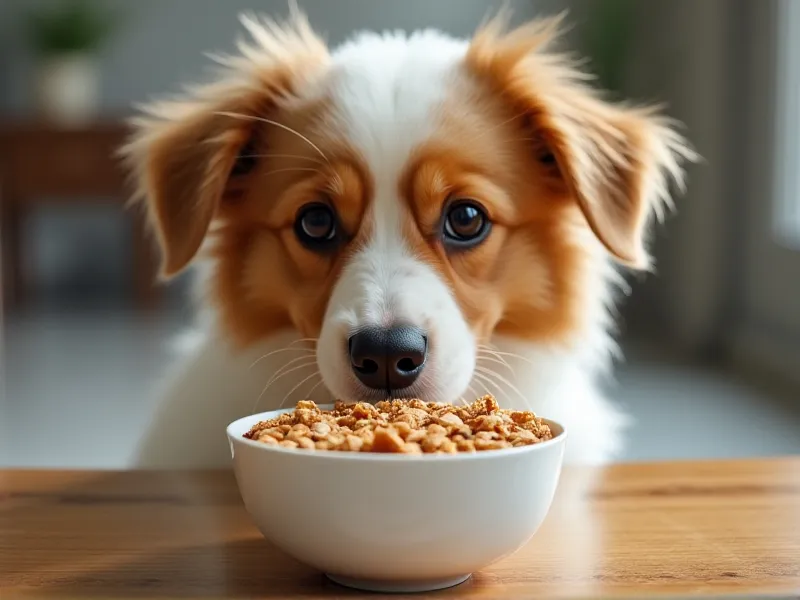
Table of Contents
- Can Dogs Eat Granola and Yogurt? The Short Answer
- The Potential Benefits: When Granola and Yogurt Might Help
- The Risks: What Makes Granola and Yogurt Unsafe for Dogs?
- Safe Guidelines: How Much (and What Kind) Can Dogs Eat?
- Healthier Alternatives to Granola and Yogurt
- FAQ: Your Granola-and-Yogurt Questions Answered
- Conclusion: Snacking Safely with Your Pup
- References
Can Dogs Eat Granola and Yogurt? The Short Answer
Yes, but with major caveats. Plain, unsweetened yogurt (without added sugars or artificial sweeteners) can be a healthy occasional treat for many dogs, thanks to its probiotics, protein, and calcium. Granola, however, is riskier: Most store-bought versions are loaded with sugar, artificial additives, and even toxic ingredients like raisins, chocolate, or macadamia nuts.
In short: Yogurt can be a safe snack in moderation, but granola is often off-limits unless it’s homemade with dog-friendly ingredients. Always check labels, avoid risky add-ons, and consult your vet before sharing.
The Potential Benefits: When Granola and Yogurt Might Help
Let’s start with the good news. When prepared carefully, yogurt (and very occasional granola) can offer some nutritional perks for dogs.
Yogurt: A Probiotic Powerhouse
Plain, unsweetened yogurt is the star here. Here’s why it might benefit your dog:
- Probiotics for Gut Health: Yogurt contains live cultures (like Lactobacillus) that support healthy gut bacteria, which can aid digestion and boost immunity. This is especially helpful for dogs with mild digestive upset or those on antibiotics (which can disrupt gut flora).
- Protein for Muscle and Energy: Yogurt is a good source of high-quality protein, which helps maintain muscle mass, repair tissues, and keep your dog active.
- Calcium for Strong Bones and Teeth: Calcium is essential for bone health, and yogurt provides a natural source—great for growing puppies or senior dogs needing extra support.
Granola: The (Occasional) Fiber Boost
Granola can have benefits, but only if it’s plain, unsweetened, and free of toxic add-ins. Here’s what to love:
- Fiber for Digestion: Oats, a common granola base, are rich in soluble fiber, which can help regulate digestion and keep your dog’s bowel movements regular.
- Potassium for Heart Health: Some granola ingredients (like plain oats or pumpkin seeds, if added) contain potassium, an electrolyte that supports heart and muscle function.
The Risks: What Makes Granola and Yogurt Unsafe for Dogs?
Now, the not-so-good news. Most commercial granola and yogurt products are packed with hidden dangers for dogs. Let’s break down the risks:
1. Added Sugar: A Silent Health Threat
Sugar is everywhere in processed foods—and it’s terrible for dogs. Granola often has added sugars (white sugar, brown sugar, corn syrup), and flavored yogurts (think vanilla, strawberry, or honey) are loaded with it too.
Why it’s risky: Excess sugar can lead to obesity, dental decay, and even diabetes in dogs. It also provides “empty calories,” meaning your dog gets no nutritional value while feeling full (which might reduce their appetite for balanced meals).
2. Xylitol: A Deadly Artificial Sweetener
Some “sugar-free” yogurts or granolas use xylitol, an artificial sweetener that’s extremely toxic to dogs. Even small amounts can cause a rapid insulin release, leading to hypoglycemia (low blood sugar), seizures, liver failure, or death.
Red flag: Always check labels for “sugar-free” claims—xylitol is often hidden in these products. It may be listed as “artificial sweetener” or under brand names like “Birch Sugar.”
3. Toxic Ingredients in Granola
Granola is a minefield of toxic add-ons. Common offenders include:
- Raisins and Grapes: Even a small handful can cause kidney failure in dogs (the ASPCA lists them as toxic, with no known safe dose).
- Chocolate: Chocolate contains theobromine, which dogs can’t metabolize—leading to vomiting, diarrhea, seizures, or death. Dark chocolate is the most dangerous.
- Macadamia Nuts: These nuts can cause weakness, vomiting, hyperthermia, or tremors in dogs.
- Honey (in Large Amounts): While small amounts of honey are generally safe, large doses can lead to obesity or tooth decay. It’s also high in calories, so moderation is key.
4. Lactose Intolerance: Not All Dogs Digest Dairy Well
Dogs, like some humans, can be lactose intolerant. Lactose is the sugar in milk, and many dogs lack the enzyme lactase needed to break it down.
Signs of lactose intolerance: Diarrhea, gas, bloating, or vomiting within a few hours of eating dairy. If your dog shows these symptoms, skip the yogurt.
5. Choking Hazards
Granola is often clumpy or contains large nuts or seeds, which can pose a choking risk—especially for small dogs or those who gulp their food.
Safe Guidelines: How Much (and What Kind) Can Dogs Eat?
If you want to share a bite with your pup, follow these rules to keep them safe:
For Yogurt: Stick to Plain, Unsweetened, and Lactose-Free (If Needed)
- Choose plain, unsweetened yogurt: Avoid flavored yogurts (even “natural” ones with fruit) and opt for plain Greek yogurt (higher in protein) or regular plain yogurt.
- Check for xylitol: Always read labels—“sugar-free” does NOT mean safe.
- Test for lactose tolerance: Start with a tiny spoonful (1–2 teaspoons for small dogs, 1–2 tablespoons for large dogs) and watch for 24 hours. If no digestive upset, you can offer it occasionally.
- Portion control: Yogurt should be a treat, not a meal. Aim for no more than 10% of your dog’s daily calories. For example:
- Small dogs (10–20 lbs): 1–2 tablespoons per week.
- Medium dogs (30–50 lbs): 2–4 tablespoons per week.
- Large dogs (60+ lbs): ¼ cup per week.
For Granola: Proceed with Extreme Caution (or Skip It)
Granola is rarely safe, but if you must share, make it at home with these rules:
- No toxic add-ins: Skip raisins, chocolate, nuts, or sweeteners.
- Use plain oats: Stick to rolled oats as the base (no added sugar or salt).
- Keep portions tiny: A few crumbs (not a handful!) as an occasional treat.
- Avoid clumps: Break up granola to prevent choking.
When to Say “No” Altogether
Never share granola or yogurt if your dog:
- Has diabetes, obesity, or pancreatitis (sugar and fat can worsen these conditions).
- Is lactose intolerant.
- Has food allergies (some dogs react to dairy or oats).
Healthier Alternatives to Granola and Yogurt
If you want to treat your dog without the risks, try these safer, nutrient-dense alternatives:
Yogurt Replacements
- Plain kefir: Like yogurt but with more probiotics (and often easier to digest for lactose-intolerant dogs).
- Cottage cheese: Low in lactose, high in protein and calcium (great for senior dogs).
- Pumpkin puree: Unsweetened pumpkin is packed with fiber and beta-carotene—excellent for digestion.
Granola Replacements
- Plain, cooked oats: Cooked oats (no sugar) are a safe, fiber-rich snack. Mix with a spoonful of plain yogurt for extra yum.
- Frozen banana slices: A sweet, natural treat with potassium and fiber.
- Carrot sticks or apple slices: Crunchy, low-calorie, and full of vitamins (just remove apple seeds!).
FAQ: Your Granola-and-Yogurt Questions Answered
Q: Can dogs have flavored yogurt (like vanilla or strawberry)?
A: No. Flavored yogurts have added sugar, artificial flavors, or fruit syrups—all bad for dogs. Stick to plain, unsweetened varieties.
Q: Is granola with honey safe for dogs?
A: Honey is not toxic, but it’s high in sugar. Small amounts (like a drizzle on plain oats) are okay for most dogs, but avoid it if your dog is diabetic or overweight.
Q: My dog ate a granola bar—should I panic?
A: It depends on the ingredients. If the bar has raisins, chocolate, or xylitol, call your vet or the ASPCA Poison Control Center (888-426-4435) immediately. If it’s plain oats with no add-ins, monitor for stomach upset (vomiting, diarrhea) and contact your vet if symptoms occur.
Q: Can puppies have yogurt?
A: Puppies can try plain yogurt in small amounts, but wait until they’re at least 8 weeks old (after weaning). Check for lactose intolerance first—puppies have sensitive tummies!
Conclusion: Snacking Safely with Your Pup
Sharing food with your dog is one of life’s little joys, but when it comes to granola and yogurt, caution is key. Plain, unsweetened yogurt can be a healthy treat in moderation, but granola is often too risky due to hidden sugars and toxins.
Remember: Every dog is different. What works for one may upset another’s stomach. When in doubt, consult your vet—they’ll help you tailor snacks to your dog’s age, health, and preferences.
At the end of the day, the best treats are the ones that keep your pup happy and healthy. So next time your dog begs for a bite, reach for a safe alternative like plain yogurt with pumpkin or a frozen banana slice. Your furry friend will wag their tail either way!
References
- American Society for the Prevention of Cruelty to Animals (ASPCA). “People Foods to Avoid Feeding Your Pets.” aspca.org
- American Kennel Club (AKC). “Can Dogs Eat Yogurt?” akc.org
- Cummings School of Veterinary Medicine at Tufts University. “Probiotics for Dogs: What You Need to Know.” tuftscvm.org
- Pet Poison Helpline. “Xylitol Toxicity in Dogs.” petpoisonhelpline.com