· 7 min read
Can Dogs Eat Grain Bread? What Pet Parents Need to Know
You’re sitting at the kitchen table, savoring a warm slice of whole grain bread slathered in butter. Across from you, your dog sits, tail thumping, eyes locked on your plate. “Just a tiny bite?” you think. “Surely a little bread won’t hurt, right?”
If you’ve ever wondered whether grain bread is safe for your furry friend, you’re not alone. As pet parents, we want to share the best (and tastiest!) parts of life with our dogs—but it’s crucial to know what’s actually good for them. Let’s dive into the details: Can dogs eat grain bread? When is it safe? And are there better alternatives?
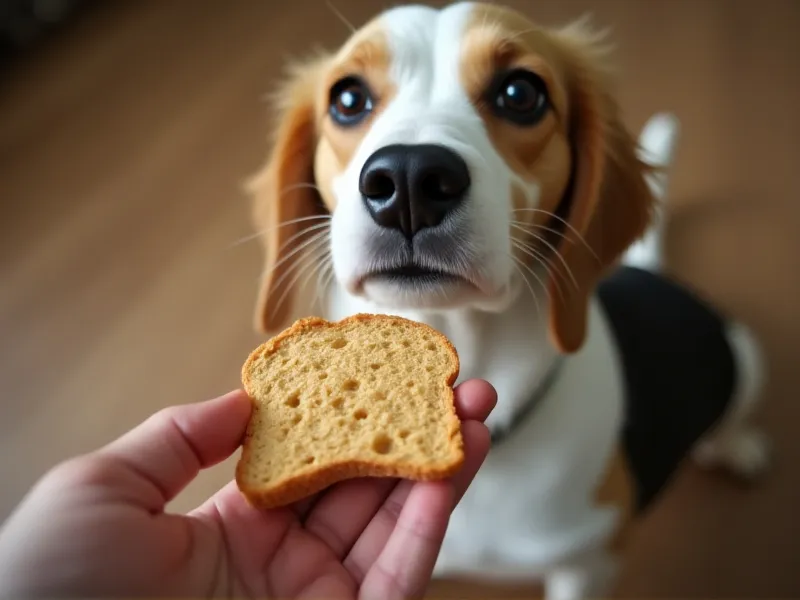
Table of Contents
- Can Dogs Eat Grain Bread? The Short Answer
- Potential Benefits of Grain Bread for Dogs
- Risks to Watch Out For
- How Much Grain Bread Can Dogs Safely Eat?
- Healthier Alternatives to Grain Bread
- FAQ: Your Questions Answered
- Conclusion
Can Dogs Eat Grain Bread? The Short Answer
Yes, most dogs can safely enjoy small amounts of plain, unsweetened grain bread as an occasional treat.
But here’s the catch: Grain bread isn’t a nutritional necessity for dogs. Their bodies are designed to thrive on a diet rich in high-quality protein, healthy fats, and specific vitamins—most of which they get from a balanced dog food. Bread should never replace their regular meals, and it’s important to avoid breads with harmful additives (more on that later!).
The key word here is plain. If your bread has added sugars, raisins, garlic, onions, xylitol, or other toppings, it could be toxic. Stick to basic, whole grain bread (like a plain whole wheat loaf) with no extras, and you’ll minimize risks.
Potential Benefits of Grain Bread for Dogs
While grain bread isn’t a superfood for pups, plain, whole grain varieties can offer some minor nutritional perks—if fed in moderation. Let’s break down what those might be:
1. B Vitamins for Energy
Whole grain breads (like whole wheat or oats) are often fortified with B vitamins (thiamine, riboflavin, niacin), which help convert food into energy. For active dogs, these vitamins support a healthy metabolism and keep their tails wagging.
2. Fiber for Digestion
Whole grain breads are higher in fiber than white bread, thanks to the intact bran and germ of the grain. Fiber aids digestion by promoting regular bowel movements and supporting a healthy gut microbiome. This can be especially helpful for dogs with occasional constipation (though always check with your vet first!).
3. Iron & Potassium
Some whole grain breads contain small amounts of iron (supports red blood cell health) and potassium (regulates heart and muscle function). Again, these are trace amounts—your dog will get far more from their regular food—but they’re a nice bonus in a treat.
Risks to Watch Out For
The benefits of grain bread are minimal, and the risks often outweigh them if you’re not careful. Here’s what to avoid:
1. Empty Calories & Weight Gain
Most bread—even whole grain—is high in carbs and low in protein or healthy fats. These “empty calories” can add up quickly, leading to weight gain or obesity if fed regularly. Extra weight puts strain on your dog’s joints, heart, and overall health, so treats like bread should stay occasional.
2. Added Sugars & Sweeteners
Many store-bought breads (think cinnamon raisin, honey wheat, or sweet rolls) contain added sugars, honey, or syrups. Too much sugar can cause dental issues, energy spikes/crashes, or even contribute to diabetes over time.
Worse: Some breads use artificial sweeteners like xylitol, which is extremely toxic to dogs. Even small amounts of xylitol can cause a rapid drop in blood sugar (hypoglycemia), seizures, or liver failure. Always check the ingredient list!
3. Stomach Upset
Dogs have sensitive digestive systems, and sudden introduction of new foods (like a big hunk of bread) can lead to diarrhea, vomiting, or gas. This is especially true for dogs with food sensitivities or those not used to high-fiber diets.
4. Choking Hazards
Crusty bread, large pieces, or dry bread can pose a choking risk, especially for small dogs or those who gulp their food. Always break bread into tiny, bite-sized pieces and supervise your dog while they eat.
5. Harmful Additives
Bread isn’t just flour and water—many loaves include additives that are dangerous for dogs:
- Raisins, currants, or grapes: These can cause kidney failure.
- Garlic, onions, or chives: Even in small amounts, these damage red blood cells.
- Seeds (like poppy or sesame): Some seeds are safe, but large quantities can cause blockages.
Rule of thumb: If the bread has anything other than flour, water, yeast, and a pinch of salt, skip it.
How Much Grain Bread Can Dogs Safely Eat?
The golden rule: Grain bread should be a rare treat, not part of your dog’s daily diet. Here’s a rough guide for portion sizes based on your dog’s weight:
| Dog Size | Max Portion per Treat (Occasional) |
|---|---|
| Small (5–20 lbs) | 1–2 tiny crumbs or a ¼-inch cube |
| Medium (20–50 lbs) | 1–2 small bites (about ½-inch cube) |
| Large (50+ lbs) | 2–3 small bites (about 1-inch cube) |
Examples: A Chihuahua might get a pinky-nail-sized piece; a Labrador could handle a bite the size of a dice.
When to avoid entirely: If your dog has diabetes (carbs spike blood sugar), food allergies (especially wheat/gluten), or is overweight, skip the bread altogether. Consult your vet first if you’re unsure.
Healthier Alternatives to Grain Bread
If you want to treat your dog, there are far better options than bread. These alternatives are more nutrient-dense and safer:
1. Plain Cooked Oatmeal
Oats are a great source of fiber, iron, and B vitamins—plus, they’re gentle on tummies. Serve a spoonful of unsweetened, cooked oatmeal as a warm treat.
2. Sweet Potato
Baked or boiled sweet potato is packed with fiber, beta-carotene (vitamin A), and potassium. It’s low in calories and dogs love the natural sweetness.
3. Pumpkin Puree (Unsweetened)
Pumpkin is a fiber powerhouse that soothes upset stomachs and supports digestion. Mix a tablespoon into your dog’s food or freeze small spoonfuls as a cool snack.
4. Whole Grain Dog Treats
Look for dog-specific treats made with whole grains (like brown rice or oats) and no added sugars. Brands like Blue Buffalo or Wellness offer great options.
5. Plain Popcorn (Air-Popped)
A few plain, air-popped popcorn kernels (no butter or salt!) make a low-calorie, crunchy treat for medium to large dogs (small dogs might choke on kernels, so skip it).
FAQ: Your Questions Answered
Q: Can puppies eat grain bread?
A: Puppies have developing digestive systems, so it’s best to stick to their puppy food. If you want to share a tiny piece, consult your vet first—some puppies are more sensitive to new foods.
Q: My dog ate a whole slice of bread! Should I panic?
A: Probably not, but monitor them for signs of stomach upset (vomiting, diarrhea, bloating). If they ate bread with xylitol, raisins, or garlic, call your vet immediately.
Q: Is whole wheat bread better than white bread for dogs?
A: Yes! Whole wheat has more fiber and nutrients than white bread (which is stripped of bran and germ). But it’s still a carb-heavy treat—moderation is key.
Q: Can dogs with grain allergies eat grain bread?
A: No. If your dog is allergic to wheat, oats, or other grains, grain bread will trigger symptoms like itching, red skin, or digestive issues. Stick to grain-free treats instead.
Q: Are there any breads that are never safe for dogs?
A: Yes! Avoid:
- Raisin bread (toxic raisins)
- Garlic bread (garlic is harmful)
- Xylitol-sweetened bread (deadly to dogs)
- Sourdough with high yeast (may cause bloating in rare cases)
Conclusion
So, can dogs eat grain bread? Yes, in tiny, occasional amounts of plain, whole grain bread. But it’s far from a necessary part of their diet. Your dog will thrive on a balanced, protein-rich dog food, with treats reserved for nutrient-dense options like sweet potato or pumpkin.
When in doubt, ask yourself: “Is this bread plain? Is it a small portion? Is my dog healthy enough for extra carbs?” If the answer to any is “no,” skip it. And when introducing any new treat, start small and watch for reactions.
At the end of the day, the best treat you can give your dog is love, playtime, and a diet tailored to their needs. When you do share a bite of your bread? Enjoy that moment—just keep it rare, and keep those puppy eyes in check!
References
- American Kennel Club (AKC). “Can Dogs Eat Bread?” akc.org
- ASPCA. “Toxic and Non-Toxic Plants & Foods.” aspca.org
- PetMD. “Human Foods Dogs Can and Can’t Eat.” petmd.com
- VCA Hospitals. “Xylitol Toxicity in Dogs.” vcahospitals.com