· 9 min read
Can Dogs Eat Goldfish Crackers? The Surprising Truth Every Pet Parent Should Know
We’ve all been there: You’re curled up on the couch, munching on a handful of those iconic, smile-shaped crackers, when suddenly you feel a wet nose nudge your hand. Your dog’s big, pleading eyes lock onto yours, and you can almost hear the silent question: “Can I have a bite?”
Goldfish crackers are a pantry staple in many homes—crunchy, cheesy, and totally addictive. But as a responsible pet parent, you pause. Are these little snacks safe for your furry friend? Or are they just another human food that could spell trouble for your dog’s health?
Let’s dive into the facts, so you can make an informed decision the next time your pup begs for a goldfish (or ten).
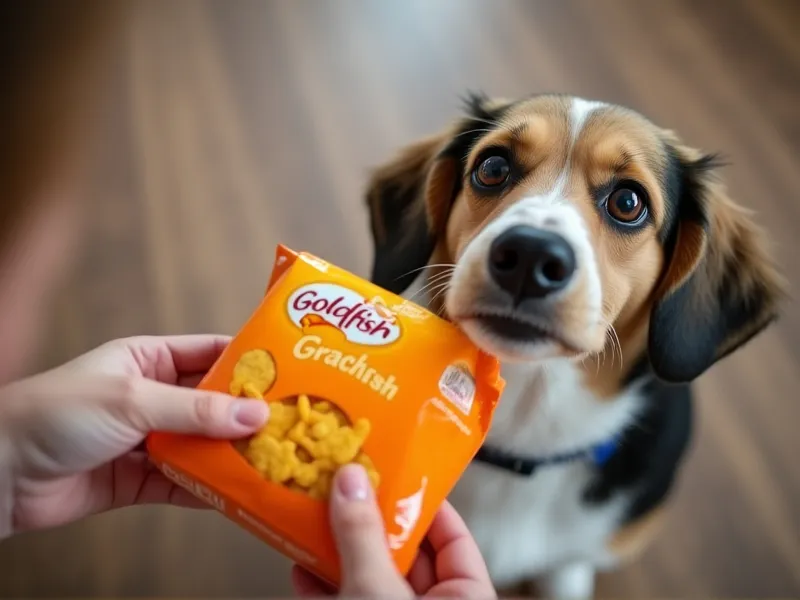
Table of Contents
- Can Dogs Eat Goldfish Crackers? The Short Answer
- What Are Goldfish Crackers, Anyway?
- Potential “Benefits” of Goldfish Crackers for Dogs (Spoiler: They’re Minimal)
- The Risks: Why Goldfish Crackers Should Be a Rare Treat
- How Much Goldfish Crackers Can Dogs Safely Eat?
- Healthier Alternatives to Goldfish Crackers
- FAQ: Common Questions About Dogs and Goldfish Crackers
- Conclusion: Moderation is Key
- References
Can Dogs Eat Goldfish Crackers? The Short Answer
Yes, dogs can technically eat a very small amount of plain goldfish crackers without immediate toxicity—but they offer no nutritional value and come with real risks. Think of them as junk food for dogs: not deadly in tiny doses, but definitely not something you should make a regular part of their diet.
The key word here is moderation. A cracker or two as an occasional treat is unlikely to harm most healthy dogs, but larger quantities or frequent snacks could lead to health issues down the line. Let’s break down why.
What Are Goldfish Crackers, Anyway?
To understand if goldfish crackers are safe for dogs, let’s start with their ingredients. Take Pepperidge Farm’s Original Cheddar Goldfish, the most popular variety:
- Enriched flour (wheat flour, niacin, reduced iron, thiamine mononitrate, riboflavin, folic acid)
- Vegetable oils (soybean, canola, and/or sunflower oil)
- Cheddar cheese (milk, cheese cultures, salt, enzymes)
- Salt
- Sugar
- Yeast
- Spices (like paprika, for color)
- Leavening agents (baking soda, monocalcium phosphate)
- Natural flavors
- Preservatives (like BHA, BHT, or citric acid, to extend shelf life)
Some varieties (like “Flavor Blasted” or “Xtra Cheddar”) pack even more salt, artificial flavors, or added sugar. Others, like “Whole Grain,” swap enriched flour for whole wheat but still contain similar additives.
None of these ingredients are toxic to dogs, but they’re also not nutritious. Let’s compare that to your dog’s regular food: a balanced dog kibble is formulated to meet all their needs (protein, fats, vitamins, minerals) in precise amounts. Goldfish crackers, by contrast, are empty calories.
Potential “Benefits” of Goldfish Crackers for Dogs (Spoiler: They’re Minimal)
You might be thinking, “But they have cheese! Flour! Don’t those have some nutrients?” Let’s set the record straight: Any “benefits” are negligible at best.
Fiber? Maybe, but Not the Good Kind
Enriched flour does contain a tiny bit of fiber, but it’s refined flour—not whole grain. Dogs need fiber from sources like sweet potatoes or pumpkin (found in quality dog food), not processed white flour, which offers little nutritional value.
Potassium? Hardly a Source
Some ingredients (like cheese or spices) might contain trace amounts of potassium, but it’s nowhere near enough to contribute to your dog’s daily needs. A 10-pound dog needs about 200 mg of potassium daily; a handful of goldfish crackers might provide 5-10 mg—less than 5% of their requirement.
Protein? Barely There
Cheddar cheese adds a smidge of protein, but a single goldfish cracker has less than 0.1 grams. For context, a 10-pound dog needs 20-25 grams of protein daily. You’d have to feed them hundreds of crackers to make a dent—and that would be disastrous (more on that later).
In short: Goldfish crackers don’t “benefit” dogs. They’re just a tasty (to humans) snack that your pup might beg for, but they offer nothing your dog can’t get better from their regular food.
The Risks: Why Goldfish Crackers Should Be a Rare Treat
Now, let’s talk about the downsides. Even small amounts of goldfish crackers can pose risks, especially if fed regularly. Here’s what to watch out for:
1. Sugar: A Slippery Slope to Obesity and Dental Issues
Most goldfish crackers contain added sugar (check the label: Original Cheddar has 1 gram of sugar per 55-cracker serving). That might sound small, but sugar adds up—and dogs don’t need any added sugar in their diet.
Excess sugar leads to:
- Obesity: Extra calories from sugar are stored as fat. Over time, this can lead to obesity, which raises the risk of diabetes, joint pain, and heart disease.
- Dental decay: Sugar feeds harmful bacteria in your dog’s mouth, leading to plaque, tartar, and cavities.
2. Salt: Too Much Sodium Harms Dogs’ Kidneys
Dogs need some sodium (about 0.25 grams per 1,000 calories), but goldfish crackers are surprisingly salty. A single serving (55 crackers) has 250 mg of sodium—that’s more than a 10-pound dog’s daily recommended intake (which is around 100-200 mg, depending on activity level).
Too much sodium causes:
- Dehydration: Excess salt makes dogs thirsty and can lead to electrolyte imbalances.
- Kidney strain: Over time, high sodium intake can damage the kidneys, which filter waste from the blood.
- Sodium ion poisoning (in extreme cases): Symptoms include vomiting, diarrhea, tremors, seizures, or even death. This is rare with goldfish crackers, but possible if a dog eats a whole box.
3. Stomach Upset: Processed Ingredients = Tummy Trouble
Dogs have sensitive digestive systems, and processed foods like goldfish crackers can irritate their guts. Common issues include:
- Gas or bloating: From artificial flavors or preservatives.
- Diarrhea or vomiting: Especially in dogs with food sensitivities or lactose intolerance (cheese is a dairy product, and many dogs lack the enzyme to digest lactose).
4. Choking Hazard: Small, Crunchy, and Easy to Gulp
Goldfish crackers are small and round, which makes them a choking risk—especially for tiny dogs (like Chihuahuas) or dogs who wolf down food without chewing. Even larger dogs can choke if they inhale a cracker wrong.
5. Preservatives: BHA and BHT—Are They Safe?
Some goldfish crackers contain preservatives like BHA (butylated hydroxyanisole) or BHT (butylated hydroxytoluene) to keep them fresh. The FDA considers these “generally recognized as safe” (GRAS) in small amounts, but some studies link high doses to cancer in lab animals. While the risk is low, it’s another reason to avoid unnecessary additives 1.
How Much Goldfish Crackers Can Dogs Safely Eat?
The golden rule for treats: They should make up no more than 10% of your dog’s daily calories. For goldfish crackers, that means very little—even for large dogs.
Let’s do the math. A single Original Cheddar Goldfish cracker has about 2.5 calories. Here’s how many your dog could “safely” eat (keeping treats under 10% of calories):
| Dog Size | Daily Calorie Needs* | Max Treat Calories (10%) | Max Goldfish Crackers (2.5 cal each) |
|---|---|---|---|
| Small (5 lbs) | 200-300 | 20-30 | 8-12 crackers |
| Medium (30 lbs) | 600-900 | 60-90 | 24-36 crackers |
| Large (60 lbs) | 1,000-1,400 | 100-140 | 40-56 crackers |
*Based on average activity levels for adult dogs. Puppies, seniors, or active dogs need more calories; overweight dogs need fewer.
But wait—this is just the calorie limit. Remember the sugar, salt, and additives? Even 8 crackers for a small dog would add 2 grams of sugar and 45 mg of sodium to their day. That’s not catastrophic, but it’s unnecessary.
Our recommendation: Stick to 1-2 crackers once in a blue moon (like during a movie night, when you can’t resist those puppy eyes). Any more than that, and you’re rolling the dice with their health.
Healthier Alternatives to Goldfish Crackers
Instead of reaching for goldfish, opt for these dog-safe snacks that are tasty and nutritious:
1. Fresh Vegetables
- Carrot sticks: Crunchy, low-calorie, and packed with beta-carotene (good for eyesight).
- Cucumber slices: Hydrating and low in sugar—perfect for hot days.
- Green beans: Steamed or raw, they’re high in fiber and vitamins.
2. Fruits (In Moderation)
- Blueberries: Rich in antioxidants and low in sugar.
- Apple slices (no seeds!): A good source of fiber and vitamin C.
- Banana: A sweet treat with potassium (limit to 1-2 slices per day due to sugar).
3. Plain, Cooked Proteins
- Boiled chicken: Shredded and unseasoned—high in protein.
- Scrambled eggs (no salt): A great source of protein and healthy fats.
4. Commercial Dog Treats
Look for treats with simple, whole-food ingredients (e.g., “sweet potato and chicken” or “pumpkin and oat”). Brands like Zuke’s Mini Naturals or Blue Buffalo Wilderness are good options—just check the label for low sugar and salt.
5. Homemade Treats
Whip up a batch of dog-friendly crackers using whole wheat flour, peanut butter (no xylitol!), and pumpkin. They’re cheaper, healthier, and your pup will love them.
FAQ: Common Questions About Dogs and Goldfish Crackers
Q: My dog ate a whole bag of goldfish crackers! What should I do?
A: Stay calm. A full bag (say, 300 crackers) has about 750 calories and 1,360 mg of sodium—way too much for most dogs. Watch for symptoms of salt overdose: excessive thirst, vomiting, diarrhea, or lethargy. If you see these, call your vet immediately. For small dogs, even half a bag could be dangerous.
Q: Are “whole grain” or “low-sodium” goldfish crackers safer?
A: Slightly, but not by much. Whole grain varieties have more fiber but still contain sugar, salt, and additives. “Low-sodium” options reduce salt but don’t eliminate it. They’re still junk food—just slightly less junky.
Q: Can puppies eat goldfish crackers?
A: Puppies have smaller tummies and more sensitive digestive systems, so it’s best to avoid goldfish altogether. Their bodies are still developing, and extra sugar/salt can disrupt growth. Stick to puppy-safe treats like plain yogurt (in small amounts) or puppy kibble.
Q: My dog is lactose intolerant—can they still eat goldfish crackers?
A: Goldfish contain cheddar cheese, which has less lactose than milk, but some lactose-intolerant dogs may still get an upset stomach. Watch for gas, diarrhea, or vomiting after even one cracker.
Q: Do goldfish crackers contain xylitol?
A: No, most goldfish crackers do not contain xylitol (a sugar substitute toxic to dogs). But always check the label—some off-brand or specialty crackers might add it. Xylitol causes a dangerous drop in blood sugar and liver failure in dogs 2.
Conclusion: Moderation is Key
Goldfish crackers aren’t toxic to dogs, but they’re far from a healthy treat. A cracker or two here and there won’t hurt your pup, but regular snacks could lead to obesity, dental issues, or kidney strain.
Remember: Your dog’s primary nutrition should come from a balanced, vet-approved dog food. When you want to spoil them, reach for fresh fruits, veggies, or homemade treats instead. They’re cheaper, healthier, and your dog will thank you (with extra tail wags).
When in doubt, consult your vet—especially if your dog has health issues like diabetes, kidney disease, or obesity. They can help you choose the best treats for your pup’s unique needs.
References
Disclaimer: This article is for informational purposes only and not a substitute for professional veterinary advice. Always consult your vet before introducing new foods to your dog’s diet.
Footnotes
-
U.S. Food and Drug Administration. (2023). Food Additives Status List. https://www.fda.gov/food/food-additives-pet-food/food-additives-status-list ↩
-
American Society for the Prevention of Cruelty to Animals (ASPCA). (2023). Toxic and Non-Toxic Plants and Foods. https://www.aspca.org/pet-care/animal-poison-control/toxic-and-non-toxic-plants ↩