· 9 min read
Can Dogs Eat Gingerbread Houses? A Holiday Safety Guide for Pet Parents
‘Tis the season for twinkling lights, festive cookies, and… a curious pup eyeing your meticulously crafted gingerbread house. If you’ve spent hours decorating a sugary masterpiece, the last thing you want is to turn around and find your dog sneaking a nibble. But amid the holiday chaos, it’s natural to wonder: Can dogs eat gingerbread houses?
As pet parents, we want to share joy with our furry friends, but not all holiday treats are safe for their tummies. In this guide, we’ll break down the risks and (minimal) benefits of gingerbread houses for dogs, offer tips to keep your pup safe, and suggest healthier alternatives to satisfy their holiday cravings. Let’s dive in!
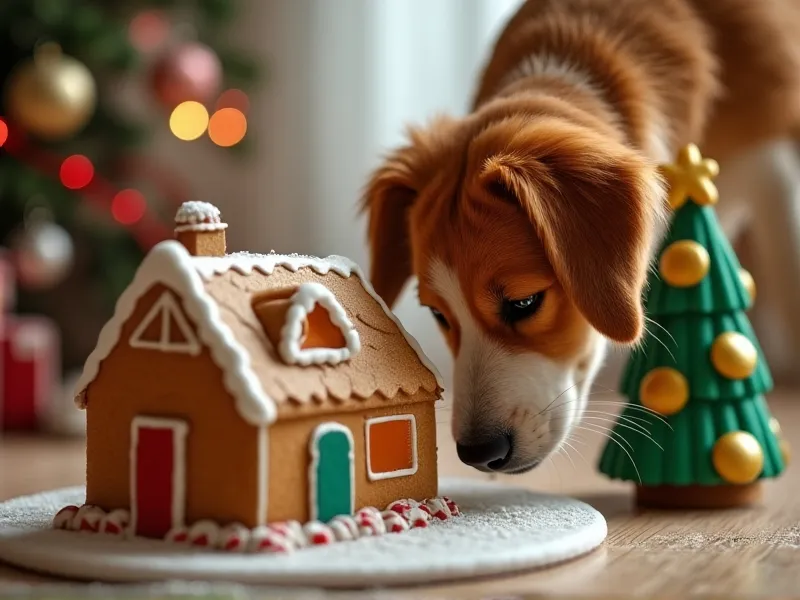
Table of Contents
- Can Dogs Eat Gingerbread Houses? The Short Answer
- Potential Benefits of Gingerbread House Ingredients (Spoiler: They’re Minimal)
- Risks of Feeding Gingerbread Houses to Dogs: Why the Treat Isn’t Worth It
- How Much Gingerbread House (If Any) Is Safe for Dogs?
- Healthier Alternatives to Gingerbread Houses for Dogs
- FAQ: Dogs and Gingerbread Houses
- Conclusion: Prioritize Your Dog’s Health This Holiday Season
- References
Can Dogs Eat Gingerbread Houses? The Short Answer
No, dogs should not eat gingerbread houses. While a tiny crumb here or there is unlikely to cause severe harm, the combination of sugar, spices, raw dough, and decorative toppings makes gingerbread houses unsafe for our canine companions. Even “plain” gingerbread (without decorations) is high in sugar and often contains ingredients that can upset your dog’s stomach or pose long-term health risks.
Think of it this way: Gingerbread houses are designed for humans, not hounds. Let’s unpack why they’re a no-go—starting with the few (very limited) potential benefits.
Potential Benefits of Gingerbread House Ingredients (Spoiler: They’re Minimal)
Gingerbread houses are made with a mix of flour, sugar, molasses, ginger, cinnamon, and often butter or oil, plus decorations like candy, sprinkles, or chocolate. At first glance, a few ingredients might sound harmless (or even beneficial), but context matters. Here’s the breakdown:
Ginger: A Hint of Potential, But Not in Gingerbread Form
Ginger itself is not toxic to dogs. In fact, small amounts of fresh, plain ginger may offer mild benefits:
- Anti-inflammatory properties: Ginger contains gingerol, which may help reduce inflammation (though research in dogs is limited).
- Digestive aid: Ginger can soothe an upset stomach or nausea in humans, and some vets recommend tiny amounts (e.g., ¼ teaspoon of fresh ginger grated into food) for dogs with mild digestive issues.
But here’s the catch: Gingerbread uses dried ginger (a more concentrated spice) and mixes it with sugar, molasses, and other ingredients. The tiny amount of ginger in a gingerbread house is overshadowed by the sugar and other risks.
Other Ingredients: No Real Benefits for Dogs
- Flour: Plain flour isn’t toxic, but it’s empty calories for dogs. They don’t need refined carbs, and raw flour (in uncooked dough) can carry bacteria like E. coli.
- Molasses: High in sugar and iron, but dogs get all the iron they need from their regular diet. Excess sugar negates any minor nutrient benefits.
- Cinnamon: Small amounts of cinnamon are generally safe for dogs, but large doses can irritate the mouth or stomach (more on that later).
In short: The “benefits” of gingerbread house ingredients are negligible. The risks, however, are very real.
Risks of Feeding Gingerbread Houses to Dogs: Why the Treat Isn’t Worth It
Gingerbread houses are a perfect storm of holiday hazards for dogs. Let’s break down the biggest risks, from immediate dangers to long-term health issues.
1. Sugar Overload: A Recipe for Obesity, Diabetes, and Dental Disaster
Sugar is the primary culprit in gingerbread houses—and it’s toxic to dogs in excess. Here’s why:
- Obesity: Dogs that consume sugary treats regularly are at risk of weight gain, which leads to joint pain, heart disease, and a shorter lifespan. A single gingerbread cookie (or house piece) has ~5–10g of sugar—way more than a dog needs in a day (their diet should have <10% of calories from sugar, per the Association of American Feed Control Officials).
- Diabetes: Chronic sugar intake can disrupt a dog’s blood sugar regulation, increasing the risk of type 2 diabetes.
- Dental decay: Sugar feeds harmful bacteria in your dog’s mouth, leading to plaque, tartar, and cavities.
Even “sugar-free” gingerbread is a red flag: It may contain xylitol, a sugar substitute that’s extremely toxic to dogs. Xylitol causes a rapid insulin release, leading to hypoglycemia (low blood sugar), seizures, liver failure, or death—even in small amounts (as little as 0.1g per pound of body weight). Always check labels for xylitol!
2. Raw Dough: A Hidden Danger
If your dog gets into uncooked gingerbread dough, the risks escalate. Raw dough contains yeast, which ferments in a dog’s warm stomach, producing ethanol (alcohol) and carbon dioxide. This can cause:
- Bloat (gastric dilatation-volvulus): Carbon dioxide gas traps air in the stomach, causing it to expand. In severe cases, the stomach can twist, cutting off blood flow—a life-threatening emergency.
- Alcohol poisoning: Ethanol absorption leads to symptoms like vomiting, diarrhea, coordination loss, seizures, or coma.
3. Spices: Irritating in Large Doses
Gingerbread often includes spices like cinnamon, nutmeg, or cloves. While small amounts are generally safe, large doses can irritate a dog’s digestive tract:
- Cinnamon: Too much can cause mouth irritation, vomiting, or diarrhea.
- Nutmeg: Toxic in large amounts (though gingerbread rarely uses enough to be lethal, it’s still unnecessary).
4. Decorations: The Most Dangerous Part
The decorations on a gingerbread house are often the biggest risk. Common toppings include:
- Chocolate: Even a small piece of dark chocolate (or baking chocolate) is toxic to dogs, as it contains theobromine. Symptoms include vomiting, diarrhea, rapid heart rate, or seizures.
- Candy canes: High in sugar, and the sharp, hard texture poses a choking hazard or can damage teeth.
- Sprinkles/gumdrops: More sugar, plus artificial colors and flavors that can upset your dog’s stomach.
- Hard candy or small decorations: Choking hazards, especially for small dogs.
Bottom line: Any “benefits” of ginger in gingerbread are微不足道 compared to the sugar, decorations, and other risks. It’s simply not worth it.
How Much Gingerbread House (If Any) Is Safe for Dogs?
The safest amount of gingerbread house for your dog is none at all. Even a small bite (e.g., a 1x1-inch piece) could contain enough sugar to cause stomach upset, or decorations like chocolate that are toxic.
If your dog does sneak a crumb or two (we’ve all been there—holiday chaos happens!), monitor them closely for 24 hours. Signs of trouble include:
- Vomiting or diarrhea
- Lethargy or restlessness
- Increased thirst/urination (signs of high sugar)
- Panting, rapid heart rate, or seizures (severe cases, e.g., chocolate or xylitol ingestion).
If you notice any of these, contact your vet immediately.
Healthier Alternatives to Gingerbread Houses for Dogs
Just because gingerbread houses are off-limits doesn’t mean your dog has to miss out on holiday treats! Here are safe, festive alternatives:
1. Plain, Cooked Sweet Potato
Sweet potatoes are a dog-safe superfood: high in fiber, vitamins A and C, and low in sugar. Bake a small slice (no butter, salt, or spices) for a chewy, seasonal treat.
2. Apple Slices (No Seeds!)
Apples are low in calories and high in fiber. Remove the seeds (they contain small amounts of cyanide) and core, then slice for a crunchy snack.
3. Dog-Safe Ginger Treats (Homemade or Store-Bought)
If you want to share a hint of ginger, try these:
- Homemade: Mix 1 cup whole wheat flour, 1 egg, ¼ cup unsweetened applesauce, and ¼ teaspoon fresh grated ginger. Bake at 350°F for 15–20 minutes.
- Store-bought: Look for dog treats with “ginger” in the ingredients (check for no added sugar or xylitol). Brands like Zuke’s or Wellness often have seasonal options.
4. Frozen Pumpkin Bites
Pumpkin is great for digestion! Mix ½ cup plain canned pumpkin (not pie filling) with ¼ cup plain Greek yogurt (no xylitol), freeze in ice cube trays, and serve as a cool treat.
5. Commercial Holiday Dog Treats
Many pet brands make festive, dog-safe treats (e.g., “gingerbread-flavored” biscuits with no added sugar or toxic ingredients). Always check the label for xylitol, chocolate, or excessive sugar.
FAQ: Dogs and Gingerbread Houses
Got more questions? We’ve got answers!
Q: My dog ate a piece of gingerbread house—what should I do?
A: Stay calm! First, check what they ate: Did it have chocolate, xylitol, or hard decorations? If yes, call your vet or the Pet Poison Helpline (855-764-7661) immediately. If it was plain gingerbread (no decorations), monitor for vomiting, diarrhea, or lethargy. Most dogs will be fine, but contact your vet if symptoms last more than 24 hours.
Q: Is gingerbread dough more dangerous than baked gingerbread?
A: Yes! Raw dough with yeast can cause bloat or alcohol poisoning, while baked gingerbread is just high in sugar. Both are bad, but raw dough is riskier.
Q: Can dogs have a small piece of plain gingerbread (no decorations)?
A: It’s not recommended. Even plain gingerbread has sugar, which can upset their stomach or lead to long-term issues. Stick to dog-safe treats instead.
Q: Are there any gingerbread-like treats made specifically for dogs?
A: Yes! Many pet stores sell “doggy gingerbread” biscuits made with safe ingredients (e.g., whole wheat flour, molasses in small amounts, and no added sugar or spices). Always read the label to confirm no xylitol or chocolate.
Q: My dog ate a candy cane from the gingerbread house—will they be okay?
A: Candy canes are high in sugar, which may cause temporary stomach upset (vomiting/diarrhea). The hard texture could also chip a tooth or cause choking. Monitor for 24 hours; contact your vet if they can’t keep food down or seem in pain.
Conclusion: Prioritize Your Dog’s Health This Holiday Season
Gingerbread houses are a beloved holiday tradition, but they’re best kept out of your dog’s reach. The sugar, decorations, and other ingredients pose real risks—from stomach upset to life-threatening emergencies like chocolate toxicity or xylitol poisoning.
Instead of sharing your gingerbread, opt for dog-safe alternatives like sweet potato slices, apple chunks, or homemade ginger treats (with minimal sugar). Your pup will still feel included, and you’ll have peace of mind knowing they’re safe.
Remember: When in doubt, consult your vet. They can offer personalized advice based on your dog’s age, size, and health.
This holiday season, let’s focus on what matters most: snuggles, walks in the crisp air, and keeping our furry friends happy and healthy. Happy holidays!
References
- American Society for the Prevention of Cruelty to Animals (ASPCA). “People Foods to Avoid Feeding Your Pets.” aspca.org/pet-care/animal-poison-control/people-foods-avoid-feeding-your-pets
- Pet Poison Helpline. “Xylitol Toxicity in Dogs.” petpoisonhelpline.com/poison/xylitol
- American Veterinary Medical Association (AVMA). “Holiday Hazards for Pets.” avma.org/resources/pet-owners/petcare/holiday-hazards-pets
- VCA Animal Hospitals. “Ginger for Dogs: Is It Safe?” vcahospitals.com/know-your-pet/ginger-for-dogs-is-it-safe
- Cummings School of Veterinary Medicine at Tufts University. “Raw Dough Dangers for Pets.” tuftscatnip.tufts.edu/2019/07/raw-dough-dangers-pets