· 8 min read
Can Dogs Eat Garlic or Onions? The Surprising Truth Every Pet Parent Needs to Know
Picture this: You’re chopping onions for a hearty stew, and your golden retriever, Max, plants his paws on the kitchen floor, eyes wide, tail thumping like a metronome. “Just a tiny piece won’t hurt, right?” you think. After all, garlic and onions are staples in human meals—packed with flavor and even some nutrients, right? But before you toss him a scrap, let’s get one thing straight: When it comes to dogs and alliums (the family that includes garlic, onions, leeks, and chives), “tiny” doesn’t equal “safe.”
In this post, we’ll cut through the confusion, debunk myths, and give you the facts you need to keep your pup healthy. From why these kitchen staples are toxic to what to do if your dog sneaks a bite, we’ve got you covered. Let’s dive in!
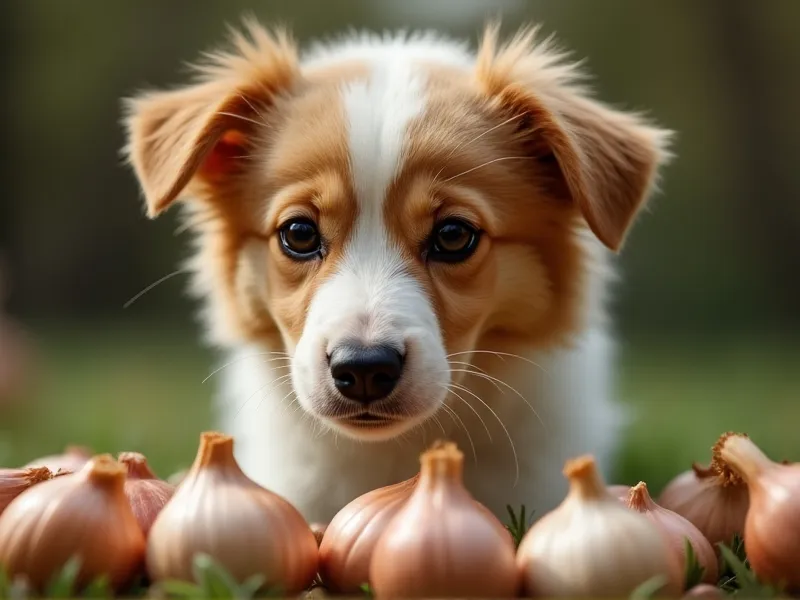
Table of Contents
- Can Dogs Eat Garlic or Onions? The Short Answer
- Understanding the Risks: Why Garlic and Onions Are Toxic to Dogs
- Debunking Myths: Are There Any Benefits to Feeding Garlic or Onions?
- How Much Is Too Much? Toxic Doses Explained
- What to Do If Your Dog Eats Garlic or Onions
- Healthier Alternatives to Garlic and Onions for Dogs
- FAQ: Your Questions Answered
- Conclusion: Prioritizing Your Dog’s Safety
Can Dogs Eat Garlic or Onions? The Short Answer
No. Dogs should not eat garlic, onions, or any other member of the allium family. Even small amounts can cause serious health problems, including a life-threatening condition called hemolytic anemia. Unlike humans, dogs lack the enzymes needed to break down certain compounds in these foods, leading to damage to their red blood cells.
If you’re thinking, “But my grandma used to give her dog garlic for fleas!” or “My dog ate a onion ring once and was fine,” we’ll tackle those myths later. For now, remember: When it comes to garlic and onions, “better safe than sorry” is the golden rule.
Understanding the Risks: Why Garlic and Onions Are Toxic to Dogs
To understand why garlic and onions are dangerous, let’s zoom in on the science. Both contain thiosulfates—compounds that are harmless to humans but toxic to dogs, cats, and other pets. Here’s how it works:
Thiosulfates: The Hidden Danger
When dogs eat garlic or onions, thiosulfates are absorbed into their bloodstream. Unlike humans, dogs can’t efficiently process these compounds. Instead, thiosulfates attach to red blood cells, causing them to rupture (a process called oxidative damage). Over time, this destroys so many red blood cells that the body can’t carry oxygen properly—a condition known as hemolytic anemia.
Symptoms of Garlic/Onion Toxicity in Dogs
Toxicity doesn’t always show up immediately. Symptoms can take 2–5 days to appear, which is why it’s critical to act fast if you suspect your dog has eaten these foods. Watch for:
- Lethargy or weakness: Your dog may seem tired, uninterested in walks, or unable to climb stairs.
- Pale gums: Healthy gums are pink; anemic gums look white or gray.
- Rapid breathing or heart rate: The body tries to compensate for low oxygen by working harder.
- Vomiting or diarrhea: Stomach upset is common, especially with larger doses.
- Dark urine: Damaged red blood cells break down, releasing hemoglobin into urine (called “hemoglobinuria”).
- Collapse or seizures: In severe cases, oxygen deprivation can lead to organ failure.
Which Forms Are Most Dangerous?
All forms of garlic and onions are risky, but some are more concentrated than others:
- Powdered garlic/onion: Found in spices, gravies, or processed foods (like chips or soups). Even a sprinkle can be toxic because the powder is highly concentrated.
- Raw onions/garlic: Raw alliums have higher levels of thiosulfates than cooked ones (though cooking doesn’t eliminate the toxin entirely).
- Cooked onions/garlic: Stews, stir-fries, or onion rings still pose a risk—heat doesn’t break down thiosulfates enough to make them safe.
- Dehydrated or pickled: These are also concentrated and should be avoided.
Debunking Myths: Are There Any Benefits to Feeding Garlic or Onions?
You might have heard claims like, “Garlic boosts a dog’s immune system!” or “Onions add fiber to their diet!” Let’s separate fact from fiction.
Myth 1: “Garlic repels fleas or ticks.”
This is a common old wives’ tale, but there’s no scientific evidence to back it up. The amount of garlic needed to “repel pests” would be far more than what’s safe for your dog. In fact, the ASPCA and VCA Animal Hospitals explicitly warn against using garlic as a flea treatment.
Myth 2: “Onions have fiber and potassium—aren’t those good for dogs?”
While onions do contain small amounts of fiber, potassium, and vitamin C, these nutrients are easily found in safer foods (think sweet potatoes, carrots, or bananas). The risk of anemia far outweighs any minor nutritional benefit.
Myth 3: “My dog ate a little and was fine—so it’s okay.”
Toxicity depends on your dog’s size, the amount eaten, and their individual sensitivity. A Chihuahua who snags a clove of garlic is at far higher risk than a Great Dane who eats the same amount. Even if your dog shows no symptoms, repeated small exposures can build up over time, leading to chronic anemia.
How Much Is Too Much? Toxic Doses Explained
Toxicity isn’t a one-size-fits-all scenario, but here’s a general guideline from the Pet Poison Helpline and VCA Animal Hospitals:
- Onions: As little as 5 grams per kilogram of body weight (about 0.2 ounces per 2.2 pounds) can cause toxicity. For a 10-pound dog, that’s just 1 ounce of onion—roughly ¼ of a medium onion.
- Garlic: Garlic is 5x more toxic than onions (due to higher thiosulfate concentration). As little as 1 gram per kilogram of body weight (0.04 ounces per 2.2 pounds) can be dangerous. For a 10-pound dog, that’s just 0.2 ounces of garlic—about a single clove.
Example: A 50-pound dog would need to eat ~2.2 ounces of onion (about ½ a medium onion) or 0.4 ounces of garlic (2–3 cloves) to risk toxicity. But remember: Smaller dogs, puppies, or dogs with pre-existing conditions (like anemia or kidney disease) are more vulnerable.
What to Do If Your Dog Eats Garlic or Onions
If you catch your dog munching on garlic bread or raiding the onion bin, stay calm—but act quickly:
Step 1: Identify the Amount and Form
Note how much they ate, what form (raw, cooked, powdered), and when. This info will help your vet assess risk.
Step 2: Contact Your Vet or Pet Poison Helpline Immediately
Even if your dog seems fine, call your vet. They may recommend:
- Inducing vomiting: If the ingestion happened within 1–2 hours, your vet might give hydrogen peroxide to expel the toxin.
- Activated charcoal: This can bind to the toxin and prevent absorption (but only under veterinary supervision).
- Blood work: To check red blood cell count and monitor for anemia.
- Supportive care: IV fluids, oxygen therapy, or blood transfusions in severe cases.
Step 3: Monitor for Symptoms
Keep a close eye on your dog for 2–5 days. If you notice pale gums, lethargy, or dark urine, head to the vet immediately.
Healthier Alternatives to Garlic and Onions for Dogs
Just because garlic and onions are off-limits doesn’t mean your dog can’t enjoy flavorful, nutrient-rich treats. Here are safe, dog-friendly alternatives:
1. Fresh Herbs (in moderation)
- Parsley: Adds a fresh, grassy flavor and is rich in vitamins A and C. Sprinkle a pinch on their kibble!
- Basil: A fragrant herb with antioxidants—safe in small amounts.
- Rosemary: Contains iron and calcium; a tiny sprinkle can liven up homemade dog treats.
2. Veggies That Add Crunch and Nutrition
- Carrots: Crunchy, low-calorie, and packed with beta-carotene (great for eyesight).
- Sweet potatoes: Rich in fiber, potassium, and vitamin B6—bake them into fries for a tasty snack.
- Green beans: High in fiber and low in calories; steam them for a healthy side.
3. Safe Flavor Boosters
- Bone broth: Simmered from chicken or beef bones (no onions/garlic!), it adds moisture and flavor to kibble.
- Pumpkin puree: Unsweetened pumpkin is high in fiber and helps with digestion.
- Blueberries: A sweet, antioxidant-rich treat—perfect for training rewards.
FAQ: Your Questions Answered
Q: My dog ate a single onion ring—should I panic?
A: Panic isn’t helpful, but call your vet. A single ring might not be toxic for a large dog, but a small dog (e.g., a 5-pound Yorkie) could be at risk. Your vet can help you assess based on their size and the ring’s onion content.
Q: Are cooked onions safer than raw ones?
A: No. Cooking reduces thiosulfate levels slightly, but not enough to make them safe. Even caramelized onions or onion soup are risky.
Q: What’s the difference between garlic and onion toxicity?
A: Both cause hemolytic anemia, but garlic is more concentrated (5x more toxic than onions). This means smaller amounts of garlic pose a higher risk.
Q: Can dogs eat garlic bread?
A: No. Garlic bread contains garlic (toxic) and often butter, salt, or garlic powder—all of which are bad for dogs.
Q: How long does it take for symptoms to show up?
A: Symptoms typically appear 2–5 days after ingestion, but can take up to a week in some cases. This is why prompt vet care is critical, even if your dog seems fine.
Conclusion: Prioritizing Your Dog’s Safety
At the end of the day, garlic and onions belong in human meals—not your dog’s bowl. While it’s tempting to share table scraps, the risk of hemolytic anemia is simply too high. Instead, opt for the safe, flavorful alternatives we’ve listed—your pup will thank you with wagging tails and healthy energy.
If you ever unsure about a food, remember: When in doubt, call your vet. They’re your best resource for keeping your furry friend happy and healthy.
Here’s to many more meals (and treats!) that keep your dog safe, satisfied, and by your side for years to come.
Sources:
- American Society for the Prevention of Cruelty to Animals (ASPCA). “Toxic and Non-Toxic Plants: Onion.” aspca.org
- VCA Animal Hospitals. “Onion and Garlic Poisoning in Dogs.” vcahospitals.com
- Pet Poison Helpline. “Onion Toxicity in Dogs.” petpoisonhelpline.com
Disclaimer: This article is for informational purposes only and not a substitute for professional veterinary advice. Always consult your vet before introducing new foods to your dog’s diet.