· 8 min read
Can Dogs Eat Garlic Cloves? The Surprising Truth Every Pet Parent Needs to Know
You’re dicing garlic for tonight’s stir-fry, and your dog—ever the kitchen companion—nuzzles your hand, tail thumping, eyes pleading for a bite. “It’s just a little garlic,” you think. “Humans eat it all the time for health benefits, so maybe it’s okay for them too?” If you’ve ever wondered whether garlic cloves are safe for dogs, you’re not alone. Garlic is a staple in human diets, praised for its flavor and nutrients, but when it comes to our furry friends, the answer isn’t as straightforward.
In this guide, we’ll cut through the confusion: Can dogs eat garlic cloves? We’ll explore the potential risks (spoiler: they’re significant), debunk myths about “benefits,” and share safer alternatives to keep your pup happy and healthy. Let’s dive in.
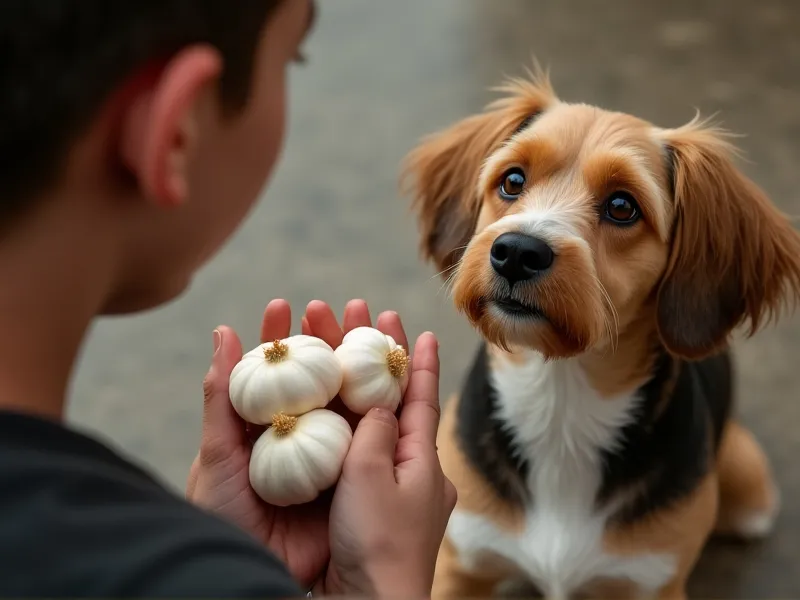
Table of Contents
- Can Dogs Eat Garlic Cloves? The Short Answer
- What Do Garlic Cloves Contain? (And Why Humans Love Them)
- The Hidden Risks of Garlic for Dogs: Why It’s More Dangerous Than You Think
- How Much Garlic Is “Safe” for Dogs? Spoiler: Probably None
- Healthier Alternatives to Garlic for Your Dog
- FAQ: Your Garlic Questions Answered
- Conclusion: Keep Garlic Out of Your Dog’s Bowl
Can Dogs Eat Garlic Cloves? The Short Answer
No, dogs should not eat garlic cloves.
Despite garlic’s popularity in human cuisine, it’s toxic to dogs. Garlic (and its relatives, like onions, leeks, and chives) contains compounds called thiosulfates, which dogs cannot digest properly. These compounds damage red blood cells, leading to a serious condition called hemolytic anemia, where the body can’t carry oxygen efficiently. Even small amounts of garlic can pose risks, and larger doses can be life-threatening.
If you’re thinking, “But I’ve heard people give garlic to dogs for fleas!”—we’ll address that myth later. For now, the bottom line: garlic is not safe for your pup, and the risks far outweigh any unproven “benefits.”
What Do Garlic Cloves Contain? (And Why Humans Love Them)
Before we dive into the risks, let’s understand why garlic is a kitchen favorite for humans. Garlic is packed with nutrients that we benefit from, including:
- Allicin: A compound with antioxidant and anti-inflammatory properties (though it’s unstable and breaks down when cooked).
- Fiber: Supports digestion and gut health.
- Potassium: Helps regulate blood pressure and muscle function.
- Vitamins C and B6: Boost immunity and brain health.
For humans, these nutrients make garlic a “superfood.” But here’s the catch: dogs process food differently than we do. The same compounds that make garlic healthy for us can be harmful to our four-legged friends.
Key point: While garlic has benefits for humans, dogs lack the enzymes needed to safely metabolize its toxic components. So those “health perks” don’t translate—and the risks are very real.
The Hidden Risks of Garlic for Dogs
Now, let’s break down the specific dangers garlic poses to dogs. Even a single clove can cause problems, depending on your dog’s size, weight, and overall health. Here’s what to watch for:
1. Hemolytic Anemia: The Most Serious Risk
Garlic contains thiosulfates, which trigger a reaction in a dog’s red blood cells, causing them to rupture (a process called heinz body anemia). Red blood cells carry oxygen throughout the body, so when they break down, your dog can’t get the oxygen they need.
Symptoms of hemolytic anemia include:
- Lethargy or weakness
- Pale gums
- Rapid breathing or panting
- Dark, discolored urine (from broken blood cells)
- Loss of appetite
- Jaundice (yellowing of the skin, eyes, or gums)
If left untreated, this can lead to organ failure or even death.
2. Gastrointestinal Upset
Even if anemia doesn’t develop, garlic can irritate your dog’s stomach and intestines. This is especially true for small dogs or those with sensitive tummies.
Common GI symptoms after garlic ingestion:
- Vomiting
- Diarrhea
- Abdominal pain (your dog may whine, pace, or refuse to eat)
- Nausea (excessive drooling, lip-smacking)
3. Choking Hazard
Whole garlic cloves are small, hard, and round—perfect for getting stuck in a dog’s throat, especially if they gulp their food. Puppies, small breeds, and dogs who “inhale” treats are at higher risk. A choking clove can block the airway, which is a life-threatening emergency.
4. Toxicity in Processed Forms, Too
It’s not just fresh garlic: garlic powder, garlic salt, and even “natural” supplements (like garlic pills for fleas) are also dangerous. In fact, processed garlic is often more concentrated than fresh cloves, making it even more toxic. For example, 1 teaspoon of garlic powder is equivalent to about 8–10 fresh cloves—way more than enough to harm a small dog.
How Much Garlic Is “Safe” for Dogs? Spoiler: Probably None
You might be thinking, “What if I only give a tiny piece? Like, a crumb?” Let’s look at the science.
Veterinary toxicologists estimate that as little as 15–30 grams of garlic per kilogram of body weight can cause anemia in dogs. To put that in perspective:
- A 5-pound Chihuahua would only need to eat ~34 grams (about 7–8 cloves) to risk toxicity.
- A 50-pound Labrador would need ~340 grams (about 70 cloves) for severe poisoning.
But here’s the problem: even smaller amounts can cause low-level damage over time. Repeated exposure (e.g., adding a “pinch” of garlic to your dog’s food daily) can lead to chronic anemia, which may not show symptoms until it’s advanced.
The American Society for the Prevention of Cruelty to Animals (ASPCA) and the American Veterinary Medical Association (AVMA) both list garlic as toxic to dogs. There’s no “safe” threshold, and most vets agree: it’s better to avoid garlic entirely.
Myth Busting: “Garlic Repels Fleas”
You may have heard old advice that garlic keeps fleas away. This is a dangerous myth. There’s no scientific evidence that garlic repels fleas, and even if it did, the risk of anemia isn’t worth it.
Instead, use vet-recommended flea preventatives (topical treatments, oral meds, or collars). They’re safe, effective, and won’t harm your dog.
Healthier Alternatives to Garlic for Your Dog
If you want to boost your dog’s diet with nutrients, skip the garlic and try these safe, dog-friendly alternatives:
1. Fresh Parsley
Parsley is a natural breath freshener (no more doggy kisses!) and contains vitamins A, C, and K. Chop a small handful and mix it into your dog’s food—just avoid large amounts, as it can cause stomach upset in some pups.
2. Carrots
Crunchy, low-calorie, and packed with fiber and vitamin A, carrots are a great snack. They also help clean your dog’s teeth!
3. Pumpkin (Plain, Unsweetened)
Canned pumpkin (not pie filling!) is rich in fiber and beta-carotene, which supports eye health. It’s also great for soothing upset tummies.
4. Blueberries
These tiny berries are loaded with antioxidants and vitamins. They’re a low-sugar treat that most dogs love frozen on hot days.
5. Spinach
A small amount of cooked spinach adds iron, folate, and fiber. Avoid raw spinach (it contains oxalates, which can interfere with calcium absorption in large amounts).
FAQ: Your Garlic Questions Answered
Q: My dog ate a garlic clove! What should I do?
A: Stay calm. If it’s within 2 hours of ingestion, call your vet—they may recommend inducing vomiting to remove the garlic from your dog’s stomach. If more than 2 hours have passed, monitor for symptoms (lethargy, vomiting, pale gums) and contact your vet immediately if you notice anything unusual.
Q: Is garlic powder safer than fresh garlic?
A: No! Garlic powder is more concentrated, so a small amount can be just as toxic as fresh cloves. Avoid all forms: powder, salt, paste, or supplements.
Q: What if my dog ate food with garlic (like pizza crust or soup)?
A: It depends on the amount. A single bite of pizza with a garlicky sauce is unlikely to harm a large dog, but a small dog who eats a slice could get sick. When in doubt, call your vet—they can help you assess the risk based on your dog’s size and the amount ingested.
Q: Can dogs eat other “alliums” like onions or leeks?
A: No. Onions, leeks, chives, and shallots are all part of the allium family and contain the same toxic thiosulfates as garlic. They’re equally dangerous.
Q: Are there any dogs who can safely eat garlic?
A: No. All dogs—regardless of breed, age, or health—are at risk of garlic toxicity. Puppies, senior dogs, and dogs with anemia or liver disease are especially vulnerable.
Conclusion: Keep Garlic Out of Your Dog’s Bowl
Garlic may be a staple in human cooking, but it has no place in your dog’s diet. The risk of anemia, stomach upset, and choking far outweigh any unproven benefits.
If you want to treat your dog, stick to safe snacks like carrots, blueberries, or parsley. And if your dog accidentally eats garlic, don’t panic—call your vet right away.
Remember, when it comes to your pet’s health, it’s always better to be safe than sorry. Your dog relies on you to make the best choices, and skipping the garlic is one easy way to keep them happy and healthy for years to come.
References
- American Society for the Prevention of Cruelty to Animals (ASPCA). “Toxic and Non-Toxic Plants: Garlic.” aspca.org
- American Veterinary Medical Association (AVMA). “Onions, Garlic, Chives, and Leeks: Toxic to Pets.” avma.org
- PetMD. “Garlic Poisoning in Dogs.” petmd.com
- Veterinary Information Network (VIN). “Allium Toxicity in Dogs and Cats.” vin.com