· 8 min read
Can Dogs Eat Garbanzos? A Pet Parent’s Guide to Chickpeas & Your Pup
Picture this: You’re munching on a crunchy salad topped with garbanzos, or maybe dipping veggies into hummus, when your dog trots over. Their tail wags, nose twitching, as they lock eyes with you—“Share?” they seem to say. Garbanzos (also called chickpeas) are a staple in human diets, packed with fiber and protein. But can dogs safely join in on the chickpea fun?
If you’ve ever wondered whether garbanzos are a dog-friendly snack, you’re not alone. Let’s dive into the details: Are garbanzos safe for dogs? What benefits do they offer? And what risks should you watch for?
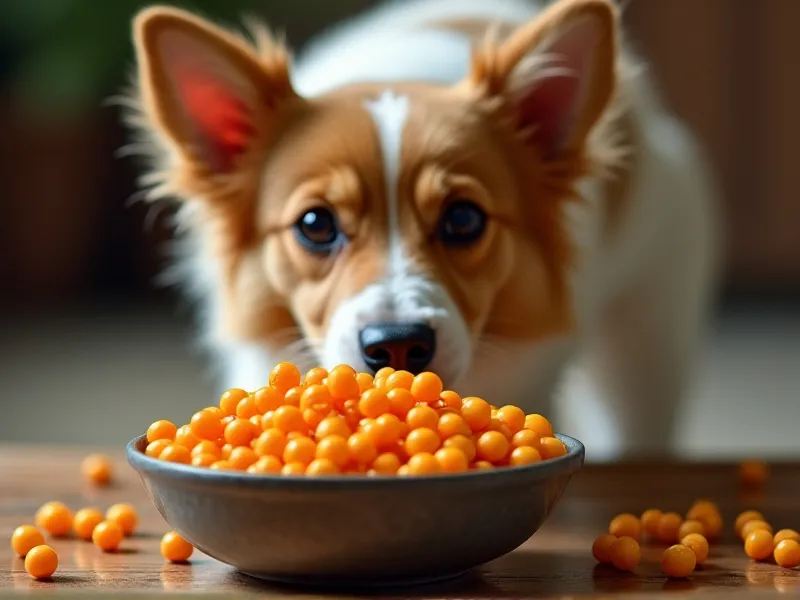
Table of Contents
- Can Dogs Eat Garbanzos? The Short Answer
- Nutritional Benefits of Garbanzos for Dogs
- Potential Risks of Feeding Garbanzos to Dogs
- How to Safely Feed Garbanzos to Your Dog
- Healthier Alternatives to Garbanzos
- FAQ: Your Garbanzo Questions Answered
- Conclusion: Moderation is Key
Can Dogs Eat Garbanzos? The Short Answer
Yes, dogs can eat garbanzos—but only in moderation, and with careful preparation. When cooked, plain, and served in small amounts, garbanzos can be a healthy occasional treat for most dogs. However, raw garbanzos, seasoned varieties, or excessive portions pose risks, so it’s important to follow guidelines.
The ASPCA does not list garbanzos as toxic to dogs, and organizations like the American Kennel Club (AKC) note that legumes like chickpeas can be a nutrient-dense addition to a balanced diet when fed responsibly. But as with any human food, context matters: preparation, portion size, and your dog’s individual health all play a role.
Nutritional Benefits of Garbanzos for Dogs
Garbanzos are more than just a tasty snack—they’re a nutritional powerhouse for humans, and some of those benefits extend to dogs, too. Here’s why they might deserve a spot in your pup’s treat rotation (in moderation):
1. Fiber for Digestive Health
Garbanzos are rich in dietary fiber (about 6 grams per ½ cup cooked), which helps support healthy digestion. Fiber can regulate bowel movements, prevent constipation, and even support gut bacteria. For dogs prone to occasional digestive upsets, a small serving of cooked garbanzos may help keep things “moving” smoothly—though too much fiber can backfire (more on that later).
2. Plant-Based Protein
While dogs thrive on animal-based protein, plant proteins like garbanzos can complement their diet. A ½ cup of cooked garbanzos contains about 7 grams of protein, which helps maintain muscle mass and energy levels. This can be especially useful for active dogs or as a protein boost in homemade meals (always consult a vet before altering your dog’s diet).
3. Essential Vitamins & Minerals
Garbanzos are packed with key nutrients:
- Potassium: Supports heart health and muscle function.
- Iron: Aids in red blood cell production (critical for oxygen transport).
- Vitamin B6: Helps with brain development and hormone regulation.
- Magnesium: Supports bone health and nerve function.
- Folate: Important for cell repair and growth (especially for puppies).
4. Low in Fat, No Cholesterol
Unlike some high-fat treats (looking at you, cheese!), garbanzos are low in fat (about 2 grams per ½ cup cooked) and contain no cholesterol. This makes them a good option for dogs watching their weight—again, as long as portions are controlled.
Potential Risks of Feeding Garbanzos to Dogs
While garbanzos offer benefits, they’re not without risks. Here’s what to watch for:
1. Digestive Upset (Bloating, Gas, Diarrhea)
Dogs’ digestive systems aren’t designed to handle large amounts of fiber, and garbanzos are high in fiber. Overfeeding can lead to bloating, excessive gas, or diarrhea—none of which are fun for you or your pup. This is especially true for dogs with sensitive stomachs or those new to garbanzos.
2. Choking Hazard (Raw or Whole Garbanzos)
Raw garbanzos are hard and dry, making them a choking risk—especially for small dogs or dogs who gulp their food. Even cooked garbanzos, if served whole, can get stuck in a dog’s throat. Always mash or chop them into small pieces for safety, or opt for canned garbanzos (rinsed!) which are softer.
3. Added Ingredients (Salt, Spices, Oil)
Most store-bought garbanzos (canned or roasted) come with added salt, oil, or spices like garlic, onion, or paprika. Salt is toxic to dogs in large amounts (it can cause sodium ion poisoning), and ingredients like garlic or onion are highly toxic (they damage red blood cells). Always choose plain, unsalted, cooked garbanzos—no exceptions.
4. High Carb Content
Garbanzos are starchy, with about 20 grams of carbs per ½ cup cooked. For dogs with diabetes or insulin resistance, this can spike blood sugar levels. If your dog has diabetes, skip the garbanzos and ask your vet for low-carb treat options.
5. Allergies (Rare but Possible)
While rare, some dogs may be allergic to legumes like garbanzos. Symptoms include itching, redness, swelling, or digestive issues (vomiting, diarrhea). If you notice these after feeding garbanzos, stop immediately and consult your vet.
How to Safely Feed Garbanzos to Your Dog
If you want to share garbanzos with your pup, follow these guidelines to keep them safe:
1. Cook Them Thoroughly
Raw garbanzos contain lectins, a protein that can irritate the gut and interfere with nutrient absorption. Cooking destroys lectins, making garbanzos easier to digest. Boil or pressure-cook them in plain water (no salt, oil, or spices) until soft.
2. Rinse Canned Garbanzos
Canned garbanzos are convenient, but they’re often packed in saltwater. Always rinse them thoroughly under cold water to remove excess sodium. Aim for “no salt added” canned versions when possible.
3. Mash or Chop (Avoid Whole)
To prevent choking, mash cooked garbanzos into a paste or chop them into small, bite-sized pieces. This is especially important for small breeds (e.g., Chihuahuas, Yorkies) or dogs who eat quickly.
4. Control Portions
Garbanzos should be a treat, not a meal. The general rule: treats should make up no more than 10% of your dog’s daily calories. Here’s a rough guide based on weight:
- Small dogs (5–20 lbs): 1–2 tablespoons of cooked, mashed garbanzos per day.
- Medium dogs (20–50 lbs): 2–3 tablespoons per day.
- Large dogs (50+ lbs): 3–4 tablespoons per day.
- Senior or overweight dogs: Stick to the lower end of the range, or skip altogether if advised by your vet.
5. Introduce Slowly
If your dog has never had garbanzos, start with a tiny portion (1–2 teaspoons) and monitor for 24 hours. Watch for gas, diarrhea, or vomiting—if any occur, stop feeding and consult your vet.
Healthier Alternatives to Garbanzos
If you’re hesitant to feed garbanzos, or your dog didn’t love them, these snacks are often easier to digest and lower in risk:
1. Green Beans
Low in calories, high in fiber, and crunchy—green beans are a vet favorite! They’re packed with vitamins A, C, and K, and most dogs love them raw or steamed.
2. Carrots
Crunchy, sweet, and full of beta-carotene (which converts to vitamin A), carrots support eye health and are great for teething puppies.
3. Sweet Potatoes
Cooked sweet potatoes are rich in fiber, vitamins, and antioxidants. They’re gentler on the stomach than garbanzos and make a great occasional treat (mashed or diced).
4. Pumpkin (Plain, Canned)
Plain, unsweetened pumpkin is a go-to for digestive health—it’s high in fiber and helps soothe upset tummies. Just avoid pumpkin pie filling (it has sugar and spices!).
5. Blueberries
Tiny, low-calorie, and packed with antioxidants, blueberries are a perfect training treat. They’re also safe for dogs with diabetes (in moderation).
FAQ: Your Garbanzo Questions Answered
Can dogs eat hummus?
No. Most hummus contains garlic, onion, olive oil, or spices—all of which are unsafe for dogs. Garlic and onion damage red blood cells, leading to anemia, while oil can cause pancreatitis. Stick to plain, cooked garbanzos instead.
Are garbanzos good for dogs with kidney disease?
Probably not. Garbanzos are high in potassium, which can be harmful to dogs with kidney disease (damaged kidneys can’t filter excess potassium, leading to hyperkalemia). Ask your vet for kidney-friendly treats.
Can puppies eat garbanzos?
Yes, but introduce slowly. Puppies have sensitive stomachs, so start with a tiny portion (1 teaspoon) of mashed, cooked garbanzos. If they tolerate it, you can gradually increase (but keep it small—puppies need nutrient-dense puppy food, not treats).
My dog ate raw garbanzos—what should I do?
Monitor for choking or digestive issues. Raw garbanzos are hard and may cause blockages or stomach upset. If your dog is gagging, vomiting, or lethargic, contact your vet immediately.
Can garbanzos help my dog lose weight?
Maybe, in small amounts. Since they’re low in fat and high in fiber, garbanzos can help dogs feel full with fewer calories. But they’re still calorie-dense (about 120 calories per ½ cup), so overfeeding will backfire. Always consult your vet for a weight-loss plan.
Conclusion: Moderation is Key
So, can dogs eat garbanzos? Yes—but as an occasional, carefully prepared treat. Cooked, plain, and portioned correctly, garbanzos can offer fiber, protein, and nutrients. But they’re not a substitute for a balanced dog food, and overfeeding can lead to digestive chaos.
If your dog has health issues (diabetes, kidney disease, sensitive stomach), or if you’re unsure, always check with your vet first. And remember: the best treats are those that keep your dog happy, healthy, and tail-wagging.
Next time you’re snacking on garbanzos, feel free to share a tiny, mashed portion with your pup—just skip the hummus, and keep the salt shaker away. Your dog (and their stomach) will thank you!
Sources:
- American Kennel Club (AKC): “Can Dogs Eat Chickpeas?”
- ASPCA: Toxic and Non-Toxic Plants/Foods
- PetMD: “Human Foods Dogs Can and Can’t Eat”
- Veterinary Nutritionist Dr. Jennifer Coates: “Legumes in Dog Food: Are They Safe?”