· 10 min read
Can Dogs Eat Fruity Pebbles? The Sweet Truth Every Pet Parent Needs to Know
Picture this: It’s a lazy Saturday morning, and you’re settling in with a bowl of your childhood favorite—Fruity Pebbles. The bright, rainbow-colored cereal crunches satisfyingly as you take a bite… and then you feel it. A wet nose nudges your hand, followed by a pair of big, soulful eyes staring up at you, begging for a taste. Your dog, ever the opportunist, has zeroed in on the sugary, crunchy goodness in your bowl.
As a pet parent, it’s natural to want to share the little joys of life with your furry friend. But before you toss them a handful of those neon pebbles, you pause: Is this safe? Can dogs even eat Fruity Pebbles?
You’re not alone in wondering. With so many human foods floating around our kitchens, it’s hard to keep track of what’s dog-friendly and what’s not. In this post, we’ll dive into the details: the risks, the (minimal) potential benefits, and whether there’s ever a time to share your cereal with your pup. Spoiler: The answer might surprise you.
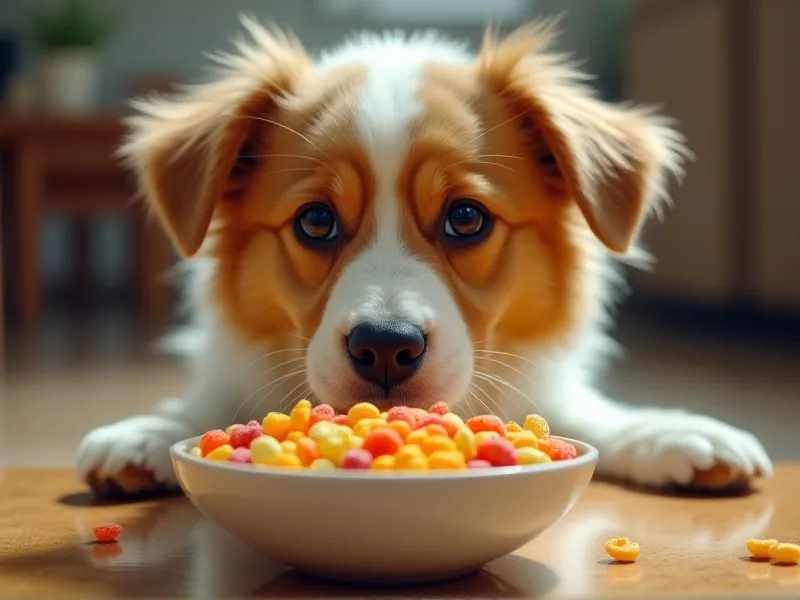
Table of Contents
- Can Dogs Eat Fruity Pebbles? The Short Answer
- Potential “Benefits” of Fruity Pebbles for Dogs (Spoiler: They’re Minimal)
- Risks of Feeding Fruity Pebbles to Dogs: Why Sugary Cereal Isn’t a Good Idea
- How Much Fruity Pebbles Is “Safe” for Dogs? (Hint: Probably None)
- Healthier Alternatives to Fruity Pebbles for Your Pup
- FAQ: Your Burning Questions About Dogs and Fruity Pebbles Answered
- Conclusion: Keep the Pebbles for Yourself, and Treat Your Dog Right
Can Dogs Eat Fruity Pebbles? The Short Answer
No, dogs should not eat Fruity Pebbles.
While a single stray piece isn’t toxic (your dog won’t drop dead if they sneak a bite), Fruity Pebbles offer zero nutritional value for dogs and come with a host of risks—from sugar overload to stomach upset. Think of it like junk food for humans:偶尔吃一口不会伤害你,但你不会把它当作日常饮食的一部分,对吧?狗狗也是一样。
Let’s break down why these colorful cereal bits are better left in your bowl.
Potential “Benefits” of Fruity Pebbles for Dogs (Spoiler: They’re Minimal)
Before we get into the risks, let’s address the elephant in the room: Could there ever be a tiny upside to sharing Fruity Pebbles with your dog? Some pet parents might argue, “But it has vitamins, right?” Let’s take a closer look.
1. Fortified Vitamins (But Not Enough to Matter)
Fruity Pebbles, like many cereals, are fortified with vitamins and minerals—think iron, thiamin, niacin, and folic acid. On paper, that sounds good! But here’s the catch: Dogs get all the vitamins and minerals they need from a balanced, high-quality dog food.
For example, a cup of Fruity Pebbles has about 10% of the daily recommended iron for humans… but your dog’s kibble is already formulated to meet their specific iron needs (which are different from ours). Adding a few cereal pieces won’t “boost” their nutrition—it’s like trying to fill a swimming pool with a teaspoon.
2. Fiber (Again, Not Necessary)
Fruity Pebbles contain a small amount of dietary fiber (about 1 gram per cup). Fiber is important for dogs’ digestion, but most commercial dog foods are already packed with fiber from ingredients like sweet potatoes, peas, or brown rice. Unless your vet has specifically recommended extra fiber for your dog (e.g., for constipation), Fruity Pebbles won’t help here.
3. Potassium (But Their Food Has More)
Potassium is an essential mineral for dogs, supporting heart health and muscle function. Fruity Pebbles do have a tiny amount (about 35mg per cup), but again: Your dog’s regular diet is already rich in potassium (from meats, bananas, and veggies like spinach). A few cereal pieces won’t move the needle.
The bottom line: Any “benefits” of Fruity Pebbles are so minimal they’re not worth the risks. Your dog’s body doesn’t need this cereal—so why feed it?
Risks of Feeding Fruity Pebbles to Dogs: Why Sugary Cereal Isn’t a Good Idea
Now, let’s talk about the real concerns. Fruity Pebbles are essentially sugar, artificial colors, and processed grains—none of which are good for your dog’s health. Here’s what you need to watch out for:
1. Sugar Overload: A Recipe for Obesity, Diabetes, and Dental Disease
Let’s start with the biggest issue: sugar. A single cup of Fruity Pebbles contains a whopping 9 grams of added sugar (that’s over 2 teaspoons!). For context, the American Kennel Club (AKC) recommends that dogs get no more than 5% of their daily calories from treats—and added sugar shouldn’t make up any of that.
- Obesity: Excess sugar turns into fat, and obesity in dogs leads to joint pain, heart disease, and a shorter lifespan.
- **Diabetes:**长期高糖饮食会降低细胞对胰岛素的敏感性,增加患2型糖尿病的风险。一旦患病,狗狗将需要终身注射胰岛素和特殊饮食。
- Dental decay: Sugar feeds harmful bacteria in your dog’s mouth, which produce acids that erode enamel. This leads to cavities, gum disease, and painful tooth loss.
2. Artificial Colors and Flavors: Unnecessary (and Potentially Risky)
Fruity Pebbles get their bright hue from artificial colors like Red 40, Yellow 6, and Blue 1. The FDA says these colors are “safe” for humans, but dogs metabolize chemicals differently than we do.
While there’s no definitive proof that artificial colors are toxic to dogs, some studies suggest they may trigger allergic reactions (like itching or rashes) in sensitive pups. Worse, artificial flavors (which give Fruity Pebbles their “berry” or “citrus” taste) are often made with byproducts or additives that have no business in a dog’s diet.
3. Stomach Upset: Diarrhea, Vomiting, and Gas
Dogs have sensitive digestive systems, and sudden introduction of sugary or processed foods can throw things off balance. If your dog eats even a small handful of Fruity Pebbles, you might notice:
- Loose stools or diarrhea
- Vomiting (especially if they ate a lot)
- Bloating or gas
Small dogs or those with sensitive tummies are at higher risk. For example, a Chihuahua who scarfs down 10 cereal pieces could end up with a very unhappy stomach.
4. Choking Hazard: Small, Hard Pieces
Fruity Pebbles are tiny, hard, and round—perfect for getting stuck in a dog’s throat, especially if they’re a small breed (like a Yorkie or Pomeranian) or tend to gulp food without chewing. Even larger dogs can choke if they inhale a few pieces at once.
5. Empty Calories: Displacing Nutritious Food
Every calorie your dog eats should count. If they fill up on Fruity Pebbles, they’ll be less likely to eat their regular, nutrient-dense dog food. Over time, this can lead to malnutrition—even if they’re technically “full.”
How Much Fruity Pebbles Is Safe for Dogs? (Hint: Probably None)
Let’s say you’re still tempted to share a tiny bite (we get it—those puppy eyes are hard to resist!). What’s the “safe” amount?
The honest answer: There’s no “safe” amount to feed regularly. Even a few pieces here and there add up over time, increasing the risk of sugar-related health issues.
If your dog does sneak a single piece (e.g., you drop one on the floor and they snap it up), don’t panic. Monitor them for 24 hours—if they act normal (no vomiting, diarrhea, or lethargy), they’ll be fine. But never make it a habit.
Healthier Alternatives to Fruity Pebbles
Instead of sharing your sugary cereal, opt for these dog-safe treats that are both tasty and good for them:
1. Fresh Fruits (Nature’s Candy!)
Dogs love fruit, and many are packed with vitamins, fiber, and natural sweetness. Try:
- Blueberries: Rich in antioxidants (great for brain health!).
- Bananas: High in potassium and fiber (a small slice is a perfect treat).
- Apples (without seeds): Crunchy and full of vitamin C (remove the core—seeds contain tiny amounts of cyanide, which is toxic in large doses).
- Watermelon (seedless): Hydrating and low in calories (perfect for summer!).
2. Plain Oatmeal
Oatmeal is a great source of fiber and iron, and most dogs love its creamy texture. Cook a small bowl of plain, unsweetened oatmeal (no sugar or milk!) and let it cool before serving.
3. Unsweetened Cereals (In Tiny Amounts)
If you really want to share a “cereal-like” treat, go for plain, unsweetened options like:
- Cheerios (original, no honey or sugar): A few pieces make a crunchy, low-sugar snack.
- Puffed rice (no added sugar): Light and easy to digest.
4. Veggies (Crunchy and Nutritious)
Many dogs enjoy veggies as treats! Try:
- Carrot sticks: Crunchy, low-calorie, and great for dental health.
- Cucumber slices: Hydrating and refreshing.
- Green beans (cooked): Packed with fiber and vitamins.
FAQ: Your Burning Questions About Dogs and Fruity Pebbles Answered
Q: My dog stole a whole bowl of Fruity Pebbles! Should I panic?
A: Take a deep breath—Fruity Pebbles aren’t toxic, but a large amount could cause stomach upset. Monitor your dog for vomiting, diarrhea, or lethargy. If they’re acting normal, offer plenty of water to help flush out the sugar. If symptoms last more than 24 hours, call your vet.
Q: Are there any cereals that ARE safe for dogs?
A: Plain, unsweetened cereals (like original Cheerios or puffed rice) are safer in tiny amounts, but they’re still not “healthy” treats. Stick to fresh fruits, veggies, or dog-specific treats for the best nutrition.
Q: Can puppies eat Fruity Pebbles?
A: Puppies have even more sensitive digestive systems than adult dogs, and their bodies are still developing. Avoid all sugary or processed foods—stick to their puppy food and vet-approved treats.
Q: What if my dog has diabetes—can they have a few Fruity Pebbles?
A:绝对不行!糖尿病狗狗需要严格控制糖分摄入。即使少量的糖也会导致血糖飙升,危及生命。咨询你的兽医,了解适合糖尿病狗狗的安全零食。
Q: Are artificial colors in Fruity Pebbles toxic to dogs?
A: There’s no evidence that artificial colors in Fruity Pebbles are toxic to dogs, but they’re unnecessary and may trigger allergies in some pups. Why risk it?
Conclusion: Keep the Pebbles for Yourself, and Treat Your Dog Right
At the end of the day, sharing your Fruity Pebbles with your dog might seem like a harmless indulgence—but the risks (sugar overload, stomach upset, empty calories) far outweigh any fleeting joy they might get from a crunchy bite.
Your dog’s health depends on a balanced diet of high-quality dog food, plus occasional treats that actually benefit them—like fresh fruits, veggies, or dog-specific snacks. When in doubt, ask yourself: Would I feed this to a toddler? If the answer is no, don’t feed it to your dog.
And remember: Every dog is different! If you’re unsure about a new food, always check with your vet first. They know your pup’s unique needs and can guide you toward the best choices.
So next time your dog begs for a bite of your cereal, give them a blueberry or a carrot stick instead. They’ll wag their tail just as hard—and you’ll both feel good knowing you’re keeping them happy and healthy.
Sources:
- American Society for the Prevention of Cruelty to Animals (ASPCA). “People Foods to Avoid Feeding Your Pets.” aspca.org
- American Kennel Club (AKC). “Can Dogs Eat Cereal?” akc.org
- VCA Animal Hospitals. “Nutrition for Dogs.” vcahospitals.com
- U.S. Food and Drug Administration (FDA). “Food Additives: Color Additives.” fda.gov