· 8 min read
Can Dogs Eat Frozen Grapes? The Surprising Truth Every Pet Parent Needs to Know
It’s a scorching July day, and you’re savoring a bowl of icy, sweet frozen grapes—nature’s perfect summer treat. Beside you, your dog, Bella, sits patiently, tail thumping, her big brown eyes locked on your snack. “Just one little frozen grape can’t hurt, right?” you think. After all, it’s fruit, and fruit is healthy… for humans, at least. But before you toss her that chilly bite, let’s dive into the critical question: Can dogs eat frozen grapes?
As pet parents, we want nothing more than to share life’s small joys with our furry friends. But when it comes to their diet, “safe” and “healthy” aren’t always as straightforward as they seem. Grapes, in particular, have long been a source of confusion. In this post, we’ll unpack the truth about frozen grapes and dogs, from potential risks (spoiler: they’re serious) to safer alternatives that will keep Bella cool and healthy all summer long.
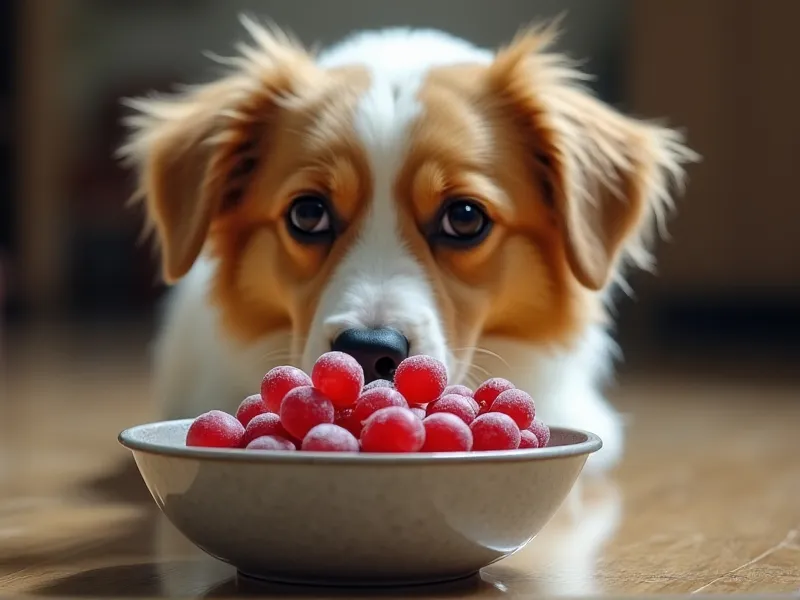
Table of Contents
- Can Dogs Eat Frozen Grapes? The Short Answer
- The “Benefits” of Grapes: What We Think vs. What’s True
- The Hidden Risks: Why Frozen Grapes Are Dangerous for Dogs
- How Much Is “Too Much”? There’s No Safe Amount
- Healthy Frozen Alternatives Your Dog Will Love
- FAQ: Your Most Pressing Questions Answered
- Conclusion: Prioritizing Your Dog’s Health (One Treat at a Time)
Can Dogs Eat Frozen Grapes? The Short Answer
No. Dogs should not eat frozen grapes—or fresh grapes, raisins, currants, or any grape-derived products. The American Society for the Prevention of Cruelty to Animals (ASPCA) explicitly lists grapes and raisins as toxic to dogs, and freezing them does not eliminate this danger.
In fact, the toxicity of grapes in dogs is so well-documented that veterinary organizations like the American Veterinary Medical Association (AVMA) and VCA Animal Hospitals strongly warn against feeding them to pets. Even a single frozen grape could pose a risk, depending on your dog’s size, breed, and individual sensitivity.
The “Benefits” of Grapes: What We Think vs. What’s True
At first glance, grapes seem like a nutrient-packed snack. They’re high in fiber, vitamins C and K, and potassium—all good for humans. So why can’t dogs reap these benefits? Let’s break down the “potential positives” and why they’re irrelevant (or even misleading) for our pups:
What Grapes Offer Humans:
- Fiber: Aids digestion and keeps you full.
- Vitamin C: Boosts immunity and collagen production.
- Potassium: Supports heart health and muscle function.
- Antioxidants: Fight inflammation and oxidative stress.
Why This Doesn’t Matter for Dogs:
Dogs have different nutritional needs than humans. For example:
- Vitamin C: Dogs synthesize their own vitamin C in their livers—they don’t need extra from food.
- Fiber: While fiber is important for dogs, there are safer sources (like pumpkin or sweet potatoes) that don’t come with toxic risks.
- Potassium: Found in abundance in dog-safe foods like bananas and spinach, which are far less risky than grapes.
In short: Any “benefit” grapes might offer is overshadowed by their potential to cause life-threatening harm.
The Hidden Risks: Why Frozen Grapes Are Dangerous for Dogs
The biggest risk of frozen grapes (or any grapes) for dogs is toxicity leading to acute kidney injury (AKI), also called kidney failure. But that’s not the only danger. Let’s unpack the risks in detail:
1. Grape Toxicity: The Silent Threat
Grapes and raisins contain an unknown toxin that damages dogs’ kidneys. Scientists haven’t yet identified the exact substance, but the link between grape ingestion and kidney failure is clear. According to VCA Animal Hospitals, even small amounts can be toxic:
- A 10-pound dog could be poisoned by just 1–2 grapes.
- A 50-pound dog might react to 10–15 grapes.
Symptoms of grape toxicity include:
- Vomiting (often within 24 hours of ingestion)
- Diarrhea (may contain blood)
- Lethargy or weakness
- Decreased appetite
- Increased thirst/urination (as kidneys struggle to filter waste)
- Abdominal pain
If left untreated, kidney failure can develop within 48–72 hours, leading to seizures, coma, or death.
Important: There’s no way to predict which dogs will be affected. Some dogs eat a handful of grapes and show no symptoms, while others get sick from a single one. Breed, size, and individual sensitivity play a role, but there’s no “safe” threshold.
2. Choking Hazard
Frozen grapes are hard and slippery—perfect for getting stuck in a dog’s throat. Small dogs, in particular, are at risk of choking or intestinal blockages if they swallow a frozen grape whole. Even if the grape doesn’t cause toxicity, a blockage requires emergency surgery and can be fatal.
3. High Sugar Content
Grapes (frozen or fresh) are loaded with natural sugar. A single cup of grapes has about 15 grams of sugar—more than a chocolate chip cookie! Over time, excess sugar can lead to:
- Obesity
- Diabetes
- Dental decay
- Pancreatitis (a painful inflammation of the pancreas)
Dogs don’t need added sugar in their diets. Their bodies are designed to thrive on protein, healthy fats, and moderate carbs—not sweet treats.
How Much Is “Too Much”? There’s No Safe Amount
Pet parents often ask: “Is one frozen grape okay?” The answer is a resounding no. There’s no established “safe dose” of grapes for dogs. As the ASPCA notes, “Even small amounts can cause kidney damage in some dogs.”
If your dog accidentally eats a frozen grape (or raisin), don’t wait for symptoms to appear. Contact your vet or an emergency animal hospital immediately. Early intervention (like inducing vomiting or administering activated charcoal) can save their kidneys.
Healthy Frozen Alternatives Your Dog Will Love
Just because frozen grapes are off-limits doesn’t mean your dog can’t enjoy a cool, refreshing treat this summer! Here are 5 dog-safe frozen snacks that are delicious, nutritious, and risk-free:
1. Frozen Blueberries
- Why it’s great: Low in sugar, high in antioxidants (like resveratrol), and tiny enough to avoid choking hazards.
- Pro tip: Toss a handful into your dog’s bowl or blend into a “blueberry slushie” with water.
2. Banana Slices
- Why it’s great: Rich in potassium, vitamin B6, and fiber. Freezing bananas makes them extra chewy and satisfying.
- Pro tip: Slice bananas into coins, freeze on a tray, and serve as a “pup-sicle.”
3. Seedless Watermelon Chunks
- Why it’s great: 92% water (perfect for hydration!) and packed with vitamins A and C.
- Pro tip: Remove rind and seeds, freeze chunks, and watch your dog go crazy for the sweet, icy crunch.
4. Frozen Pumpkin Puree
- Why it’s great: High in fiber (aids digestion) and beta-carotene (supports eye health).
- Pro tip: Spoon into ice cube trays, freeze, and serve as low-calorie treats.
5. Yogurt Drops (Plain, Unsweetened)
- Why it’s great: Probiotics support gut health, and the creamy texture is a hit with most dogs.
- Pro tip: Use plain Greek yogurt (no sugar or xylitol!), drop onto a tray, freeze, and serve sparingly (yogurt is high in lactose, so moderation is key).
FAQ: Your Most Pressing Questions Answered
Q: My dog ate a frozen grape—what should I do?
A: Call your vet immediately. Even if your dog seems fine, grape toxicity can take 24–72 hours to show symptoms (like vomiting or lethargy). Your vet may recommend inducing vomiting, giving activated charcoal, or monitoring kidney function with blood tests.
Q: Are some dog breeds more sensitive to grapes than others?
A: There’s no breed-specific pattern, but smaller dogs (like Chihuahuas or Yorkies) may be more at risk because a single grape makes up a larger percentage of their body weight. However, any dog—regardless of size, age, or breed—can be affected.
Q: What about grape juice or wine? Are those safer?
A: No—they’re more dangerous. Grape juice and wine are concentrated, meaning they contain higher levels of the toxic compound (whatever it may be). Even a sip of wine or a lick of grape juice could harm your dog.
Q: Can I give my dog “seedless” or “organic” grapes?
A: No. The type of grape (seedless, organic, green, red, or black) doesn’t matter—all grapes and raisins are toxic to dogs.
Q: My dog ate grapes before and was fine—does that mean they’re safe?
A: Not necessarily. Some dogs may tolerate small amounts without immediate symptoms, but repeated exposure could lead to cumulative kidney damage over time. It’s better to avoid grapes entirely.
Conclusion: Prioritizing Your Dog’s Health (One Treat at a Time)
At the end of the day, frozen grapes (and all grape products) are simply not worth the risk. While it’s tempting to share your snacks with your pup, their safety always comes first.
Instead of grapes, reach for the dog-safe alternatives we listed—your dog will love the icy crunch, and you’ll have peace of mind knowing you’re keeping them healthy. And if you ever have questions about a new food, always check with your vet first—they know your dog’s unique needs best.
Here’s to a summer filled with safe, tail-wagging treats… and zero frozen grapes!
References
- American Society for the Prevention of Cruelty to Animals (ASPCA). “Toxic and Non-Toxic Plants: Grapes.” aspca.org
- VCA Animal Hospitals. “Grapes and Raisins: A Deadly Treat for Dogs.” vcahospitals.com
- American Veterinary Medical Association (AVMA). “Pet Poison Helpline: Grapes and Raisins.” avma.org
- Pet Poison Helpline. “Grape and Raisin Toxicity in Dogs.” petpoisonhelpline.com