· 8 min read
Can Dogs Eat Frozen Carrots? A Pet Parent’s Guide to Safe, Crunchy Treats
It’s a sweltering summer afternoon, and your dog is sprawled on the floor, tongue lolling, looking up at you with those “I need something cool” eyes. You rummage through the freezer, spotting a bag of frozen carrots—crunchy, colorful, and human healthy. But wait: Can dogs eat frozen carrots? Are they a safe, refreshing treat, or could they pose hidden risks?
As pet parents, we’re always on the hunt for healthy, low-cost snacks to spoil our furry friends. Frozen carrots seem like a no-brainer: they’re natural, low-calorie, and readily available. But before you toss Fido a frozen carrot stick, let’s dive into the details. In this guide, we’ll answer the big question, break down the benefits and risks, share portion guidelines, and even suggest alternatives. Let’s keep your pup happy, healthy, and cool—one frozen carrot at a time.
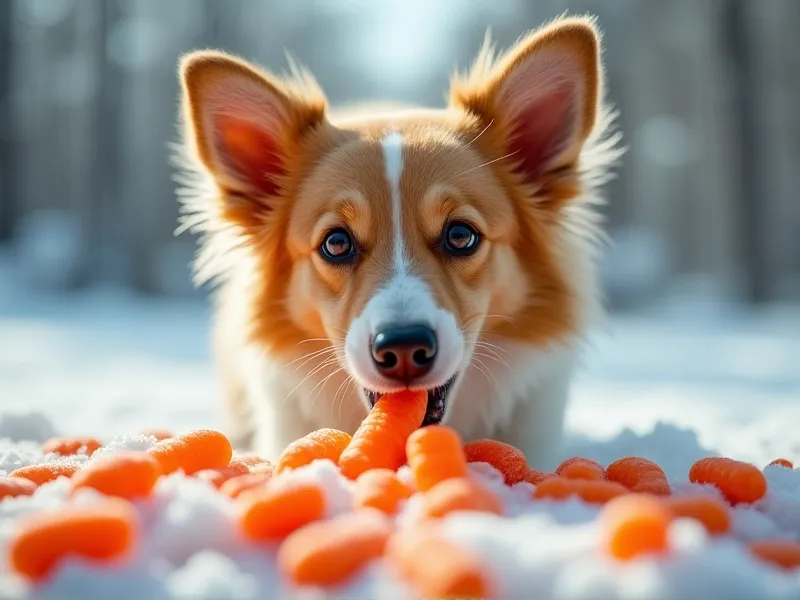
Table of Contents
- Can Dogs Eat Frozen Carrots? The Short Answer
- Benefits of Frozen Carrots for Dogs
- Potential Risks to Watch For
- How Much Frozen Carrots Can Dogs Eat? Guidelines
- Healthier Alternatives to Frozen Carrots
- FAQ: Your Questions Answered
- Conclusion: Moderation is Key
- References
Can Dogs Eat Frozen Carrots? The Short Answer
Yes, dogs can safely eat frozen carrots—in moderation. Carrots are non-toxic to dogs, and freezing them only enhances their appeal as a crunchy, cooling treat (perfect for hot days or teething puppies). They’re packed with nutrients, low in calories, and most dogs love their sweet, earthy flavor. However, like any human food, frozen carrots come with caveats: portion control, preparation tips, and awareness of potential risks. Let’s explore why frozen carrots might be a great addition to your dog’s snack rotation.
Benefits of Frozen Carrots for Dogs
Frozen carrots aren’t just a tasty treat—they’re a nutritional powerhouse. Here’s why they’re worth considering for your pup:
1. Nutrient-Rich Superfood
Carrots are loaded with vitamins and minerals that support your dog’s health:
- Vitamin A: Essential for eye health (think night vision and overall eye function), skin, and coat health. A deficiency in vitamin A can lead to dry skin, vision problems, or a dull coat—so this nutrient is a must!
- Vitamin K: Supports bone health by aiding in blood clotting and bone mineralization.
- Potassium: Important for muscle function, heart health, and maintaining healthy blood pressure.
- Fiber: Both soluble and insoluble fiber help regulate digestion, prevent constipation, and keep your dog feeling full (great for weight management).
2. Low-Calorie, Weight-Friendly
If your dog is watching their waistline, frozen carrots are a dream snack. A single medium carrot has only about 25 calories, making them a far better choice than high-fat dog biscuits or table scraps. For overweight dogs, swapping calorie-dense treats for frozen carrots can help them shed pounds without feeling deprived.
3. Cooling Summer Treat
On hot days, frozen carrots act like a “pup-sicle”—a refreshing way to help your dog cool down. The cold temperature soothes their gums and helps regulate body temperature, making them ideal for outdoor play sessions or post-walk snacks.
4. Teething Relief for Puppies
Puppies love to chew, and frozen carrots’ crunchy texture helps soothe sore gums during teething. Unlike hard chew toys, they’re edible and won’t damage their developing teeth. Just be sure to supervise young puppies to avoid choking (more on that later).
5. Dental Health Boost
Chewing on crunchy frozen carrots can help scrape plaque and tartar off your dog’s teeth, promoting better oral hygiene. While they’re no substitute for regular brushing or dental chews, they’re a tasty way to support dental health between cleanings.
Potential Risks to Watch For
While frozen carrots are generally safe, there are a few risks to keep in mind to ensure your dog stays happy and healthy:
1. Natural Sugars: Too Much of a Good Thing
Carrots contain natural sugars (about 4 grams per medium carrot), which are fine in small amounts. However, overfeeding can lead to weight gain, and in dogs with diabetes, excess sugar may spike blood glucose levels. Always stick to recommended portion sizes to avoid overloading their system.
2. Stomach Upset from Fiber Overload
Fiber is great for digestion, but introducing too much too quickly can cause gas, bloating, or diarrhea—especially in dogs with sensitive stomachs. If your dog isn’t used to high-fiber treats, start with a small piece of frozen carrot and gradually increase the amount over a few days.
3. Choking Hazard
Whole frozen carrots (or even large chunks) can pose a choking risk, especially for small dogs, puppies, or dogs who gulp their food without chewing. Carrots are firm, and if not cut properly, they can get stuck in your dog’s throat. To prevent this, always slice or dice frozen carrots into bite-sized pieces—about the size of a dime for small dogs, nickel-sized for medium dogs, and quarter-sized for large breeds.
4. Pesticide Residue (If Not Organic)
Conventionally grown carrots may have pesticide residues, which can be harmful if ingested in large amounts. To reduce this risk, opt for organic carrots when possible, or wash non-organic carrots thoroughly before freezing. Peeling them can also help remove residue, though you’ll lose some fiber and nutrients in the skin.
How Much Frozen Carrots Can Dogs Eat? Guidelines
The key to feeding frozen carrots safely is moderation. Treats (including carrots) should make up no more than 10% of your dog’s daily calorie intake. Here’s a general guide based on your dog’s size:
| Dog Size | Daily Frozen Carrot Limit (as a treat) |
|---|---|
| Small (5-20 lbs) | 1–2 baby carrots (frozen) or 1–2 slices of a medium carrot |
| Medium (20-50 lbs) | 2–3 baby carrots or 2–3 slices |
| Large (50+ lbs) | 3–4 baby carrots or 3–4 slices |
Pro Tip: Always adjust portions based on your dog’s activity level, age, and health. For example, a senior dog with limited mobility may need fewer treats than a high-energy border collie. And never replace your dog’s regular meals with carrots—they should only be a supplement to a balanced diet.
Healthier Alternatives to Frozen Carrots
If your dog isn’t a fan of carrots, or you want to mix up their treat routine, here are some equally healthy frozen alternatives:
1. Frozen Green Beans
Low in calories, high in fiber, and packed with vitamins A, C, and K. They’re even lower in sugar than carrots, making them ideal for diabetic dogs.
2. Frozen Blueberries
A superfood for dogs! Blueberries are rich in antioxidants, which support immune health, and they’re low in calories. Plus, their small size makes them safe for most dogs (no chopping needed).
3. Frozen Pumpkin (Unsweetened)
Canned or fresh pumpkin (not pie filling!) is high in fiber and beta-carotene, great for digestive health. Freeze it in ice cube trays for a creamy, soothing treat—perfect for dogs with upset tummies.
4. Frozen Cucumber
Hydrating, low-calorie, and crunchy. Cucumber is 96% water, making it a refreshing summer snack. Remove the seeds first (they’re not toxic, but some dogs find them bitter).
5. Frozen Apple Slices (No Seeds!)
Apples are a good source of fiber and vitamin C. Just be sure to remove the seeds (they contain small amounts of cyanide, which is toxic in large doses) and core before freezing.
FAQ: Your Questions Answered
Q: Can puppies eat frozen carrots?
A: Yes! Puppies can enjoy frozen carrots as a teething treat, but supervise them closely. Opt for smaller pieces (diced or sliced) to avoid choking, and start with tiny amounts to prevent stomach upset.
Q: Are cooked carrots better than frozen carrots for dogs?
A: Cooked carrots are softer and easier to digest for dogs with sensitive stomachs or dental issues, but frozen carrots retain more crunch (great for dental health and teething). Both are healthy—choose based on your dog’s needs.
Q: My dog ate too many frozen carrots—what should I do?
A: If your dog gobbled up a handful of frozen carrots, monitor them for signs of stomach upset (gas, diarrhea, vomiting). Most dogs will be fine, but contact your vet if symptoms persist for more than 24 hours or if your dog seems lethargic.
Q: Can dogs with diabetes eat frozen carrots?
A: In moderation. Carrots have natural sugars, so consult your vet first. They may recommend limiting portions or choosing lower-sugar alternatives like green beans.
Q: Are baby carrots better than regular carrots for dogs?
A: Baby carrots are just smaller, sweeter versions of regular carrots—they’re equally safe. They’re convenient for small dogs or puppies since they’re already bite-sized (but still monitor for choking!).
Conclusion: Moderation is Key
Frozen carrots are a safe, healthy treat for most dogs when given in moderation. They’re packed with nutrients, low in calories, and perfect for cooling down on hot days or soothing teething puppies. Just remember to slice them into appropriate sizes, introduce them slowly, and never overfeed.
As with any new food, every dog is different—some may love frozen carrots, while others may turn up their nose. If you’re unsure whether frozen carrots are right for your dog (especially if they have health issues like diabetes or digestive problems), consult your vet.
At the end of the day, the best treats are ones that keep your dog happy, healthy, and feeling loved. So go ahead—grab a bag of carrots, freeze them, and watch your pup enjoy their crunchy, cool snack. Your dog (and their taste buds) will thank you!
References
- American Kennel Club (AKC). “Can Dogs Eat Carrots?” akc.org
- PetMD. “Carrots for Dogs: Are They Safe?” petmd.com
- ASPCA. “People Foods to Avoid Feeding Your Pets.” aspca.org
- Veterinary Nutritionist Dr. Jennifer Coates. “The Benefits of Carrots for Dogs.” pethealthnetwork.com