· 9 min read
Can Dogs Eat Fries with Salt? The Surprising Truth Every Pet Parent Should Know
It’s a sunny Saturday afternoon, and you’re at the park with a picnic basket full of goodies: juicy burgers, cold lemonade, and a heaping pile of crispy, golden fries. As you reach for a fry, you feel a soft nudge on your knee. Looking down, you’re met with the most irresistible sight: your dog’s big, soulful eyes, wide with anticipation, and a tail wagging so hard it’s practically a metronome. “Just one fry?” they seem to beg.
We’ve all been there. Those crispy, salty fries are hard to resist—for us and our pups. But as a responsible pet parent, you pause. Is sharing that fry safe? Could a tiny taste hurt your dog, or is it harmless fun?
In this post, we’re diving into the question: Can dogs eat fries with salt? We’ll break down the risks, the (very minimal) potential benefits, how much (if any) is safe, and healthier alternatives to keep your pup happy and healthy. Let’s get started!
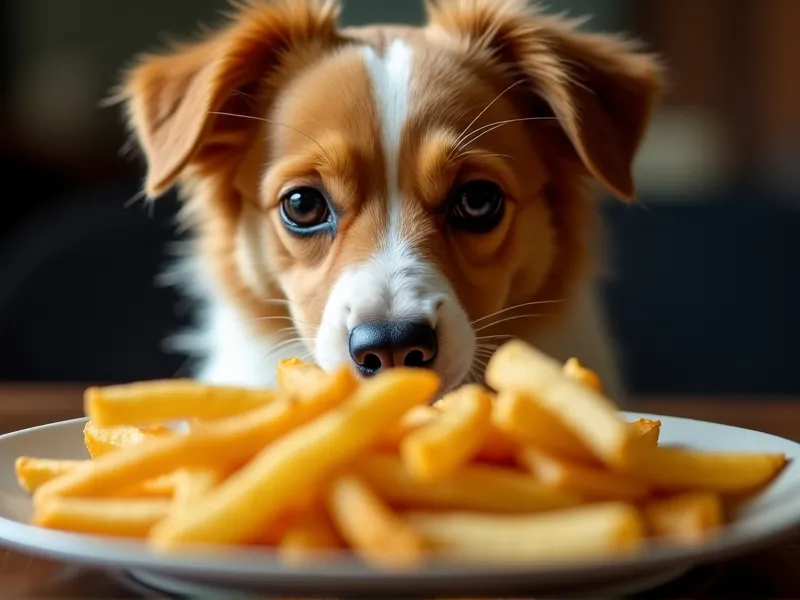
Table of Contents
- Can Dogs Eat Fries with Salt? The Short Answer
- Potential “Benefits” of Potatoes—But Why Fries Fall Short
- The Risks of Feeding Fries with Salt to Dogs
- How Much (If Any) Fries with Salt Can Dogs Safely Eat?
- Healthier Alternatives to Fries for Your Pup
- FAQ: Your Most Pressing Questions Answered
- Conclusion: Fries Are a Treat—Not a Staple
- References
Can Dogs Eat Fries with Salt? The Short Answer
Let’s cut to the chase: Dogs can technically eat a tiny amount of fries with salt without immediate toxicity, but they are not a healthy choice.
Fries are a processed, high-salt, high-fat food with little nutritional value. While one or two small fries might not send your dog to the vet, regular or large servings can lead to serious health issues. Think of fries as you would a candy bar for humans: tasty, but not something you’d feed your body (or your dog’s) regularly.
Potential “Benefits” of Potatoes—But Why Fries Fall Short
You might be thinking, “Potatoes are vegetables, right? They must have some nutrients!” It’s true—plain, unseasoned, cooked potatoes can offer small benefits. Potatoes are a source of:
- Vitamin C: Supports immune health and collagen production.
- Potassium: Helps regulate blood pressure and muscle function.
- Fiber: Aids digestion (in small amounts).
- B Vitamins: Assist with energy metabolism.
But here’s the catch: Fries are not “just potatoes.” To turn a potato into a fry, it’s typically sliced, fried in oil (often unhealthy fats like vegetable or canola oil), and doused in salt. This processing strips away most of the potato’s natural nutrients and adds a host of unhealthy ingredients.
For example, a medium baked potato (without salt or butter) has about 420mg of potassium and 3g of fiber. A medium order of fast-food fries? Just 160mg of potassium and 3g of fiber—and 350 calories, 17g of fat, and 350mg of sodium. The “benefits” are negligible compared to the risks.
The Risks of Feeding Fries with Salt to Dogs
Now, let’s talk about the real concerns: the risks of feeding fries (especially salted ones) to your dog. These go beyond “empty calories”—they can impact your pup’s short-term and long-term health.
Sodium Overload: A Hidden Danger
Salt is the biggest red flag when it comes to fries. Dogs need sodium to survive, but only in very small amounts. According to the American Kennel Club (AKC), the recommended daily sodium intake for dogs is about 200mg per kilogram of body weight. For a 50-pound (22.7kg) dog, that’s roughly 4,540mg per day—but this includes all sodium from their regular food, treats, and snacks.
A single medium order of fast-food fries can contain 300–500mg of sodium. If your dog eats even half of that, they’re consuming a significant chunk of their daily sodium limit. Too much sodium can lead to:
- Thirst and excessive urination: Your dog may drink more water than usual and need more potty breaks.
- Dehydration: If they can’t drink enough to offset the salt, dehydration can set in.
- Electrolyte imbalance: High sodium disrupts the balance of fluids and minerals in the body, leading to weakness or tremors.
- Salt toxicity (hypernatremia): In severe cases (e.g., a small dog eating a large order of fries), sodium levels spike dangerously high. Symptoms include vomiting, diarrhea, seizures, and even coma. This is a medical emergency.
High Fat Content and Pancreatitis Risk
Fries are fried in oil, making them high in fat. A medium order of fries has 15–20g of fat—that’s more than a third of the daily fat intake recommended for a 50-pound dog (who needs about 50g of fat per day, depending on activity level).
Excess fat is a major risk factor for pancreatitis in dogs. The pancreas produces enzymes to digest food; when it’s overwhelmed by fat, these enzymes can attack the pancreas itself, causing inflammation. Symptoms of pancreatitis include:
- Severe abdominal pain (your dog may hunch their back or refuse to be touched)
- Vomiting (sometimes with bile)
- Loss of appetite
- Lethargy
- Diarrhea
Pancreatitis can be mild or life-threatening, requiring hospitalization. Certain breeds (like Miniature Schnauzers) and overweight dogs are especially prone to it.
Choking Hazards and Digestive Upset
Fries are crispy and can be surprisingly hard, especially if they’re cold. For small dogs or puppies, a whole fry could get stuck in their throat, leading to choking. Even if they swallow it, the hard texture can irritate their digestive tract, causing:
- Upset stomach
- Gas
- Diarrhea
- Vomiting (especially if the fries are greasy)
Dogs have sensitive digestive systems—they’re not built to process fried, processed foods like humans are. What feels “tasty” to us can feel like a stomach bomb to them.
Empty Calories and Weight Gain
Fries are “empty calories”—they provide energy (from fat and carbs) but little to no nutritional value. If your dog regularly snacks on fries, those extra calories can add up quickly, leading to weight gain and obesity.
Obesity in dogs increases the risk of:
- Diabetes
- Joint pain (arthritis)
- Heart disease
- Respiratory issues
- Reduced lifespan
According to the Association for Pet Obesity Prevention, over 50% of dogs in the U.S. are overweight or obese. Feeding empty-calorie treats like fries only worsens this epidemic.
How Much (If Any) Fries with Salt Can Dogs Safely Eat?
The golden rule here is: Less is better, and “none” is best.
If you must share a fry (we get it—those puppy eyes are powerful!), keep it to a tiny amount:
- Small dogs (under 20 pounds): 1–2 very small fries (e.g., a 1-inch piece of a shoestring fry).
- Medium dogs (20–50 pounds): 2–3 small fries.
- Large dogs (over 50 pounds): 3–4 small fries.
But even this is a stretch. Remember: fries are high in salt and fat, so even a small serving can cause stomach upset in sensitive dogs. Never make fries a regular treat, and avoid feeding them to dogs with health issues (e.g., kidney disease, pancreatitis, or obesity).
Healthier Alternatives to Fries for Your Pup
Instead of sharing fries, treat your dog to these nutrient-dense, low-risk snacks. They’re just as tasty (to your pup!) and way better for their health:
1. Baked Sweet Potato
Sweet potatoes are a superfood for dogs! They’re rich in fiber, beta-carotene (which converts to vitamin A), and potassium. Bake a sweet potato, slice it into “fry” shapes, and let it cool. No oil, no salt—just natural goodness.
2. Carrot Sticks
Crunchy, low-calorie, and full of vitamin A, carrots are a favorite among dogs. They’re great for dental health (the crunch helps scrape plaque!) and satisfy that “crunch” craving without the fat.
3. Green Beans
Fresh or frozen green beans (steamed, not canned) are packed with fiber and vitamins. They’re low in calories, making them perfect for overweight dogs.
4. Cucumber Slices
Cool, hydrating, and low in calories, cucumber is a refreshing snack for hot days. Remove the seeds (they’re not harmful, but some dogs don’t like them), and slice into bite-sized pieces.
5. Apple Slices (No Seeds!)
Apples are a good source of fiber and vitamin C. Just remove the core and seeds (seeds contain small amounts of cyanide, which is toxic in large doses), and slice. Avoid processed applesauce (it has added sugar!).
FAQ: Your Most Pressing Questions Answered
Q: Can dogs eat sweet potato fries?
A: Sweet potato fries are slightly better than regular fries, but they’re still fried in oil and often salted. Baked sweet potato (no oil, no salt) is a far healthier choice.
Q: What if my dog stole a whole plate of fries?
A: Don’t panic, but monitor them closely. Watch for symptoms like vomiting, diarrhea, lethargy, excessive thirst, or abdominal pain. If they ate a large amount (especially a small dog), contact your vet immediately—they may need treatment for pancreatitis or sodium toxicity.
Q: Are salt-free fries safe for dogs?
A: Salt-free fries eliminate the sodium risk, but they’re still high in fat. They can still cause stomach upset or pancreatitis, so they’re not a good choice.
Q: Can puppies eat fries?
A: Puppies have sensitive digestive systems and are still growing. Avoid fries—stick to puppy-safe treats recommended by your vet.
Q: Is ketchup on fries toxic to dogs?
A: Ketchup is high in sugar and salt, and some brands contain onions or garlic (which are toxic to dogs). Never feed ketchup to your dog.
Conclusion: Fries Are a Treat—Not a Staple
At the end of the day, sharing a tiny fry with your dog isn’t the end of the world. But fries with salt are far from a healthy snack. They’re high in sodium, fat, and empty calories, with minimal nutritional value.
Instead of reaching for the fry basket, opt for nutrient-dense alternatives like baked sweet potato or carrot sticks. Your dog will love the crunch, and you’ll love knowing you’re keeping them happy and healthy.
As always, if you have questions about your dog’s diet, consult your vet. They know your pup’s unique health needs and can help you make the best choices.
Here’s to many more picnic days—with treats that are as good for your dog as they are delicious!
References
- American Kennel Club (AKC). “Can Dogs Eat Potatoes?” akc.org
- PetMD. “Pancreatitis in Dogs: Symptoms, Causes, and Treatment.” petmd.com
- ASPCA. “Toxic and Non-Toxic Plants: Apple.” aspca.org
- Association for Pet Obesity Prevention. “Pet Obesity Statistics.” petobesityprevention.org
- VCA Animal Hospitals. “Sodium Toxicity in Dogs.” vcahospitals.com