· 8 min read
Can Dogs Eat Fries? The Surprising Truth About This Popular Snack and Your Pup
Picture this: You’re sitting on the couch, enjoying a crispy, salty order of fries, when your dog trots over, tail wagging, and fixes you with those irresistible puppy eyes. It’s hard to resist sharing—after all, fries are delicious, and your furry friend deserves a treat, right? But before you toss them a fry, you pause: Can dogs eat fries? Are they safe?
If you’ve ever asked yourself this question, you’re not alone. Fries are one of the most common human snacks, and pet parents everywhere wonder if they’re okay to share. In this post, we’ll break down the facts: the potential benefits (yes, there are a few!), the risks (spoiler: there are more of these), how much (if any) is safe, and healthier alternatives your dog will love just as much. Let’s dig in!
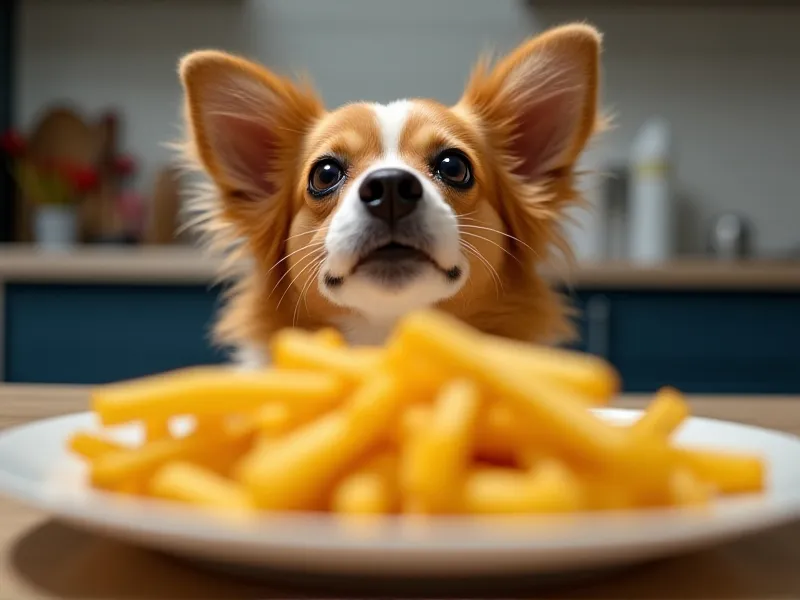
Table of Contents
- Can Dogs Eat Fries? The Short Answer
- The Potential (Minimal) Benefits of Potatoes vs. Fries
- The Risks of Feeding Fries to Dogs: Why They’re Not Ideal
- How Much (If Any) Fries Can Dogs Safely Eat?
- Healthier Alternatives to Fries for Your Dog
- FAQ: Your Most Pressing Fries-and-Dogs Questions Answered
- Conclusion: Moderation and Common Sense Are Key
Can Dogs Eat Fries? The Short Answer
Let’s cut to the chase: Technically, plain, unsalted, unseasoned fries are not toxic to dogs. A tiny, occasional bite is unlikely to harm most healthy pups. However, that doesn’t mean fries are a good idea.
Fries are typically high in fat, salt, and empty calories—nutrients that offer little to no value for dogs and can lead to serious health issues over time. Think of fries as the canine equivalent of junk food: tasty for us, but not a smart choice for their bodies.
The Potential (Minimal) Benefits of Potatoes vs. Fries
You might be thinking, “But potatoes are vegetables—aren’t they good for dogs?” It’s true: Raw or cooked potatoes (without added salt, butter, or seasonings) can be a healthy addition to a dog’s diet in moderation. Potatoes are a source of:
- Fiber: Aids digestion and helps your dog feel full.
- Potassium: Supports heart health and muscle function.
- Vitamins B6 and C: B6 helps with brain development and hormone regulation; C is an antioxidant that boosts immunity.
However, these benefits are drastically reduced when potatoes are turned into fries. Why? Because fries are:
- Fried in oil: This adds unhealthy fats and zaps nutrients.
- Loaded with salt: Excess salt cancels out potassium’s benefits and harms kidneys.
- Often topped with additives: Ketchup (sugar), cheese, bacon, or garlic (toxic to dogs) make fries even worse.
In short: The potato itself has merit, but fries are a processed, nutrient-poor version of it.
The Risks of Feeding Fries to Dogs: Why They’re Not Ideal
Now, let’s talk about the downsides. Fries might seem harmless, but their ingredients and preparation pose several risks to dogs:
1. High Sodium: A Recipe for Salt Toxicity
Dogs need very little salt to thrive—about 0.25 grams per 100 calories of food, according to the Association of American Feed Control Officials (AAFCO). A single medium order of fast-food fries can contain 300–500 mg of sodium—more than a small dog’s entire daily salt allowance.
Excess salt causes:
- Thirst and dehydration: Your dog may drink excessively, leading to electrolyte imbalances.
- Kidney damage: Over time, high salt taxes the kidneys, increasing the risk of disease.
- Salt toxicity: In severe cases (e.g., a dog stealing a whole bag of fries), sodium levels spike, causing vomiting, diarrhea, seizures, or even death.
2. High Fat: A Trigger for Pancreatitis
Fries are fried in oil, making them high in fat. Dogs’ bodies aren’t designed to process large amounts of fat, which can lead to:
- Pancreatitis: This painful condition occurs when the pancreas becomes inflamed, often due to a high-fat meal. Symptoms include vomiting, lethargy, and loss of appetite—and it can be life-threatening.
- Obesity: Extra fat equals extra calories. Over time, regular fry treats can lead to weight gain, which raises the risk of diabetes, joint pain, and heart disease.
3. Empty Calories: No Nutritional Value
Fries are “empty calories”—they provide energy (calories) but little to no vitamins, minerals, or protein that dogs need to stay healthy. Feeding your dog fries instead of nutrient-dense treats means they’re missing out on foods that support their growth, coat, and overall well-being.
4. Toppings and Additives: Hidden Dangers
Most people don’t eat plain fries! Common toppings like:
- Ketchup: High in sugar (empty calories) and often contains onion powder (toxic to dogs in large amounts).
- Cheese, bacon, or chili: High in fat and salt; bacon is also high in nitrates.
- Garlic or onion: Both are toxic to dogs, even in small amounts, as they damage red blood cells.
- Barbecue sauce: Loaded with sugar, salt, and sometimes garlic.
These add-ons turn an already risky snack into a toxic one.
5. Choking Hazard
Long, thin fries (like shoestring fries) or hard, undercooked fries can pose a choking risk, especially for small dogs or puppies. Always cut treats into bite-sized pieces, but even then, fries are not the safest option.
How Much (If Any) Fries Can Dogs Safely Eat?
The golden rule: If you must share a fry, keep it tiny, plain, and rare.
- Tiny: A “tiny” fry is about the size of your thumbnail for a small dog (e.g., Chihuahua), or a pinky nail for a toy breed. Larger dogs (e.g., Labs) can handle a slightly bigger piece, but even then, less is more.
- Plain: No salt, oil, ketchup, or toppings. Bake fries at home with zero seasonings if you’re tempted to share (but even then, it’s not recommended).
- Rare: Once in a blue moon—like, “you accidentally dropped a fry and your dog grabbed it” rare. Not “every Friday night during movie night” rare.
Exception: Dogs with health issues (diabetes, kidney disease, pancreatitis, or obesity) should never eat fries. Even a small bite could worsen their condition.
Healthier Alternatives to Fries for Your Dog
Instead of fries, treat your pup to snacks that are actually good for them. Here are some dog-safe alternatives they’ll love:
1. Baked Sweet Potato Cubes
Sweet potatoes are rich in fiber, beta-carotene (good for vision), and vitamins A and C. Slice them into cubes, toss with a tiny bit of olive oil (optional), and bake at 350°F for 20–25 minutes until soft. Let cool, then serve as a crunchy, sweet treat.
2. Steamed Carrots
Carrots are low in calories, high in fiber, and great for dental health (chewing them scrapes plaque!). Steam or boil carrot sticks until tender, then let cool. They’re a hit with most dogs—even picky eaters!
3. Green Beans
Fresh or frozen green beans (steamed, no salt) are packed with vitamins K and C, plus fiber. They’re low in calories, making them perfect for weight-conscious pups.
4. Plain Boiled Potato
If you want to share the potato goodness without the fry, boil a plain potato (no salt, butter, or skin—some dogs struggle with skin digestion). Mash a small spoonful into their food or serve as a standalone treat.
5. Apple Slices (No Seeds!)
Apples are high in fiber and vitamin C. Remove the seeds (they contain trace amounts of cyanide) and core, then slice into wedges. Crunchy and sweet—most dogs go crazy for them!
FAQ: Your Most Pressing Fries-and-Dogs Questions Answered
Q: Can dogs eat sweet potato fries?
A: Sweet potato fries are slightly better than regular fries because sweet potatoes are more nutrient-dense. However, they’re still fried, salted, and often coated in sugar or spices. Opt for baked sweet potato cubes instead—they’re safer and healthier.
Q: My dog stole a whole plate of fries! What should I do?
A: Stay calm, but act fast. Contact your vet immediately, especially if the fries were salty, greasy, or topped with garlic/onion. Watch for symptoms like vomiting, diarrhea, lethargy, or excessive thirst, and share details (how many fries, toppings, your dog’s weight).
Q: Are homemade fries safer than fast-food fries?
A: Homemade fries can be safer if you bake them (not fry), skip the salt, and avoid toppings. But even then, they’re still not a great treat—stick to baked potato cubes or sweet potatoes instead.
Q: Can puppies eat fries?
A: Puppies have sensitive digestive systems and are more prone to pancreatitis. It’s best to avoid fries entirely—their bodies need nutrient-rich foods (like puppy kibble or plain, cooked chicken) to grow.
Q: What if my dog only gets a fry once a month? Is that okay?
A: A single small, plain fry once a month is unlikely to harm a healthy dog. But ask yourself: Is it worth the risk? There are so many safer, tastier treats your dog will enjoy just as much (like carrots or apple slices).
Conclusion: Moderation and Common Sense Are Key
So, can dogs eat fries? Technically, yes—but they shouldn’t. Fries are high in salt, fat, and empty calories, with risks that far outweigh any minimal benefits. While a tiny, occasional bite won’t hurt most dogs, it’s not a habit worth starting.
Instead of sharing your fries, opt for nutrient-dense alternatives like baked sweet potatoes, carrots, or green beans. Your dog will love the crunch, and you’ll love knowing you’re supporting their health.
As always, if you’re unsure about a food or your dog has a health condition, consult your vet. They can help you choose treats that fit your pup’s unique needs.
After all, your dog’s happiness and health are worth more than a moment of puppy-eyed begging. Save the fries for yourself, and treat them to something that’ll keep their tail wagging for years to come!
References
- American Kennel Club (AKC). “Can Dogs Eat Potatoes?” akc.org
- American Society for the Prevention of Cruelty to Animals (ASPCA). “Toxic and Non-Toxic Plants: Potato.” aspca.org
- PetMD. “Salt Toxicity in Dogs.” petmd.com
- Cummings School of Veterinary Medicine at Tufts University. “Pancreatitis in Dogs.” tuftscvm.org