· 9 min read
Can Dogs Eat Fried Shrimp? A Pet Parent’s Guide to Safe Seafood Treats
It’s a sunny weekend afternoon, and you’re enjoying a plate of golden, crispy fried shrimp—maybe from your favorite seafood spot or a homemade batch. Beside you, your dog sits, tail thumping, nose twitching at the savory aroma. Those big, pleading eyes seem to say, “Just one bite? Please?” It’s a scenario many pet parents face: the urge to share a tasty treat with our four-legged family members. But before you toss that fried shrimp their way, there’s a crucial question to answer: Can dogs eat fried shrimp?
Shrimp is a beloved seafood for humans, prized for its sweet flavor and versatility. But when it’s fried, coated in breadcrumbs, and doused in oil, does it become a dangerous indulgence for our pups? In this guide, we’ll break down the risks, separate fact from fiction, and help you make informed choices about sharing this popular snack with your dog. Spoiler: The answer isn’t a simple “yes” or “no”—it depends on preparation, portion size, and your dog’s unique health needs.
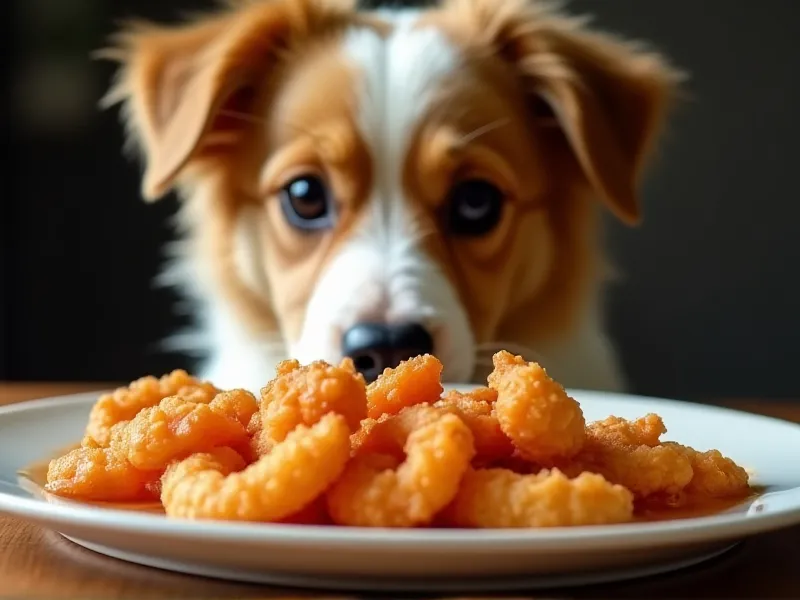
Table of Contents
- Can Dogs Eat Fried Shrimp? The Short Answer
- The Risks of Fried Shrimp for Dogs: Why It’s Not Ideal
- The Benefits of Plain, Cooked Shrimp (Yes, Shrimp Itself Can Be Good!)
- How Much Shrimp Is Safe for Dogs? Guidelines for Treat Time
- Healthier Alternatives to Fried Shrimp
- FAQ: Your Top Questions Answered
- Conclusion: Spoil Your Pup Safely
- References
Can Dogs Eat Fried Shrimp? The Short Answer
No, fried shrimp is not recommended for dogs. While plain, unseasoned, cooked shrimp can be a safe, occasional treat for most dogs, the frying process transforms it into a risky snack. Fried shrimp is typically high in unhealthy fats, salt, and processed breading—all of which can harm your dog’s health. Even a small piece can lead to stomach upset, and larger amounts may cause more serious issues like pancreatitis or sodium poisoning.
Think of it this way: Fried shrimp is like junk food for dogs. It’s tasty (for us!), but it offers little nutritional value and comes with a host of potential downsides. If you want to share shrimp with your pup, skip the fryer and opt for plain, cooked shrimp instead.
The Risks of Fried Shrimp for Dogs
To understand why fried shrimp is a no-go, let’s break down its components and how they affect your dog:
1. Excess Oil and Fat: A Recipe for Pancreatitis
Fried shrimp is cooked in oil (often vegetable, canola, or even butter), making it high in fat. Dogs have sensitive digestive systems, and a sudden influx of fat can trigger pancreatitis—a painful, potentially life-threatening condition where the pancreas becomes inflamed.
Pancreatitis symptoms include vomiting, diarrhea, loss of appetite, lethargy, and abdominal pain. In severe cases, it can lead to organ failure. Even a single fried shrimp can be too much for small dogs or those prone to pancreatitis (e.g., breeds like Miniature Schnauzers or dogs with a history of digestive issues).
2. Salt: Too Much Can Cause Sodium Poisoning
Most fried shrimp is seasoned with salt, either in the breading or during cooking. Dogs need only a tiny amount of sodium (about 100 mg per pound of body weight daily, according to the National Research Council). A single serving of fried shrimp can contain 300–500 mg of sodium—way more than a small dog needs in a day!
Excess salt can lead to sodium ion poisoning, with symptoms like excessive thirst, urination, vomiting, diarrhea, tremors, seizures, or even death in severe cases.
3. Breading and Batter: Empty Calories and Choking Hazards
The crispy coating on fried shrimp is usually made from flour, breadcrumbs, or batter—all of which are high in refined carbs and offer little nutritional value. This “empty” calories can contribute to obesity over time, especially if treats like fried shrimp are given regularly.
Breading can also pose a choking risk, especially for small dogs. The hard, crunchy texture can get stuck in your dog’s throat or cause blockages in their digestive tract. Additionally, some breadings contain ingredients like garlic powder or onion powder—both of which are toxic to dogs (even in small amounts) and can damage their red blood cells.
4. Seasonings: Hidden Dangers
Many fried shrimp recipes include spices like garlic, onion, paprika, or black pepper. Garlic and onion are part of the Allium family, which is toxic to dogs and can cause anemia (a dangerous drop in red blood cells). Even a pinch of garlic powder in the breading can be harmful, especially for small breeds.
5. Shells and Tails: Sharp and Unsafe
Shrimp shells (and tails) are often left on fried shrimp for crunch. But for dogs, these shells are sharp, indigestible, and a major choking hazard. They can tear the throat or intestines, leading to internal bleeding or blockages—requiring emergency surgery.
The Benefits of Plain, Cooked Shrimp
While fried shrimp is off the table, plain, unseasoned, cooked shrimp can be a healthy, occasional treat for dogs. When prepared safely, shrimp offers several key nutrients:
1. High-Quality Protein
Shrimp is packed with lean protein, which supports muscle growth, repair, and overall energy levels. Protein is essential for dogs of all ages, from playful puppies to senior pups.
2. Omega-3 Fatty Acids
Shrimp contains omega-3 fatty acids, which promote healthy skin and a shiny coat, reduce inflammation (helpful for joint issues like arthritis), and support brain and heart health.
3. Selenium and Antioxidants
Selenium is a mineral that boosts the immune system and protects cells from damage. Shrimp is also rich in antioxidants, which fight free radicals and may lower the risk of chronic diseases.
4. B Vitamins
Shrimp provides B vitamins like B12, niacin, and riboflavin, which help convert food into energy, support nerve function, and maintain healthy blood cells.
Key Takeaway: The benefits of shrimp are only realized when it’s plain, cooked, and unseasoned. Frying, seasoning, or adding breading cancels out these perks and adds risks.
How Much Shrimp Is Safe for Dogs? Guidelines for Treat Time
If you want to share plain, cooked shrimp with your dog, follow these rules to keep them safe:
1. Keep It Occasional
Shrimp should be an occasional treat, not a regular part of their diet. Aim for once a week at most, and only in small amounts.
2. Size Matters
- Small dogs (under 20 lbs): 1–2 small shrimp (peeled, no tail) per serving.
- Medium dogs (20–50 lbs): 2–3 shrimp per serving.
- Large dogs (50+ lbs): 3–4 shrimp per serving.
3. Prepare It Safely
- Cook thoroughly: Raw shrimp can contain bacteria like Salmonella or E. coli, which can make dogs (and humans!) sick. Boil, steam, or bake shrimp until it’s opaque and firm (no pink or translucent parts).
- Peel and devein: Remove the shell, tail, and vein (the dark “sand vein” along the back) to avoid choking hazards and digestive issues.
- No seasonings: Skip salt, butter, garlic, or spices. Plain is best!
4. Monitor for Allergies
Some dogs may be allergic to shellfish. Watch for symptoms like itching, redness, swelling, or diarrhea after their first shrimp treat. If you notice any, stop feeding shrimp and consult your vet.
5. Avoid If Your Dog Has Health Issues
Dogs with pancreatitis, kidney disease (due to sodium), or seafood allergies should avoid shrimp entirely. Always check with your vet first if your pup has a chronic condition.
Healthier Alternatives to Fried Shrimp
If you’re craving a special treat to share with your dog, these options are safer and more nutritious than fried shrimp:
1. Plain Cooked Shrimp
As we’ve discussed, this is the gold standard—peeled, unseasoned, and cooked. It has all the benefits of shrimp without the risks.
2. Cooked Salmon
Salmon is rich in omega-3s and protein, and most dogs love its flavor. Just make sure it’s fully cooked (raw salmon can contain parasites) and unseasoned.
3. Lean Chicken or Turkey
Boiled or baked chicken/turkey (no skin, bones, or seasoning) is a classic, low-fat treat that’s easy to digest.
4. Steamed Veggies
Carrots, green beans, or sweet potatoes are low-calorie, high-fiber treats that dogs enjoy. They’re great for crunch and nutrients without the fat.
5. Frozen Blueberries
Frozen blueberries are a refreshing, antioxidant-rich snack—perfect for hot days! They’re low in sugar and safe for most dogs.
FAQ: Your Top Questions Answered
Q: Can puppies eat fried shrimp?
A: No. Puppies have even more sensitive digestive systems than adult dogs, and fried shrimp’s fat, salt, and breading can cause severe stomach upset or pancreatitis. Stick to puppy-safe treats like plain, cooked chicken or veggies.
Q: My dog accidentally ate a piece of fried shrimp—what should I do?
A: If it was just a small bite, monitor them for 24 hours. Watch for vomiting, diarrhea, lethargy, or loss of appetite. If they ate a large amount or show symptoms, contact your vet immediately.
Q: Are shrimp tails safe for dogs?
A: No. Tails are hard, sharp, and indigestible. They can choke your dog or cause intestinal blockages. Always remove tails and shells before feeding shrimp.
Q: Is tempura shrimp worse than regular fried shrimp?
A: Yes. Tempura batter is lighter but fried in even more oil, making it higher in fat and calories. It’s also often seasoned, adding extra salt or spices.
Q: Can dogs eat canned shrimp?
A: Canned shrimp is usually high in sodium (from brine), so it’s not recommended. If you use canned shrimp, rinse it thoroughly to remove excess salt, and only feed a tiny amount as a rare treat.
Conclusion: Spoil Your Pup Safely
At the end of the day, we all want to share joy with our dogs—and treats are a big part of that! But when it comes to fried shrimp, it’s best to resist those puppy eyes. The oil, salt, breading, and seasonings make it a risky choice, while plain, cooked shrimp (in moderation) can be a healthy, tasty alternative.
Remember: Every dog is different. If you’re unsure whether shrimp (or any human food) is safe for your pup, consult your vet—especially if they have health issues or dietary restrictions. When in doubt, stick to dog-specific treats or fresh, whole foods like veggies or lean meats.
Your dog’s health and happiness are worth the extra effort to choose safe, nutritious treats. So next time you’re enjoying seafood night, save the fried shrimp for yourself and pass your pup a plain, peeled shrimp instead—they’ll wag their tail just as hard, and you’ll both feel good about it!
References
- American Society for the Prevention of Cruelty to Animals (ASPCA). “People Foods to Avoid Feeding Your Pets.” aspca.org/pet-care/animal-poison-control/people-foods-avoid-feeding-your-pets
- American Kennel Club (AKC). “Can Dogs Eat Shrimp?” akc.org/expert-advice/nutrition/can-dogs-eat-shrimp
- National Research Council. Nutrient Requirements of Dogs and Cats. National Academies Press, 2006.
- Journal of Veterinary Internal Medicine. “Risk Factors for Pancreatitis in Dogs: A Retrospective Study.” doi.org/10.1111/jvim.15584