· 8 min read
Can Dogs Eat Fried Rice? What Pet Parents Need to Know
It’s Friday night, and you’re savoring a warm plate of takeout fried rice—fluffy grains, tender bits of chicken, and a hint of garlic. Beside you, your dog, Bella, rests her head on your lap, tail thumping gently, those soulful eyes fixed on your fork. “Just a tiny bite?” you wonder. “Surely one little taste won’t hurt…”
If you’ve ever found yourself in this scenario, you’re not alone. Fried rice is a beloved comfort food in households worldwide, but when it comes to sharing with our four-legged family members, the question lingers: Is fried rice safe for dogs?
In this post, we’ll break down the facts—from potential benefits to hidden risks, how much (if any) is okay, and healthier alternatives to satisfy your pup’s cravings. Let’s dig in!
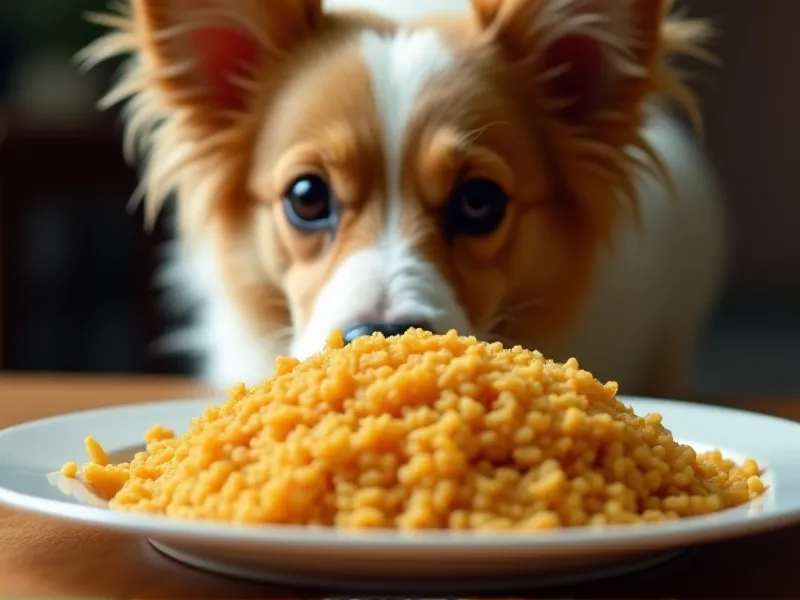
Table of Contents
- Can Dogs Eat Fried Rice? The Short Answer
- Potential Benefits of Fried Rice for Dogs (Yes, There Are Some!)
- The Risks: Why Fried Rice Isn’t a Dog’s Best Friend
- How Much Fried Rice Can Dogs Safely Eat? Guidelines for Pet Parents
- Healthier Alternatives to Fried Rice for Your Pup
- FAQ: Your Burning Questions Answered
- Conclusion: Enjoy Responsibly, Consult Your Vet
Can Dogs Eat Fried Rice? The Short Answer
Yes, but with major caveats. Fried rice itself isn’t toxic to dogs, but it’s rarely a healthy choice. Most store-bought or restaurant fried rice is loaded with ingredients that can harm your pup, like salt, oil, garlic, or onions. However, plain, homemade fried rice (cooked with minimal oil, no seasoning, and safe veggies/protein) might be okay as an occasional, tiny treat.
The key here is ingredients and portion size. Let’s unpack why fried rice is a mixed bag for dogs.
Potential Benefits of Fried Rice for Dogs (Yes, There Are Some!)
Before we dive into the risks, let’s acknowledge the silver linings. If you make fried rice at home with care, it can offer a few nutrients—though these are better obtained from other, safer foods.
1. Rice: A Familiar, Gentle Carb
Rice is a staple in many commercial dog foods for a reason: it’s easy to digest, low in fat, and provides energy via carbohydrates. White rice, in particular, is often recommended by vets to soothe upset stomachs in dogs (think: after diarrhea or vomiting). Brown rice adds fiber, which supports digestive health.
In fried rice, rice is the base—so if the rest of the ingredients are safe, your dog is getting a carb boost.
2. Veggies: Vitamins and Fiber (If They’re Safe!)
Many fried rice recipes include veggies like carrots, peas, or green beans. These are excellent for dogs:
- Carrots: Rich in beta-carotene (vitamin A), which supports eye health and immune function.
- Peas: Packed with vitamins K, C, and fiber, plus protein.
- Green beans: Low in calories, high in fiber, and a good source of iron.
Just make sure these veggies are cooked (raw veggies can be hard to digest) and cut into small, bite-sized pieces to avoid choking.
3. Lean Protein (If Added Responsibly)
Chicken, shrimp, or tofu are common in fried rice. Cooked, unseasoned chicken is a dog favorite—it’s lean, high in protein, and easy to digest. Shrimp (deveined, no shell) is also safe in small amounts, offering omega-3 fatty acids for skin and coat health.
Again, the keyword is unseasoned. No salt, garlic, or sauce!
The Risks: Why Fried Rice Isn’t a Dog’s Best Friend
Now, let’s get real: most fried rice (especially takeout or restaurant versions) is far from dog-friendly. Here’s why it can be risky:
1. Toxic Ingredients: Onions and Garlic
This is the biggest red flag. Onions, garlic, leeks, and chives (all part of the Allium family) are toxic to dogs, even in small amounts. They damage red blood cells, leading to anemia (symptoms: weakness, lethargy, pale gums, vomiting).
Many fried rice recipes (especially Asian-style) use garlic and onion powder, or fresh minced garlic/onion, to add flavor. Even a tiny sprinkle can harm your dog.
Pro tip: Always check the ingredients. If the fried rice smells strongly of garlic or onion, keep it away from your pup.
2. High Fat: A Recipe for Pancreatitis
Fried rice is, well, fried—meaning it’s cooked in oil (often vegetable oil, sesame oil, or butter). High-fat foods can trigger pancreatitis in dogs, a painful and potentially life-threatening condition where the pancreas becomes inflamed.
Symptoms of pancreatitis include vomiting, diarrhea, loss of appetite, and abdominal pain. Small dogs and breeds prone to pancreatitis (like Miniature Schnauzers) are especially at risk.
3. Sodium Overload
Soy sauce, oyster sauce, and salt are staples in fried rice seasoning. Dogs need only tiny amounts of sodium (about 100mg per 1000 calories of food). A single tablespoon of soy sauce has ~900mg of sodium—way more than a small dog’s daily limit!
Too much sodium causes sodium ion poisoning, with symptoms like excessive thirst, urination, vomiting, diarrhea, tremors, or even seizures.
4. Sugar and Unhealthy Add-Ins
Some fried rice recipes include sugar (e.g., sweet and sour versions) or additives like MSG. Sugar contributes to obesity and dental issues in dogs. MSG, while not proven toxic, can cause headaches, nausea, or lethargy in some dogs (and humans!).
5. Choking Hazards
Large chunks of veggies (like uncut carrots), hard proteins (like undercooked chicken), or tough rice grains can pose choking risks, especially for small dogs or breeds with flat faces (e.g., Bulldogs, Pugs), who struggle to chew thoroughly.
How Much Fried Rice Can Dogs Safely Eat? Guidelines for Pet Parents
If you’re set on sharing a bite (and the fried rice is homemade, unseasoned, and free of toxic ingredients), follow these rules:
1. Occasional, Not Regular
Fried rice should never replace your dog’s regular food. Think of it as a once-in-a-blue-moon treat—like a slice of birthday cake for humans.
2. Portion Size Depends on Your Dog’s Size
- Small dogs (e.g., Chihuahua, Yorkie): 1–2 tablespoons max.
- Medium dogs (e.g., Beagle, Cocker Spaniel): 2–3 tablespoons.
- Large dogs (e.g., Lab, Golden Retriever): ¼ cup at most.
Even for large dogs, this is a tiny amount—remember, their stomachs are smaller than you think!
3. Check Ingredients First
Before sharing, ask:
- Does it contain garlic, onion, or chives? No-go.
- Is it cooked with lots of oil? Avoid.
- Did you add soy sauce, salt, or sugar? Skip it.
If the answer to any of these is “yes,” toss it in the trash (or eat it yourself—no judgment).
4. Watch for Reactions
After giving a bite, monitor your dog for 24 hours. Signs of trouble include vomiting, diarrhea, lethargy, or loss of appetite. If you notice any of these, contact your vet immediately.
Healthier Alternatives to Fried Rice for Your Pup
Instead of risking fried rice, try these dog-safe alternatives that offer the same (or better!) nutrients:
1. Plain Cooked Rice
Boil white or brown rice in water (no salt, oil, or broth). Serve it plain, or mix in a spoonful of plain, cooked chicken or steamed veggies. This is gentle on tummies and perfect for a simple treat.
2. “Dog-Friendly Fried Rice” (Homemade!)
Make your own version with:
- ½ cup cooked white rice (cooled).
- 1 tablespoon cooked, diced carrots.
- 1 tablespoon cooked, mashed peas.
- 1 teaspoon cooked, shredded chicken (no skin, no bones).
- A tiny drizzle of olive oil (optional, for moisture).
Mix it all together—no seasoning! Your dog will love the texture and flavors, and you’ll have peace of mind.
3. Steamed Veggie Mix
Carrots, peas, green beans, and sweet potatoes (cooked and mashed) are all safe and delicious. Serve them alone or mixed with a little boiled chicken for a protein boost.
4. Commercial Dog Treats
For convenience, opt for high-quality dog treats made with natural ingredients. Look for options with rice, veggies, or lean protein (e.g., “chicken and rice” training treats).
FAQ: Your Burning Questions Answered
Q: Can dogs eat fried rice with chicken?
A: Only if the chicken is unseasoned, boneless, skinless, and the rice is cooked with minimal oil and no toxic ingredients (garlic, onion, soy sauce). Even then, keep portions tiny!
Q: My dog stole a big bite of my takeout fried rice—what should I do?
A: Don’t panic, but monitor them closely. If the rice had garlic/onion, contact your vet immediately (toxins can act fast). If it was just oily/salty, watch for vomiting, diarrhea, or lethargy. Offer fresh water to help flush out excess salt.
Q: Is brown rice better than white rice in fried rice for dogs?
A: Brown rice has more fiber and nutrients, but some dogs (especially those with sensitive stomachs) find it harder to digest. Stick to white rice if your dog has a history of digestive issues.
Q: Can dogs eat egg fried rice?
A: Eggs are safe for dogs (cooked, not raw), but the problem is the “fried” part. Egg fried rice is typically cooked in oil and may have salt/seasoning. A tiny bite of plain,少油 (low-oil) egg fried rice might be okay, but it’s still not ideal.
Conclusion: Enjoy Responsibly, Consult Your Vet
So, can dogs eat fried rice? Technically, yes—but it’s rarely worth the risk. Most fried rice is high in fat, salt, and toxic ingredients like garlic or onion. If you must share, make it homemade, keep portions microscopic, and skip the seasoning.
For peace of mind, stick to safer alternatives like plain rice, steamed veggies, or dog-friendly “fried rice” made just for them. And when in doubt? Call your vet. They know your dog’s health history and can give personalized advice.
At the end of the day, Max (or Bella, or Rover) will be just as happy with a belly rub and a carrot stick as they would with fried rice. And you’ll both sleep better knowing they’re safe.
Bon appétit—for you and your pup!
References
- American Kennel Club (AKC). “Can Dogs Eat Rice?” AKC.org.
- ASPCA. “Toxic and Non-Toxic Plants: Onion.” ASPCA.org.
- PetMD. “Pancreatitis in Dogs: Symptoms, Causes, and Treatment.” PetMD.com.
- VCA Animal Hospitals. “Human Foods Dogs Can and Can’t Eat.” VCAHospitals.com.