· 7 min read
Can Dogs Eat Fried Potatoes? The Surprising Truth Every Pet Parent Should Know
Picture this: You’re at a backyard barbecue, biting into a crispy, golden fry, when your dog trots over, ears perked, tail thumping. Their big, hopeful eyes seem to say, “Share a bite?” It’s a scenario many pet parents face—but before you toss them a fry, you pause. Can dogs eat fried potatoes?
It’s a common question, and the answer isn’t as simple as “yes” or “no.” While potatoes themselves aren’t toxic to dogs, frying them adds a host of risks that could harm your pup. In this guide, we’ll break down the facts: the potential benefits of plain potatoes, the dangers of fried versions, how much (if any) is safe, and healthier alternatives to satisfy their cravings. Let’s dig in!
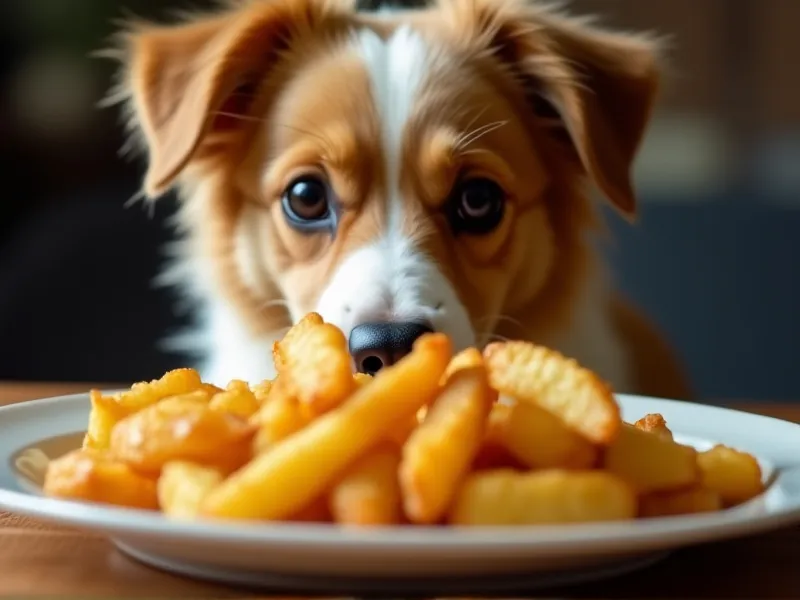
Table of Contents
- Can Dogs Eat Fried Potatoes? The Short Answer
- The Potato vs. The Fry: What’s the Difference?
- Potential Benefits of Plain Potatoes for Dogs
- Risks of Fried Potatoes for Dogs: Why They’re Best Avoided
- How Much Fried Potato Is “Safe” for Dogs?
- Healthier Alternatives to Fried Potatoes
- FAQ: Your Burning Questions Answered
- Conclusion: Prioritize Your Pup’s Health
- References
Can Dogs Eat Fried Potatoes? The Short Answer
No, fried potatoes are not recommended for dogs. While plain, cooked potatoes (without added fats, salt, or seasonings) can be a safe, occasional treat, frying transforms them into a high-risk food. The oil, salt, and potential additives in fried potatoes pose serious health threats to dogs, from upset stomachs to life-threatening conditions like pancreatitis.
The Potato vs. The Fry: What’s the Difference?
To understand why fried potatoes are risky, let’s start with the basics: the potato itself. Potatoes are a starchy vegetable rich in nutrients like fiber, potassium, and vitamins. When cooked plain (boiled, baked, or steamed), they’re non-toxic and can even offer modest health benefits to dogs (more on that later).
But a “fried potato”—think French fries, hash browns, or potato chips—is a far cry from a plain spud. Frying involves submerging potatoes in hot oil (often high in unhealthy fats like vegetable oil or trans fats), then adding salt, seasonings, or toppings (cheese, bacon, garlic powder, etc.). These additions turn a harmless veggie into a calorie-dense, nutrient-poor snack that’s dangerous for dogs.
Potential Benefits of Plain Potatoes for Dogs
Before we dive into the risks of fried potatoes, let’s acknowledge the potential benefits of plain, cooked potatoes. When served in moderation and without additives, potatoes can:
1. Provide Fiber for Digestive Health
Potatoes (especially with the skin on) contain dietary fiber, which supports healthy digestion by regulating bowel movements and feeding beneficial gut bacteria. A small amount of cooked potato can help soothe an upset stomach in some dogs (though always check with your vet first!).
2. Offer Essential Nutrients
Potatoes are a good source of:
- Potassium: An electrolyte that supports heart and muscle function.
- Vitamin C: An antioxidant that boosts immune health (dogs produce their own vitamin C, but extra can help during illness or stress).
- Vitamin B6: Aids in brain development and hormone regulation.
3. Serve as a Low-Allergen Carbohydrate
For dogs with allergies to common grains (like wheat or corn), plain potatoes can be a gentle, easily digestible carb alternative. Many commercial dog foods use potato as a grain-free ingredient for this reason.
Risks of Fried Potatoes for Dogs: Why They’re Best Avoided
Now, let’s get to the dangers of fried potatoes. Here’s why that plate of fries on your table is a no-go for your pup:
High Fat Content: A Recipe for Pancreatitis
Fried potatoes are loaded with fat. A single medium order of French fries can contain 15–20 grams of fat—more than a small dog should consume in a day! Dogs have sensitive digestive systems, and high-fat foods trigger the pancreas to release excessive enzymes, leading to pancreatitis (inflammation of the pancreas).
Pancreatitis is excruciating and potentially fatal. Symptoms include vomiting, diarrhea, loss of appetite, abdominal pain, and lethargy. Severe cases require hospitalization, and even mild cases can cause long-term pancreatic damage.
According to the American Veterinary Medical Association (AVMA), high-fat diets are one of the leading causes of pancreatitis in dogs.
Excess Salt: Dangerous for Canine Kidneys
Salt is a staple in fried potatoes—think of the salty crunch of a fry or potato chip. But dogs have very low salt requirements: The National Research Council recommends no more than 200–300 mg of sodium per day for a 33-pound dog. A single serving of fries can contain 300–600 mg of sodium—more than a dog’s entire daily limit!
Too much salt causes sodium ion poisoning, which leads to:
- Extreme thirst and urination
- Vomiting and diarrhea
- Tremors or seizures
- Kidney damage (over time)
- In severe cases, coma or death.
Toxic Seasonings: Onions, Garlic, and More
Many fried potato dishes include seasonings that are toxic to dogs. Common culprits include:
- Onion/garlic powder: These contain thiosulfate, which destroys red blood cells in dogs, leading to anemia. Even small amounts can be harmful.
- Chives or scallions: Part of the onion family and equally toxic.
- Cheese, bacon, or sour cream: High in fat and salt, and dairy can cause lactose intolerance in many dogs.
- Artificial flavors/colors: Linked to allergies and behavioral issues in some dogs.
Choking and Digestive Upset
The crispy, dry texture of fried potatoes (like chips or thin fries) can pose a choking hazard, especially for small dogs or those who gulp their food. Additionally, the high fat and oil in fried potatoes can cause gastroenteritis—inflammation of the stomach and intestines—leading to vomiting, diarrhea, or bloating.
How Much Fried Potato Is “Safe” for Dogs?
The short answer: It’s better to avoid fried potatoes entirely. Even a small amount (like one or two French fries) can cause stomach upset in sensitive dogs. Larger portions increase the risk of pancreatitis, salt poisoning, or choking.
If your dog accidentally steals a fry or two, monitor them closely for 24 hours. Signs of trouble include vomiting, diarrhea, lethargy, or excessive thirst. If you notice any of these, contact your vet immediately.
Healthier Alternatives to Fried Potatoes
Craving to share a potato-based treat with your pup? Opt for these safer, nutrient-dense alternatives:
1. Plain Baked Potato
Bake a potato (no oil, salt, or toppings) and serve a small slice (about 1–2 tablespoons for small dogs, ¼ cup for large dogs) as an occasional treat. Leave the skin on for extra fiber!
2. Steamed Sweet Potato
Sweet potatoes are even more nutrient-dense than regular potatoes, packed with beta-carotene (which converts to vitamin A) and fiber. Steam or bake them plain, then mash or dice for a tasty snack.
3. Mashed Potato (No Additives)
Mash a plain, boiled potato with a splash of water (no butter, milk, or salt). This is gentle on sensitive stomachs and easy to digest.
4. Dehydrated Potato Treats
Slice potatoes into thin rounds, bake at 200°F until crispy (no oil!), and store in an airtight container. These make crunchy, low-sodium chews.
FAQ: Your Burning Questions Answered
Q: Can dogs eat French fries from fast-food restaurants (McDonald’s, Burger King, etc.)?
A: No. Fast-food fries are even riskier than homemade ones—they’re loaded with salt, preservatives, and often cooked in oil with added flavors (like “natural beef flavor,” which may contain onion/garlic).
Q: My dog ate a whole plate of fried potatoes! What should I do?
A: Contact your vet immediately. Large amounts of fried potatoes can cause pancreatitis or salt poisoning, which require prompt treatment. Your vet may recommend inducing vomiting, administering IV fluids, or monitoring for symptoms.
Q: Are baked potatoes with skin safe for dogs?
A: Yes! The skin is rich in fiber, and the flesh provides nutrients. Just skip the butter, cheese, and sour cream.
Q: Can puppies eat fried potatoes?
A: Puppies have developing digestive systems and are more sensitive to high-fat, salty foods. Fried potatoes are a big no—stick to puppy-safe treats like plain cooked carrots or blueberries.
Conclusion: Prioritize Your Pup’s Health
While it’s tempting to share your favorite fried snacks with your dog, the risks far outweigh any potential benefits. Fried potatoes are high in fat, salt, and toxic additives that can lead to serious health issues. Instead, opt for plain, cooked potatoes or nutrient-rich alternatives like sweet potatoes.
Remember: Every dog is different—what’s “safe” for one may upset another. When in doubt, consult your vet before introducing new foods. By choosing healthy, dog-approved treats, you’ll keep your pup happy, healthy, and tail-wagging for years to come!
References
- American Society for the Prevention of Cruelty to Animals (ASPCA). “People Foods to Avoid Feeding Your Pets.” aspca.org/pet-care/animal-poison-control/people-foods-avoid-feeding-your-pets
- American Veterinary Medical Association (AVMA). “Pancreatitis in Dogs.” avma.org/resources/pet-owners/petcare/pancreatitis-dogs
- PetMD. “Can Dogs Eat Potatoes?” petmd.com/dog/nutrition/can-dogs-eat-potatoes
- National Research Council. “Nutrient Requirements of Dogs and Cats.” National Academies Press, 2006.
- Veterinary Nutrition Care. “Potato as a Dog Food Ingredient.” veterinarynutritioncare.com/potato-as-a-dog-food-ingredient