· 8 min read
Can Dogs Eat Fried Pork Skins? What Pet Parents Need to Know
Picture this: You’re curled up on the couch, enjoying a crunchy snack—maybe a bag of fried pork skins. Suddenly, your dog trots over, tail wagging, nose twitching, and gives you that “please share” look we all know too well. It’s hard to resist those puppy eyes, but before you toss them a piece, you pause: Is this safe? Can dogs eat fried pork skins?
As pet parents, we want to treat our furry friends, but their health always comes first. In this post, we’ll break down the facts about fried pork skins and dogs—from potential benefits (spoiler: there aren’t many) to the very real risks, plus safer alternatives to satisfy their snack cravings. Let’s dive in!
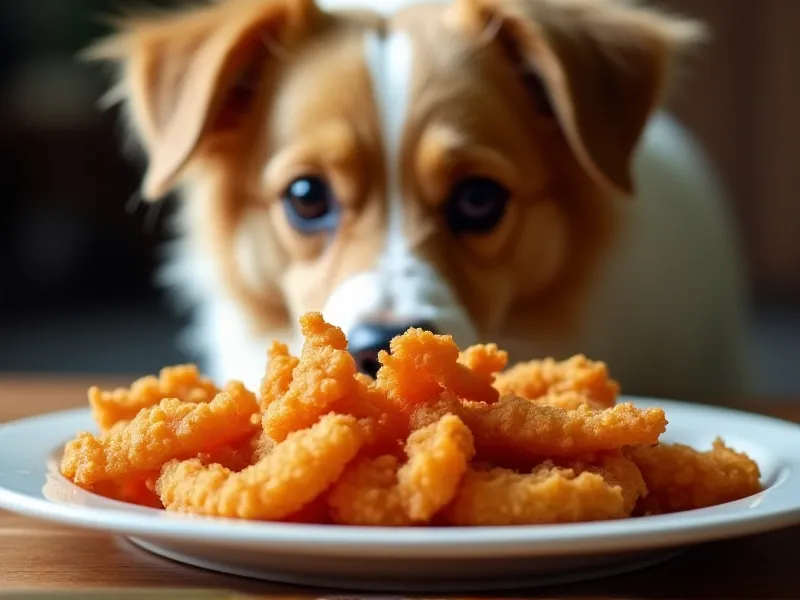
Table of Contents
- Can Dogs Eat Fried Pork Skins? The Short Answer
- Potential “Benefits” of Fried Pork Skins—But Are They Real?
- The Risks: Why Fried Pork Skins Are a Concern for Dogs
- Safe Feeding Guidelines (If You Absolutely Must)
- Healthier Alternatives to Fried Pork Skins
- Frequently Asked Questions
- Conclusion: Prioritizing Your Dog’s Health
Can Dogs Eat Fried Pork Skins? The Short Answer
No, fried pork skins are not recommended for dogs. While a tiny, plain piece might not immediately harm your pup, they pose significant health risks that far outweigh any minimal “benefits.” From high fat and sodium to choking hazards, these crispy snacks are best kept out of your dog’s bowl.
Potential “Benefits” of Fried Pork Skins—But Are They Real?
Let’s start with the positives, though they’re few and far between. Fried pork skins are made from pork skin, which, in its raw form, contains some nutrients. But once fried, most of these benefits are overshadowed by unhealthy additives and processing. Here’s what you might hear—and why it’s not enough to justify feeding them to your dog:
1. Protein Content
Pork skin itself is a source of protein, which dogs need for muscle health, energy, and immune function. However, fried pork skins are typically fried in oil, which dilutes the protein content and adds unhealthy fats. A 1-ounce serving of fried pork skins has about 9 grams of protein—but it also has 15 grams of fat and 500+ mg of sodium. That’s a lot of extra “junk” for a small amount of protein your dog can get from healthier sources (like cooked chicken breast).
2. Trace Minerals
Some claim pork skin has potassium, a mineral that helps regulate blood pressure and muscle function. While it’s true pork skin contains small amounts, the amount in fried pork skins is negligible—especially compared to the high sodium, which counteracts potassium’s benefits by increasing thirst and blood pressure.
3. “Fiber” from Collagen
Pork skin has collagen, a protein that supports joint health and skin elasticity. But again, frying reduces collagen’s bioavailability (how well your dog’s body can use it). Plus, dogs don’t need collagen from processed snacks—they get plenty from balanced dog food or supplements if recommended by a vet.
The bottom line: Any “benefits” of fried pork skins are minimal and easily obtained from safer, more nutritious foods.
The Risks: Why Fried Pork Skins Are a Concern for Dogs
Now, let’s talk about the real issues with feeding fried pork skins to your dog. These risks are serious and can lead to short-term discomfort or long-term health problems.
1. High Fat: A Recipe for Pancreatitis
Fried pork skins are extremely high in fat—often 15–20 grams per ounce. Dogs have sensitive digestive systems, and a sudden influx of fat can trigger pancreatitis, a painful and potentially life-threatening condition where the pancreas becomes inflamed. Symptoms include vomiting, diarrhea, lethargy, and loss of appetite. Severe cases require emergency vet care and can lead to organ failure.
According to the American Kennel Club (AKC), fatty foods are one of the top causes of pancreatitis in dogs. Even a small handful of fried pork skins can be enough to cause an attack, especially in breeds prone to the condition (like Miniature Schnauzers or Cocker Spaniels).
2. Excess Sodium: Dehydration and Kidney Strain
Most fried pork skins are loaded with salt—up to 500 mg of sodium per ounce (that’s 20% of a human’s daily limit, and dogs need far less!). Dogs need only about 100–200 mg of sodium per day, depending on their size. Too much sodium causes:
- Dehydration (excessive thirst, dry gums)
- Increased blood pressure
- Kidney strain (over time, high sodium can damage kidneys)
- Salt toxicity (rare, but possible with large amounts), which causes seizures, tremors, or even death.
3. Choking Hazard
Fried pork skins are hard, crispy, and can break into sharp, jagged pieces. Small dogs, in particular, risk choking if they gulp down a piece that gets stuck in their throat. Even larger dogs can have pieces lodge in their digestive tract, causing blockages (which may require surgery to remove).
4. Toxic Additives and Seasonings
Many store-bought fried pork skins include added ingredients that are toxic to dogs:
- Garlic/onion powder: These contain thiosulfate, which damages red blood cells and causes anemia.
- Spices (e.g., paprika, chili powder): Can irritate your dog’s stomach, leading to vomiting or diarrhea.
- Sugar or artificial sweeteners: Sugar contributes to obesity and dental issues; xylitol (a sugar substitute) is extremely toxic and can cause liver failure.
Always check the label—even “plain” pork skins often have added salt or oil.
Safe Feeding Guidelines (If You Absolutely Must)
We strongly advise avoiding fried pork skins, but if your dog begs relentlessly and you’re tempted to share a tiny piece (we get it—those puppy eyes!), follow these rules to minimize risk:
- Only plain, unseasoned, and unsalted: No salt, garlic, onion, or spices.
- Size matters: A piece no larger than a dime for small dogs, or a nickel for medium/large dogs. Any bigger increases choking and fat/sodium risks.
- One-time only: Never make it a regular treat. Think of it as a “once in a blue moon” indulgence (and even then, it’s better to skip).
- Monitor for reactions: Watch for vomiting, diarrhea, lethargy, or excessive thirst for 24 hours. If you notice any of these, contact your vet.
Pro tip: If your dog steals a larger piece (e.g., a handful from the bag), don’t panic—but call your vet. They may recommend monitoring for pancreatitis symptoms (like abdominal pain or vomiting) or bringing your dog in for an exam.
Healthier Alternatives to Fried Pork Skins
Instead of fried pork skins, treat your dog to snacks that are tasty and good for them. Here are our top picks:
1. Baked (Not Fried) Pork Rinds (With Caution)
If your dog loves the crunch, look for baked, unsalted pork rinds (check the label for “no added salt” and “baked, not fried”). Even then, limit to a tiny piece occasionally—they’re still high in fat, just less than fried versions.
2. Cooked Lean Pork
Unseasoned, cooked pork loin (trimmed of fat) is a great source of protein. Serve a small piece (about the size of your thumb) as a treat. Avoid pork fat, which can cause pancreatitis.
3. Lean Meats
Cooked chicken breast, turkey, or beef (unseasoned, no bones) are packed with protein and easy to digest.
4. Veggies
- Carrots: Crunchy, low-calorie, and high in vitamin A.
- Green beans: Fiber-rich and great for weight management.
- Sweet potato slices: Baked (not fried!) for a naturally sweet, chewy treat.
5. Fruits
- Apples: Remove seeds (they contain cyanide) and core; slices are a sweet, fiber-rich snack.
- Blueberries: Antioxidant-packed and low in calories.
These alternatives are safer, more nutritious, and your dog will love them just as much (if not more!).
Frequently Asked Questions
Q: Can puppies eat fried pork skins?
A: No. Puppies have sensitive digestive systems and are more prone to pancreatitis and choking. Stick to puppy-safe treats like small pieces of cooked chicken or carrots.
Q: My dog ate a handful of fried pork skins—what should I do?
A: Stay calm. Monitor for symptoms like vomiting, diarrhea, lethargy, or abdominal pain for 24–48 hours. If you notice any of these, or if your dog is a small breed, has a history of pancreatitis, or seems in pain, contact your vet immediately.
Q: Are baked pork rinds safer than fried?
A: Slightly, since they have less fat. But most baked rinds still have added salt (check the label for “no added salt”). Even then, they’re not a “healthy” treat—opt for veggies or lean meats instead.
Q: Can dogs eat any pork products?
A: Yes! Cooked, unseasoned lean pork (like pork loin) is safe in moderation. Avoid processed pork (bacon, ham, sausage), which is high in salt and fat. Always cook pork thoroughly to kill parasites like trichinella.
Q: Is pork skin itself (raw or boiled) safe?
A: Raw pork skin can carry bacteria (like salmonella) or parasites. Boiled pork skin (unseasoned, no salt) is safer, but still high in fat. It’s better to stick to lean meats or veggies.
Conclusion: Prioritizing Your Dog’s Health
While the occasional tiny piece of plain fried pork skin might not harm your dog, it’s simply not worth the risk. High fat, sodium, choking hazards, and toxic additives make these snacks a poor choice for your pup.
Instead, focus on treats that nourish their body—like cooked chicken, carrots, or apples. Your dog will love the attention, and you’ll have peace of mind knowing you’re keeping them healthy.
As always, if you have questions about your dog’s diet, consult your vet. They can recommend treats tailored to your dog’s age, breed, and health needs.
Here’s to happy, healthy snacking—for both you and your furry friend!
References
- American Kennel Club (AKC). “Pancreatitis in Dogs.” akc.org/expert-advice/health/pancreatitis-in-dogs
- PetMD. “Sodium Poisoning in Dogs.” petmd.com/dog/conditions/toxicity/poisoning-sodium-ion-toxicosis-dogs
- ASPCA. “People Foods to Avoid Feeding Your Pets.” aspca.org/pet-care/animal-poison-control/people-foods-avoid-feeding-your-pets
- VCA Hospitals. “Pork for Dogs: Is It Safe?” vcahospitals.com/know-your-pet/pork-for-dogs-is-it-safe