· 8 min read
Can Dogs Eat Fried Pickles? The Crunchy Truth Every Pet Parent Needs to Know
It’s a lazy Sunday afternoon, and you’re savoring a plate of golden, crispy fried pickles—crunchy on the outside, tangy on the inside, the perfect snack for game day or a casual lunch. Suddenly, you feel a wet nose nudge your hand, and you look down to meet those irresistible puppy eyes. Your dog, ever the opportunist, is clearly hoping for a bite.
But wait—are fried pickles safe for dogs? You’ve heard that some human foods are off-limits, but what about this salty, crispy treat? As a responsible pet parent, you want to keep your pup happy and healthy. Let’s dive into the facts to find out if fried pickles deserve a spot in your dog’s treat jar.
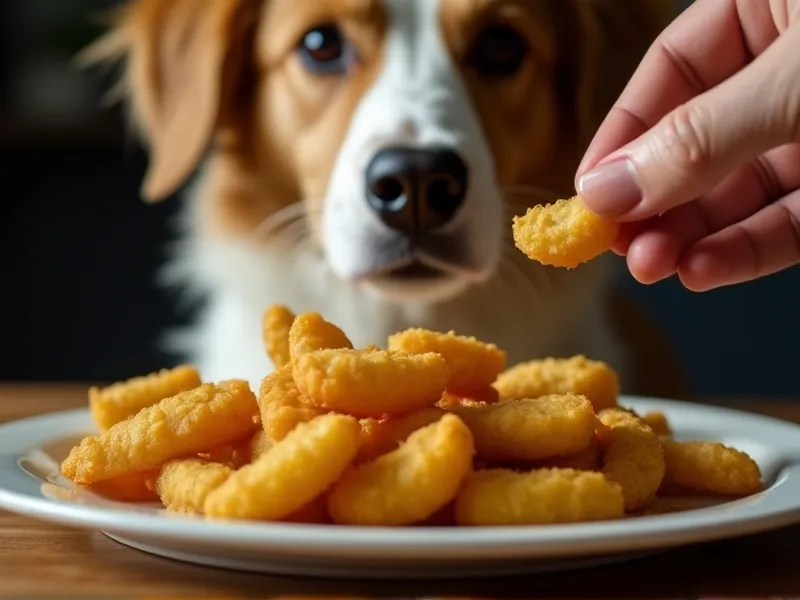
Table of Contents
- Can Dogs Eat Fried Pickles? The Short Answer
- What Are Fried Pickles, Anyway?
- Potential “Benefits” of Pickles (Spoiler: They’re Not Fried!)
- The Risks of Fried Pickles for Dogs: Why They’re Best Avoided
- How Much (If Any) Fried Pickle Is Safe for Dogs?
- Healthier Alternatives to Fried Pickles
- Frequently Asked Questions (FAQ)
- Conclusion: Prioritizing Your Pup’s Health
- References
1. Can Dogs Eat Fried Pickles? The Short Answer
No, fried pickles are not a safe or recommended treat for dogs. While plain, unsalted pickles (in tiny amounts) might not harm your dog, the fried part turns this snack into a potential health hazard. The high fat, oil, salt, and added seasonings in fried pickles can lead to stomach upset, pancreatitis, or worse. To keep your pup healthy, it’s best to skip the fried version and opt for safer alternatives.
2. What Are Fried Pickles?
Before we dig into the risks, let’s clarify what fried pickles are. Typically made from sliced dill or sweet pickles, they’re coated in a batter (often a mix of flour, cornmeal, eggs, and spices like paprika or garlic powder) and deep-fried in oil until crispy. They’re popular at fairs, restaurants, and backyard barbecues, loved for their combination of tangy, salty, and crunchy flavors.
But here’s the catch: What makes them delicious for humans—the frying process and added seasonings—is exactly what makes them risky for dogs.
3. Potential “Benefits” of Pickles (Spoiler: They’re Not Fried!)
To be fair, pickles themselves (the non-fried, plain kind) do have some nutritional value. Let’s break down what a fresh cucumber (the base of most pickles) offers:
- Fiber: Cucumbers are high in fiber, which supports healthy digestion and can help keep your dog regular.
- Potassium: This mineral is essential for heart health, muscle function, and regulating blood pressure.
- Vitamin K: Important for blood clotting and bone health.
- Hydration: Cucumbers are 95% water, making them a hydrating snack (great for hot days!).
However, these benefits apply to fresh, plain cucumbers or lightly pickled (unsalted, unsweetened) versions. Once you fry a pickle, you negate these upsides and introduce a host of risks. Fried pickles are loaded with oil, salt, and often unhealthy additives—so any “benefit” from the cucumber is overshadowed by the harm.
4. The Risks of Fried Pickles for Dogs: Why They’re Best Avoided
Fried pickles pose several risks to dogs, ranging from mild stomach upset to life-threatening conditions. Let’s break them down:
High Fat and Oil Content: A Recipe for Pancreatitis
Fried foods are cooked in oil, which makes them extremely high in fat. Dogs have sensitive digestive systems, and a sudden influx of fat can trigger pancreatitis—an inflammation of the pancreas. The pancreas produces enzymes that help digest food, but when it’s inflamed, these enzymes attack the organ itself. Symptoms of pancreatitis include vomiting, diarrhea, loss of appetite, abdominal pain, and lethargy. In severe cases, it can lead to organ failure or death.
According to the American College of Veterinary Internal Medicine (ACVIM), fatty foods are one of the top causes of pancreatitis in dogs. Even a small amount of fried pickle (like a single battered slice) can be too much for small dogs or those prone to digestive issues.
Excess Sodium: A Risk for Sodium Ion Toxicity
Pickles are already brined in saltwater, and fried pickles often have additional salt in the batter or seasoning. Dogs need very little sodium in their diet—about 100 mg per day for a 33-pound dog, according to the National Research Council. A single fried pickle can contain 100–200 mg of sodium (or more!), putting your dog at risk of sodium ion toxicity.
Symptoms of sodium toxicity include excessive thirst, urination, vomiting, diarrhea, tremors, seizures, or even coma. In severe cases, it can be fatal.
Choking Hazard: The Crunchy Batter
The crispy, brittle texture of fried pickles is another red flag. Dogs often gulp down treats without chewing thoroughly, and the hard batter can get stuck in their throat, leading to choking. Small dogs, in particular, are at higher risk due to their smaller airways.
Harmful Additives: Spices, Garlic, and Onion
Many fried pickle batters include spices like garlic powder, onion powder, paprika, or black pepper. While a pinch of paprika might not hurt, garlic and onion are toxic to dogs. These ingredients contain thiosulfate, which damages red blood cells and can cause anemia (symptoms include weakness, pale gums, and lethargy). Even small amounts can be harmful, especially in repeated exposure.
Stomach Upset: Grease and Indigestion
Even if your dog avoids pancreatitis or sodium toxicity, the oil and grease in fried pickles can cause mild to severe stomach upset. Symptoms like vomiting, diarrhea, or bloating are common after dogs eat fried foods. Over time, regular consumption can lead to obesity, which increases the risk of diabetes, joint pain, and heart disease.
5. How Much (If Any) Fried Pickle Is Safe for Dogs?
The honest answer? None. Fried pickles offer no nutritional benefit to dogs and come with significant risks. However, if your dog accidentally snatches a tiny bite (like a crumb from the floor), they’ll likely be fine. Monitor them for 24 hours for signs of stomach upset (vomiting, diarrhea) or more severe symptoms (lethargy, seizures).
If your dog eats a larger amount (e.g., several slices), contact your vet immediately. They may recommend inducing vomiting (if done within 2 hours of ingestion) or monitoring for pancreatitis.
6. Healthier Alternatives to Fried Pickles
Instead of sharing fried pickles, treat your dog to these safe, tasty alternatives that offer the crunch and flavor they crave—without the risks:
Fresh Cucumber Slices
The star of the pickle (before frying!) is a fantastic snack for dogs. Fresh cucumber is low in calories, high in water, and packed with fiber and potassium. Slice it into bite-sized pieces (remove the seeds if your dog is small to avoid choking) and serve raw. For extra fun, freeze cucumber slices on a hot day—your pup will love the cool, crunchy treat!
Plain, Unsalted Pickles (In Tiny Amounts)
If your dog loves tangy flavors, a tiny piece of plain, unsalted dill pickle (no added sugar, garlic, or onion) is safer than fried. Check the label to ensure it’s low in sodium (aim for <100 mg sodium per serving). Offer no more than 1–2 small pieces per week, as even unsalted pickles are acidic and can upset some dogs’ stomachs.
Frozen Green Beans or Carrots
For a crunchy, low-calorie snack, try frozen green beans or carrot sticks. They’re high in fiber, vitamins, and minerals, and most dogs love the cold, satisfying crunch.
Apple Slices (No Seeds!)
Apples are a great source of fiber and vitamin C. Remove the core and seeds (which contain small amounts of cyanide, toxic to dogs) and slice into wedges. Serve fresh or frozen for a refreshing treat.
Pumpkin (Plain, Canned)
Plain, unsweetened pumpkin (not pumpkin pie filling!) is a digestive superfood for dogs. It’s high in fiber and beta-carotene, and many dogs love its mild, sweet flavor. Mix a spoonful into their kibble or freeze in ice cube trays for a cool snack.
7. Frequently Asked Questions (FAQ)
Q: Can puppies eat fried pickles?
A: No. Puppies have even more sensitive digestive systems than adult dogs and are at higher risk of pancreatitis or stomach upset from fatty foods. Stick to puppy-safe treats like plain yogurt or small pieces of cooked chicken.
Q: My dog ate a whole plate of fried pickles! What should I do?
A: Contact your vet immediately. A large amount of fried pickle can cause pancreatitis, sodium toxicity, or severe stomach upset. Your vet may recommend emergency care, such as IV fluids or anti-nausea medication.
Q: Are all pickles bad for dogs?
A: No—plain, unsalted pickles (dill or sour) are safer than fried, but they should still be given sparingly. Avoid sweet pickles (high in sugar), bread and butter pickles (high in sugar and salt), or pickles with added garlic/onion.
Q: Can dogs drink pickle juice?
A: No. Pickle juice is loaded with salt, which can cause sodium ion toxicity. Even a small amount can lead to excessive thirst, vomiting, or seizures.
8. Conclusion: Prioritizing Your Pup’s Health
At the end of the day, fried pickles are a human treat best kept off your dog’s plate. While it’s tempting to share your snacks, your pup’s health depends on a balanced diet of high-quality dog food and safe, nutrient-rich treats.
When in doubt, opt for fresh fruits and veggies like cucumber, carrots, or apples—they’re affordable, easy to prepare, and your dog will love them just as much (if not more!). And if you’re ever unsure about a human food, consult your vet—they’re your best resource for keeping your pup happy and healthy.
Your dog doesn’t care if their treat is fried or fancy—they just care that it comes from you. So skip the fried pickles, grab a cucumber slice, and enjoy that bonding moment with your favorite furry friend.
9. References
- American Society for the Prevention of Cruelty to Animals (ASPCA). “People Foods to Avoid Feeding Your Pets.” aspca.org/pet-care/animal-poison-control/people-foods-avoid-feeding-your-pets.
- American Veterinary Medical Association (AVMA). “Pancreatitis in Dogs.” avma.org/resources/pet-owners/petcare/pancreatitis-dogs.
- PetMD. “Can Dogs Eat Cucumbers?” petmd.com/dog/nutrition/can-dogs-eat-cucumbers.
- VCA Hospitals. “Sodium Ion Toxicity in Dogs.” vcahospitals.com/know-your-pet/sodium-ion-toxicity-in-dogs.
- National Research Council. Nutrient Requirements of Dogs and Cats. National Academies Press, 2006.