· 8 min read
Can Dogs Eat Fried Onions? The Surprising Truth Every Pet Parent Needs to Know
It’s a familiar scene: you’re savoring a plate of golden, crispy onion rings or a heaping burger topped with fried onions, and your dog is glued to your side—tail thumping, eyes wide, nose twitching at the savory aroma. It’s hard to resist those puppy-dog eyes, but before you toss them a bite, you pause. Can dogs eat fried onions? Is this salty, crunchy treat harmless, or could it put your pup’s health at risk?
As pet parents, we want to share the best parts of life with our furry companions, but not all human foods are safe for dogs. Fried onions, in particular, are a common kitchen staple that raises questions. In this post, we’ll break down the facts: why onions (fried or not) are problematic for dogs, the specific risks they pose, and what safe alternatives you can offer instead. Let’s dive in to keep your pup happy, healthy, and out of harm’s way.
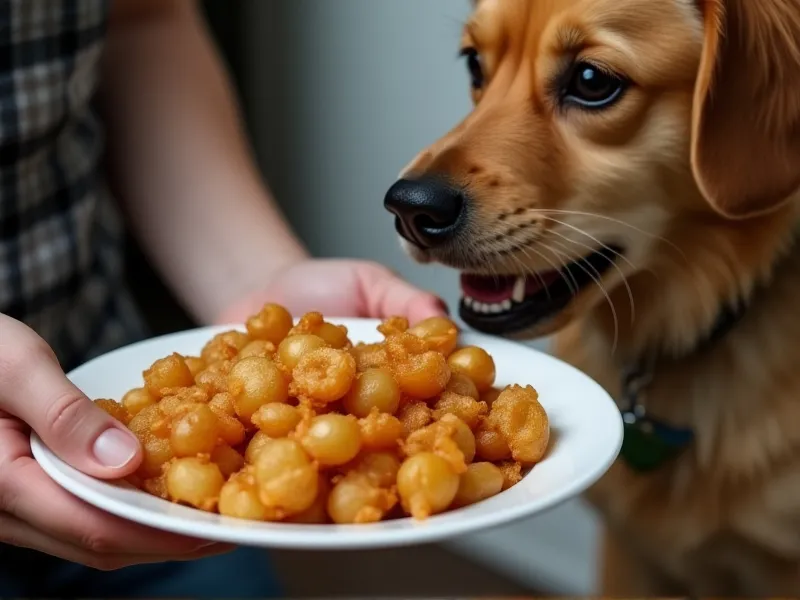
Table of Contents
- Can Dogs Eat Fried Onions? The Short Answer
- Why Onions Are Toxic to Dogs: The Science Behind the Risk
- The Dangers of Fried Onions Specifically
- Are There Any Benefits to Feeding Fried Onions to Dogs?
- How Much Fried Onion Is “Safe” for Dogs? Spoiler: None
- Healthy Alternatives to Fried Onions
- FAQ: Your Top Fried Onion Questions Answered
- Conclusion: Prioritize Your Pup’s Health
- References
Can Dogs Eat Fried Onions? The Short Answer
No, dogs should not eat fried onions—or any onions, for that matter. Onions belong to the allium family (which includes garlic, leeks, chives, and shallots), and all members of this family are toxic to dogs. While frying onions adds extra layers of risk (more on that later), the primary danger lies in the onion itself. Even small amounts can cause serious health issues, including a life-threatening condition called hemolytic anemia.
In short: that fried onion ring might smell delicious, but it’s not worth the risk to your dog’s health.
Why Onions Are Toxic to Dogs: The Science Behind the Risk
To understand why onions are dangerous, let’s get into the chemistry. Onions contain thiosulphate, a compound that’s harmless to humans but toxic to dogs. When dogs eat onions, their bodies struggle to break down thiosulphate, leading to a buildup in the bloodstream. This buildup damages red blood cells, causing them to rupture (a process called “oxidative damage”).
Red blood cells are responsible for carrying oxygen throughout the body. When they’re destroyed faster than the body can replace them, dogs develop hemolytic anemia. Symptoms of anemia include:
- Lethargy or weakness
- Pale gums (check by gently lifting your dog’s lip)
- Rapid breathing or panting
- Dark, discolored urine (due to broken blood cells)
- Loss of appetite
- Vomiting or diarrhea
In severe cases, anemia can lead to organ failure or even death if left untreated.
Worse, all forms of onions are toxic: raw, cooked, fried, dehydrated (like onion powder), or even as an ingredient in sauces or gravies. Cooking or frying does not remove the thiosulphate—if anything, it can concentrate it.
The Dangers of Fried Onions Specifically
While all onions are risky, fried onions come with extra hazards thanks to the frying process. Here’s why they’re even more dangerous than raw or cooked (non-fried) onions:
1. High Fat Content
Fried onions are cooked in oil, making them high in fat. Dogs’ digestive systems aren’t built to handle large amounts of fat, which can trigger pancreatitis—a painful, potentially life-threatening inflammation of the pancreas. Symptoms of pancreatitis include vomiting, diarrhea, abdominal pain, and lethargy. Even a small piece of fried onion can add unnecessary fat to your dog’s diet, especially if they’re already prone to weight issues or pancreatitis.
2. Added Salt and Seasonings
Most fried onions are seasoned with salt, and some may include garlic powder, paprika, or other spices. Salt is toxic to dogs in large doses, causing sodium ion poisoning. Symptoms include excessive thirst, urination, vomiting, diarrhea, tremors, or seizures. Garlic powder, meanwhile, is part of the allium family and contains the same thiosulphate as onions—doubling the toxicity risk.
3. Choking Hazard
Fried onions are often crispy and can break into sharp, irregular pieces. If your dog gulps down a large chunk, it could get stuck in their throat, leading to choking. Small dogs are especially at risk due to their smaller airways.
4. Stomach Upset
The combination of oil, salt, and spices in fried onions can irritate your dog’s stomach, leading to nausea, vomiting, or diarrhea. Even if the onion itself doesn’t cause anemia, the frying process can leave your pup feeling miserable.
Are There Any Benefits to Feeding Fried Onions to Dogs?
You might be thinking: “Onions have vitamins and fiber—can’t a tiny bite be good for my dog?” Let’s set the record straight: there are no nutritional benefits to feeding fried onions to dogs that outweigh the risks.
While raw onions do contain small amounts of nutrients like vitamin C, fiber, and potassium, these are easily found in safe foods that don’t come with a side of toxicity. Fried onions, in particular, lose most of their nutritional value during cooking. The oil and salt negate any potential upsides, making them a nutritionally empty (and dangerous) choice.
In other words: You’d never feed your dog a chocolate chip cookie for its “iron content”—so why risk it with fried onions?
How Much Fried Onion Is “Safe” for Dogs? Spoiler: None
Pet parents often ask, “What if my dog only eats a tiny piece?” Unfortunately, there’s no “safe” amount of onion for dogs. Toxicity depends on your dog’s size, weight, and how much they ate, but even small doses can cause problems:
- A 10-pound dog could get sick from eating just 1/4 cup of onions.
- A 50-pound dog might show symptoms after 1 cup.
Fried onions are more concentrated (due to cooking), so even a single onion ring could be enough to harm a small dog. If your dog steals a bite, don’t panic—but do monitor them closely for symptoms and contact your vet if you notice anything unusual (e.g., lethargy, pale gums, or vomiting).
Healthy Alternatives to Fried Onions
Instead of sharing fried onions, treat your dog to these safe, nutrient-packed alternatives. They’ll love the flavor, and you’ll love knowing you’re supporting their health:
1. Cooked Carrots
Carrots are low in calories, high in fiber, and packed with beta-carotene (which converts to vitamin A, supporting eye health). Steam or boil them until soft, then chop into bite-sized pieces for a crunchy, sweet treat.
2. Green Beans
Green beans are a great source of fiber, vitamin K, and folate. Serve them steamed, raw (if your dog chews well), or even frozen as a cool summer snack. Avoid canned green beans, which are high in salt.
3. Sweet Potatoes
Baked or mashed sweet potatoes are rich in fiber, vitamin A, and antioxidants. They’re naturally sweet, so most dogs go crazy for them! Just skip the butter, sugar, or cinnamon.
4. Blueberries
These tiny berries are a superfood for dogs, loaded with antioxidants, vitamin C, and fiber. Toss a handful as a training treat or freeze them for a refreshing snack.
5. Apples
Apples (without seeds or core) are high in fiber and vitamin A. Slice them up for a crunchy, low-calorie treat—just avoid the seeds, which contain small amounts of cyanide.
FAQ: Your Top Fried Onion Questions Answered
Q: My dog stole a fried onion ring—should I rush to the vet?
A: If it was a small piece (e.g., a single ring for a large dog), monitor them for 24–48 hours. Watch for lethargy, pale gums, vomiting, or dark urine. If you notice any of these, call your vet immediately. For small dogs or large amounts, contact your vet or a poison control hotline (like the Pet Poison Helpline at 855-764-7661) right away.
Q: Are cooked onions (not fried) safer than fried onions?
A: No. Cooking onions (boiling, baking, etc.) does not remove the thiosulphate toxin. While fried onions add extra risks (fat, salt), any cooked onion is still toxic to dogs.
Q: What about onion powder in dog food?
A: Some commercial dog foods contain tiny amounts of onion powder as a flavoring, but this is generally considered safe in regulated doses. However, homemade dog food or treats should never include onion powder—even a pinch can be toxic.
Q: Can dogs eat shallots, leeks, or garlic?
A: No. All allium vegetables (onions, garlic, shallots, leeks, chives) contain thiosulphate and are toxic to dogs. Garlic is actually more toxic than onions, so keep it far away from your pup.
Conclusion: Prioritize Your Pup’s Health
At the end of the day, sharing food with our dogs is about love—but love means keeping them safe. Fried onions (and all onions) pose serious risks, from anemia to pancreatitis, with no nutritional payoff.
Instead of risking their health for a fleeting treat, opt for safe alternatives like carrots, green beans, or blueberries. Your dog will wag their tail just as hard, and you’ll have peace of mind knowing you’re nourishing them.
If you ever suspect your dog has eaten onions (fried or otherwise), don’t hesitate to contact your vet. When it comes to their health, it’s always better to be safe than sorry.
Here’s to many happy, healthy snack times with your furry best friend!
References
- American Society for the Prevention of Cruelty to Animals (ASPCA). “Onions.” ASPCA Toxic and Non-Toxic Plants.
- Pet Poison Helpline. “Onion Toxicity in Dogs and Cats.” Pet Poison Helpline.
- VCA Hospitals. “Onion Poisoning in Dogs.” VCA Hospitals.
- Tufts Cummings School of Veterinary Medicine. “Allium Toxicity in Dogs and Cats.” Tufts Veterinary Field Service.