· 9 min read
Can Dogs Eat Fried Mushrooms? The Surprising Truth Every Pet Parent Should Know
It’s a quiet Sunday afternoon, and you’re savoring a plate of golden, crispy fried mushrooms—crunchy on the outside, tender on the inside. Beside you, your dog sits, tail thumping a rapid rhythm against the floor, their big, soulful eyes locked on your plate. “Just one bite won’t hurt, right?” you wonder. After all, mushrooms are a healthy human snack… but fried?
As pet parents, we’ve all been there: wanting to share our favorite treats with our furry companions, but worried about their safety. Mushrooms, in particular, can be confusing—some are superfoods, others are deadly. Add frying to the mix, and the question becomes even trickier: Can dogs eat fried mushrooms?
In this guide, we’ll cut through the confusion. We’ll explore whether fried mushrooms are safe, break down the risks and (limited) benefits, share guidelines for what to do if your pup sneaks a bite, and offer healthier alternatives. Let’s dive in!
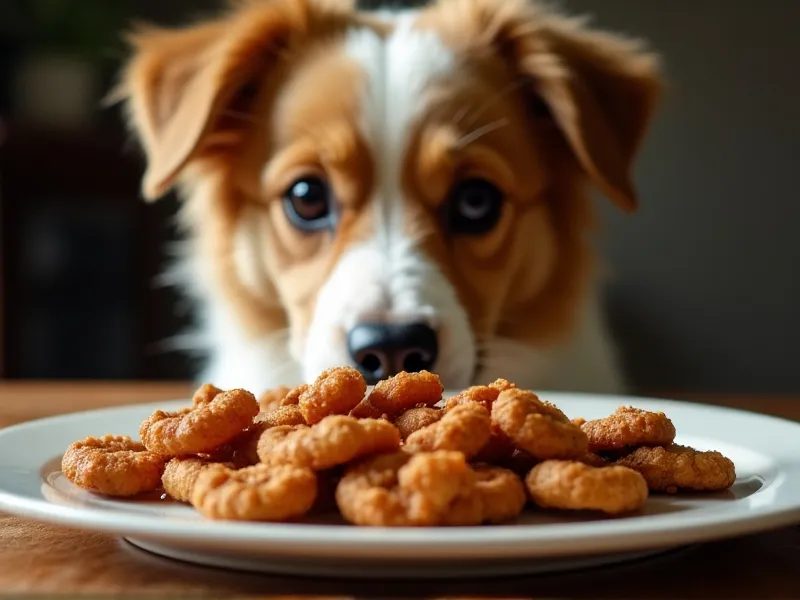
Table of Contents
- Can Dogs Eat Fried Mushrooms? The Short Answer
- Mushrooms 101: Safe vs. Toxic Varieties for Dogs
- The “Benefits” of Mushrooms (Hint: Not Fried!)
- The Hidden Risks of Fried Mushrooms for Dogs
- What If Your Dog Ate Fried Mushrooms? Guidelines to Follow
- Healthier Alternatives to Fried Mushrooms
- FAQ: Your Burning Questions Answered
- Conclusion: Prioritize Your Pup’s Health
- References
Can Dogs Eat Fried Mushrooms? The Short Answer
Let’s get straight to the point: Fried mushrooms are not recommended for dogs.
Here’s why: While plain, cooked mushrooms (like white button, cremini, or portobello) are generally safe for dogs in small amounts, fried mushrooms are a different story. The frying process adds harmful ingredients—oil, grease, breading, salt, and often seasonings—that can put your pup’s health at risk. Even “safe” mushroom varieties become problematic when fried.
In short: Save the fried mushrooms for yourself. Your dog’s stomach (and pancreas!) will thank you.
Mushrooms 101: Safe vs. Toxic Varieties for Dogs
Before we talk about frying, let’s clarify which mushrooms are safe for dogs in their plain, unadulterated form. Not all mushrooms are created equal—and some can be deadly.
Safe Mushrooms for Dogs (When Plain and Cooked)
Most store-bought, common mushrooms are non-toxic to dogs. These include:
- White button mushrooms
- Cremini (baby bella) mushrooms
- Portobello mushrooms
- Shiitake mushrooms (in small amounts, as they’re higher in fiber)
These mushrooms are low in calories, fat, and sugar, making them a neutral snack when prepared simply (no oil, salt, or seasonings).
Toxic Mushrooms for Dogs: Avoid At All Costs
The danger lies in wild mushrooms. According to the ASPCA Animal Poison Control Center, over 100 species of wild mushrooms are toxic to pets, and many look identical to safe varieties.
Deadly toxic mushrooms include:
- Amanita phalloides (Death Cap): Responsible for most mushroom poisoning deaths in pets and humans.
- Amanita muscaria (Fly Agaric): Causes hallucinations, seizures, and organ failure.
- Galerina marginata (Autumn Skullcap): Contains the same toxin as Death Caps.
- Wild morels: Raw morels can be toxic; even cooked, they’re risky unless sourced from a trusted supplier.
Key takeaway: Never feed your dog wild mushrooms. Stick to store-bought, organic varieties if you choose to share mushrooms at all.
The “Benefits” of Mushrooms (Hint: Not Fried!)
You might be thinking, “But mushrooms are healthy for humans—don’t they have benefits for dogs too?” The answer is yes… but only when they’re plain, cooked, and unseasoned. Fried mushrooms lose these benefits and gain risks.
Let’s break down the nutrients in plain, cooked mushrooms that could (theoretically) benefit dogs:
1. Fiber for Digestive Health
Mushrooms contain small amounts of dietary fiber, which helps support healthy digestion and regulate blood sugar. For dogs with occasional constipation, a tiny piece of cooked mushroom might help—but there are better fiber sources (like pumpkin) that are safer and more effective.
2. Potassium for Heart and Muscle Function
Potassium is an essential mineral that supports heart health, muscle function, and fluid balance. Plain mushrooms have a small amount of potassium, but again, dogs get most of their potassium from high-quality dog food or safer treats like bananas.
3. Antioxidants and Immune Support
Some mushrooms (like shiitake or reishi) contain antioxidants and beta-glucans, which may boost the immune system. However, these benefits are largely unproven in dogs, and supplements or specially formulated dog foods are safer ways to add these nutrients than sharing human mushrooms.
The catch: Frying mushrooms destroys many of these nutrients and adds unhealthy fats, salt, and additives. So even if plain mushrooms have minor benefits, fried versions offer no upside for your pup.
The Hidden Risks of Fried Mushrooms for Dogs
Now, let’s get to the real concern: why fried mushrooms are dangerous. The frying process transforms a potentially neutral snack into a hazard, thanks to five key risks:
1. High Fat Content: A Pancreatitis Risk
Fried mushrooms are soaked in oil or grease, making them extremely high in fat. Dogs have sensitive digestive systems, and a high-fat diet can trigger pancreatitis—a painful, life-threatening condition where the pancreas becomes inflamed.
Pancreatitis symptoms include vomiting, diarrhea, lethargy, loss of appetite, and abdominal pain. In severe cases, it can lead to organ failure. According to VCA Animal Hospitals, fatty foods are one of the top causes of pancreatitis in dogs. Even a single plate of fried mushrooms could put your pup at risk.
2. Oil and Grease: Stomach Upset Waiting to Happen
Even if pancreatitis doesn’t develop, the oil and grease in fried mushrooms can irritate your dog’s stomach. This often leads to:
- Vomiting
- Diarrhea (sometimes greasy or bloody)
- Bloating
- Abdominal discomfort
Small dogs or those with sensitive stomachs are especially prone to these issues.
3. Breading, Salt, and Seasonings: Hidden Toxins
Most fried mushrooms are coated in breading, which often contains:
- Salt: Too much salt causes sodium ion poisoning in dogs, leading to excessive thirst, urination, vomiting, seizures, or even death. A single fried mushroom might not have enough salt to harm, but a handful could.
- Garlic or Onion Powder: These are toxic to dogs, even in small amounts. They damage red blood cells, leading to anemia.
- Spices: Black pepper, paprika, or chili flakes can irritate your dog’s digestive tract.
4. Choking Hazard
The crispy, brittle texture of fried mushrooms (especially breaded ones) can pose a choking risk, especially for small dogs or pups who gulp their food. Sharp edges could also scratch the throat or get stuck in the intestines, causing a blockage.
5. Toxic Mushroom Risk (Even if “Store-Bought”)
Finally, there’s always the risk of accidentally using toxic mushrooms. Even if you bought mushrooms from the grocery store, mislabeling or cross-contamination with wild varieties is possible. Frying won’t neutralize the toxins in deadly mushrooms—so if your fried mushrooms include a toxic species, the consequences could be fatal.
What If Your Dog Ate Fried Mushrooms? Guidelines to Follow
Accidents happen! If your dog sneaks a fried mushroom (or a few), here’s what to do:
1. Stay Calm and Assess the Situation
First, figure out:
- How many mushrooms did they eat? A single bite is less risky than a whole plate.
- Were the mushrooms store-bought (safe variety) or wild? Wild mushrooms are an emergency.
- Did the breading contain garlic, onion, or excessive salt?
2. Monitor for Symptoms
Watch your dog closely for 24–48 hours. Call your vet immediately if you notice:
- Vomiting or diarrhea (especially with blood or grease)
- Lethargy or weakness
- Loss of appetite
- Abdominal pain (hunched back, whining when touched)
- Excessive thirst/urination (signs of salt toxicity)
- Seizures or tremors
3. When to Call the Vet Right Away
Contact your vet immediately if:
- Your dog ate wild mushrooms (unknown variety).
- They ate a large amount of fried mushrooms (e.g., half a plate).
- The breading contained garlic, onion, or other toxic ingredients.
- They show severe symptoms (seizures, collapse, unresponsiveness).
4. Never Induce Vomiting Without a Vet’s Approval
Don’t try to make your dog vomit unless your vet tells you to. Some toxins (like oil) can damage the esophagus if vomited up.
Healthier Alternatives to Fried Mushrooms
If you want to share a mushroom-based treat with your dog (or just a healthy snack), skip the fryer. Here are safer options:
1. Plain, Cooked Mushrooms (Small Amounts)
If you have store-bought white button, cremini, or portobello mushrooms, cook them plain (no oil, salt, or seasonings). Slice them into small pieces and offer 1–2 bites as an occasional treat. Limit to once a week—mushrooms aren’t a necessary part of a dog’s diet.
2. Steamed or Boiled Veggies
Veggies are a far better snack than fried mushrooms. Try:
- Carrots: Crunchy, low-cal, and packed with beta-carotene.
- Green Beans: High in fiber and vitamins, great for weight management.
- Sweet Potato: Cooked, mashed, or diced—rich in fiber and antioxidants.
- Broccoli: Steamed (no salt) for a vitamin C boost (limit to small amounts, as too much can cause gas).
3. Dog-Safe Fruits
Fruits like blueberries, apples (no seeds), or bananas make sweet, healthy treats. They’re low in fat, high in nutrients, and dogs love them!
4. Commercial Dog Treats
For peace of mind, stick to treats formulated specifically for dogs. Look for options with simple ingredients (e.g., “chicken and sweet potato”) and no added sugars or preservatives.
FAQ: Your Burning Questions Answered
Q: Are all mushrooms toxic to dogs?
A: No! Store-bought varieties like white button, cremini, or portobello are generally safe when plain and cooked. Wild mushrooms, however, are often toxic—never feed them to your dog.
Q: Can dogs eat raw mushrooms?
A: Raw mushrooms are hard for dogs to digest and may contain harmful bacteria. Stick to cooked, plain mushrooms (if you choose to share).
Q: My dog loves fried food—can I give them a tiny bite sometimes?
A: It’s best to avoid fried foods altogether. Even small amounts can lead to pancreatitis or stomach upset over time. Opt for dog-safe treats instead.
Q: What’s the most dangerous part of fried mushrooms for dogs?
A: The high fat content (from oil/grease) is the biggest risk, as it can trigger pancreatitis. Garlic/onion in breading is also toxic.
Q: How do I know if a mushroom is toxic?
A: You don’t—unless you’re a trained mycologist! Never pick wild mushrooms. Stick to store-bought, organic varieties, and when in doubt, avoid sharing.
Conclusion: Prioritize Your Pup’s Health
Sharing food with our dogs is one of the joys of pet parenthood, but their safety always comes first. Fried mushrooms might smell delicious, but they’re loaded with risks—fat, oil, salt, and potential toxins—that aren’t worth it.
Instead, opt for plain, cooked mushrooms (in tiny amounts) or healthier treats like carrots, green beans, or dog-safe fruits. And if your dog ever sneaks a fried mushroom, stay calm, monitor for symptoms, and call your vet if you’re worried.
Remember: When it comes to your pup’s diet, moderation and caution are key. When in doubt, always consult your veterinarian—they know your dog’s unique needs best.
Here’s to many happy, healthy snack times with your furry friend!
References
- American Society for the Prevention of Cruelty to Animals (ASPCA). (n.d.). Toxic and Non-Toxic Plants: Mushrooms.
- VCA Animal Hospitals. (n.d.). Pancreatitis in Dogs.
- PetMD. (2022). Can Dogs Eat Mushrooms?.
- American Kennel Club (AKC). (2023). Human Foods Dogs Can and Can’t Eat.