· 6 min read
Can Dogs Eat Fried Eggs? A Pet Parent’s Guide to Safe & Tasty Treats
It’s 7 a.m., and you’re standing at the stove, flipping a golden fried egg. Beside you, your dog sits, tail thumping, nose twitching—those big, hopeful eyes seem to say, “Share the love?” You pause. Fried eggs are a breakfast staple for humans, but is this treat safe for your pup? Let’s dive into the details, from nutritional benefits to potential risks, so you can make informed choices (and maybe share a bite, responsibly).
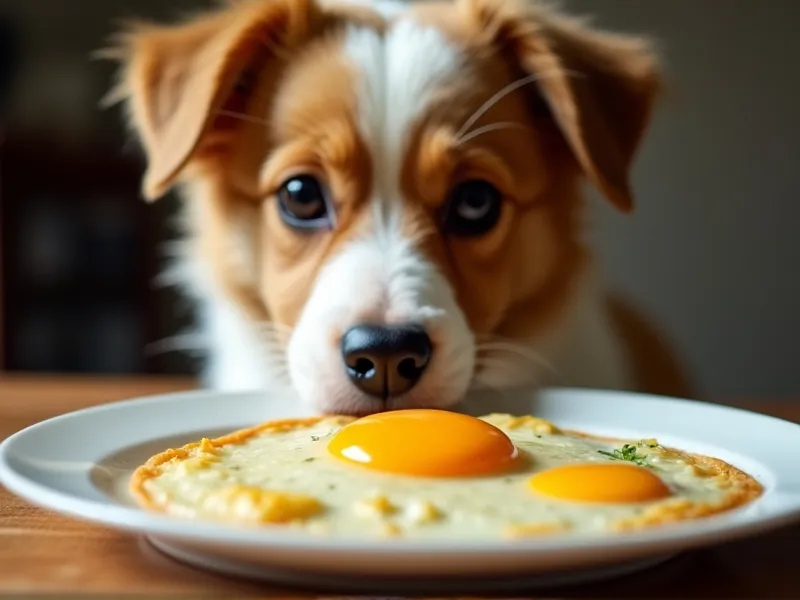
Table of Contents
- Can Dogs Eat Fried Eggs? The Short Answer
- The Nutritional Benefits of Eggs for Dogs
- Potential Risks of Feeding Fried Eggs to Dogs
- How Much Fried Egg Can Dogs Safely Eat?
- Healthier Alternatives to Fried Eggs
- FAQ: Your Fried Egg Questions Answered
- Conclusion: Love in Moderation
1. Can Dogs Eat Fried Eggs? The Short Answer
Yes, dogs can eat fried eggs—but with caveats. Plain, well-cooked fried eggs (no added oil, butter, salt, or seasonings) are generally safe for most dogs in small, occasional portions. However, the way you fry them matters. Eggs themselves are packed with nutrients, but frying introduces extra fat and potential additives that can harm your pup. Think of fried eggs as an “occasional treat,” not a daily meal.
2. The Nutritional Benefits of Eggs for Dogs
Before we talk about frying, let’s celebrate the egg itself! Eggs are a nutritional powerhouse for dogs when prepared safely. Here’s why they’re worth considering:
Protein: The Building Block of Strong Pups
Eggs are a complete protein, meaning they contain all nine essential amino acids dogs need for muscle growth, tissue repair, and a healthy coat. A single large egg has about 6 grams of protein—perfect for active dogs or those recovering from illness.
Vitamins & Minerals Galore
- Vitamin A: Supports eye health and immune function.
- Vitamin D: Crucial for bone health (eggs are one of the few food sources of this “sunshine vitamin”).
- Vitamin B12: Aids in nerve function and red blood cell production.
- Selenium: An antioxidant that protects cells from damage.
- Iron: Helps transport oxygen in the blood.
- Choline: Found in the yolk, choline supports brain development (especially important for puppies) and liver health.
Healthy Fats (In Moderation)
The yolk contains omega-3 fatty acids, which promote a shiny coat and reduce inflammation. Just remember: moderation is key, as too much fat can lead to weight gain.
3. Potential Risks of Feeding Fried Eggs to Dogs
While eggs are nutritious, frying them adds risks that plain, cooked eggs don’t have. Let’s break down the dangers:
High Fat Content: A Pancreatitis Risk
Most people fry eggs in oil, butter, or grease. These fats are hard for dogs to digest, and a high-fat meal can trigger pancreatitis—a painful, potentially life-threatening inflammation of the pancreas. Symptoms include vomiting, diarrhea, and lethargy. Dogs with a history of pancreatitis or obesity are especially vulnerable.
Added Seasonings: Hidden Toxins
Salt, pepper, garlic, onion, or herbs like chives might make your egg tastier, but they’re harmful to dogs:
- Salt: Too much can cause sodium ion poisoning, leading to vomiting, seizures, or even death.
- Garlic/Onion: These contain thiosulfate, which damages a dog’s red blood cells, causing anemia. Even small amounts can be toxic.
Choking or Digestive Upset
Large pieces of fried egg (especially crispy edges) can pose a choking hazard, especially for small dogs. The high fat can also lead to diarrhea or stomach cramps, even in healthy pups.
4. How Much Fried Egg Can Dogs Safely Eat?
If you decide to share a fried egg with your dog, follow these guidelines to keep them safe:
Portion Size Depends on Their Size
- Small dogs (under 20 lbs): ¼ to ½ of a fried egg, once a week at most.
- Medium dogs (20–50 lbs): ½ to 1 fried egg, once a week.
- Large dogs (50+ lbs): 1 fried egg, once a week.
Always Cook Eggs Thoroughly
Raw eggs carry a small risk of salmonella or E. coli, which can make dogs (and humans) sick. Fried eggs are safe only if the yolk and white are fully cooked—no runny centers!
Skip the Extras
Fry the egg in no oil, butter, or seasonings. A non-stick pan with a tiny spray of water (to prevent sticking) is the safest bet. Avoid adding cheese, ketchup, or other toppings—these often contain sugar, salt, or onions.
5. Healthier Alternatives to Fried Eggs
If you want to treat your dog to eggs without the fried fat, try these safer, more nutritious options:
Boiled Eggs
Hard-boiled eggs are the gold standard! They’re easy to prepare, low in fat, and portable. Slice one up and mix it into your dog’s kibble for a protein boost.
Scrambled Eggs (Dry)
Scramble eggs in a pan with no oil—just a splash of water to keep them moist. This avoids the extra fat of frying while keeping the eggs fluffy and delicious.
Poached Eggs
Poaching (cooking in simmering water) is another low-fat method. Just make sure the egg is fully cooked, and skip any added vinegar (it’s unnecessary and can upset tummies).
Egg Whites (For Low-Fat Diets)
If your dog needs a low-fat treat, egg whites (cooked) are a lean protein source. Skip the yolk, as it’s higher in fat.
6. FAQ: Your Fried Egg Questions Answered
Q: Can puppies eat fried eggs?
A: Puppies can have small amounts of plain, cooked eggs (fried or otherwise) as a treat, but their tummies are sensitive. Stick to ¼ of a fried egg (or ½ a boiled egg) once a week, and ask your vet first if they have digestive issues.
Q: My dog has a sensitive stomach—are fried eggs off-limits?
A: Yes. The fat in fried eggs can worsen diarrhea or gas. Opt for a boiled egg white instead (cooked, no yolk) to avoid upsetting their stomach.
Q: Is the egg yolk safe for dogs?
A: Yes! The yolk is packed with nutrients, but it’s high in fat. For dogs on a low-fat diet, stick to egg whites.
Q: Can dogs eat fried eggs every day?
A: No. Even plain fried eggs are high in fat compared to boiled or scrambled. Daily feeding can lead to obesity, pancreatitis, or digestive issues.
7. Conclusion: Love in Moderation
Fried eggs can be a safe, tasty treat for dogs—if they’re plain, well-cooked, and given sparingly. But let’s be honest: boiled or scrambled eggs are healthier and just as delicious for your pup.
As with any new food, start small and watch for signs of upset (vomiting, diarrhea, or lethargy). If your dog has pancreatitis, diabetes, or obesity, skip fried eggs altogether and ask your vet for personalized treat ideas.
At the end of the day, the best part of sharing food with your dog is the connection—not the specific snack. Whether it’s a fried egg (once in a blue moon) or a boiled egg (every week), your pup will love you just as much for the thoughtfulness.
Happy snacking, and remember: when in doubt, call your vet!