· 8 min read
Can Dogs Eat Fried Clams? A Pet Parent’s Guide to Seafood Safety
Picture this: You’re strolling along the boardwalk on a warm summer day, a paper cone of golden, crispy fried clams in hand. The salty, briny aroma fills the air, and beside you, your dog—let’s call her Luna—sits patiently, tail wagging, nose twitching, and those big, soulful eyes locked on your treat. “Just a tiny bite?” you wonder. “Surely one won’t hurt, right?”
If you’ve ever found yourself in this scenario, you’re not alone. Many pet parents want to share their favorite snacks with their furry companions, but when it comes to human foods like fried clams, it’s critical to separate “tempting” from “safe.” In this guide, we’ll dive into whether fried clams are a dog-friendly treat, break down the risks and (potential) benefits, and share healthier alternatives to keep your pup happy and healthy.
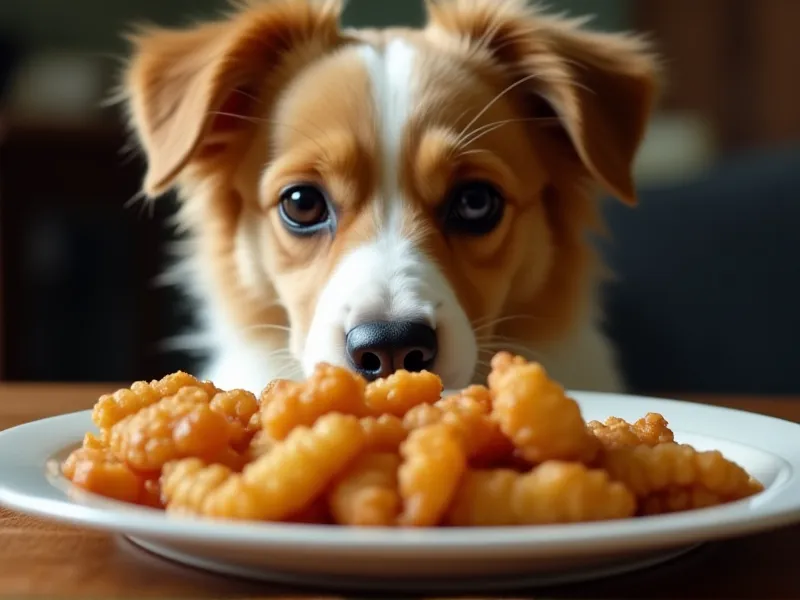
Table of Contents
- Can Dogs Eat Fried Clams? The Short Answer
- What Are Fried Clams, Anyway?
- Potential Benefits of Clams for Dogs (Yes, Plain Clams!)
- The Risks of Fried Clams: Why They’re a No-Go
- High Fat Content: A Recipe for Pancreatitis
- Sodium Overload: Bad for Pups’ Hearts and Kidneys
- Breading, Seasonings, and Additives: Hidden Dangers
- Fried Oil: Oxidized Fats and Inflammation
- How Much Fried Clam Is “Safe” for Dogs? Spoiler: None
- Healthier Alternatives to Fried Clams
- Plain, Cooked Clams (The Right Way)
- Other Dog-Safe Seafood
- Commercial Seafood Treats
- What to Do If Your Dog Accidentally Eats Fried Clams
- FAQ: Your Clam-Related Questions Answered
- Conclusion: Prioritize Safety, Then Snacks
- References
1. Can Dogs Eat Fried Clams? The Short Answer
No, dogs should not eat fried clams. While plain, cooked clams might be safe for dogs in tiny, occasional amounts, the frying process and added ingredients (like breading, salt, and oil) make fried clams a risky choice. The high fat, sodium, and potential toxins (like onion or garlic powder in the batter) can lead to serious health issues for your pup, from upset tummies to pancreatitis.
2. What Are Fried Clams, Anyway?
Fried clams are a popular seafood dish, especially in coastal areas. They’re typically made by coating fresh clam meat (often from soft-shell clams) in a batter (flour, cornmeal, egg, and seasonings) and deep-frying until crispy. They’re often served with tartar sauce, lemon, or ketchup—all of which add extra salt, sugar, or spices.
The problem? It’s not the clam itself that’s the issue (we’ll get to that later). It’s the way they’re prepared: frying adds unhealthy fats, and the batter/seasonings introduce risks like sodium and toxic additives.
3. Potential Benefits of Clams for Dogs (Yes, Plain Clams!)
Before we dive into the risks of fried clams, let’s talk about the clam itself. Plain, unseasoned, cooked clams are packed with nutrients that could benefit dogs—if served properly. Here’s why clams might be a (very occasional) treat:
- Protein: Clams are high in lean protein, which supports muscle growth and repair.
- Iron: Essential for healthy red blood cells and energy levels.
- Zinc: Boosts immune function, skin health, and wound healing.
- Selenium: An antioxidant that protects cells from damage.
- B12: Important for nerve function and red blood cell formation.
- Potassium: Regulates heart rhythm and muscle function.
- Omega-3 Fatty Acids: Support joint health, coat shine, and brain function (though in smaller amounts than fish like salmon).
But—and this is a big but—these benefits only apply to plain, cooked clams with no added ingredients. Fried clams cancel out these perks with their unhealthy preparation.
4. The Risks of Fried Clams: Why They’re a No-Go
Now, let’s break down why fried clams are unsafe for dogs. Even a small bite can cause problems, so it’s best to avoid them entirely.
High Fat Content: A Pancreatitis Risk
Fried foods are loaded with fat, and dogs’ bodies aren’t built to handle large amounts of it. When a dog eats high-fat foods like fried clams, their pancreas (which produces digestive enzymes) can become inflamed—a condition called pancreatitis. Symptoms include vomiting, diarrhea, abdominal pain, lethargy, and loss of appetite. Severe pancreatitis can be life-threatening and requires immediate veterinary care.
Sodium Overload: Hard on the Kidneys
Fried clams are salty. Between the batter, the cooking process, and any added seasonings, a single serving can contain hundreds of milligrams of sodium. Dogs need only a tiny amount of sodium (about 100mg per 1000 calories), and excess sodium leads to:
- Thirst and dehydration
- Increased blood pressure
- Kidney strain or damage (over time)
- In severe cases, sodium ion poisoning (symptoms: seizures, tremors, even death).
Breading and Additives: Choking and Digestive Upset
The crispy breading on fried clams is a triple threat:
- Choking Hazard: Hard, dry breading can get stuck in a dog’s throat, especially for small breeds.
- Digestive Issues: Breading is high in carbs and can cause gas, bloating, or diarrhea in dogs, who digest grains less efficiently than humans.
- Hidden Toxins: Many batters include onion or garlic powder (common in seafood seasonings), which are toxic to dogs. These ingredients damage red blood cells, leading to anemia. Even small amounts can be harmful.
Fried Oil: Oxidized Fats and Inflammation
Deep-frying uses oil heated to high temperatures, which creates oxidized fats. These fats are linked to inflammation, which can contribute to chronic diseases like heart disease or diabetes in dogs. They also irritate the digestive tract, increasing the risk of vomiting or diarrhea.
5. How Much Fried Clam Is “Safe” for Dogs? Spoiler: None
There’s no “safe” amount of fried clams for dogs. Even a single fried clam could trigger an upset stomach, especially in small or sensitive dogs. Larger amounts raise the risk of pancreatitis or sodium poisoning.
If you accidentally dropped a tiny crumb and your dog gobbled it up, monitor them for 24 hours (more on that below). But do not intentionally feed fried clams—no matter how cute their begging face is!
6. Healthier Alternatives to Fried Clams
If you want to share a seafood treat with your dog, skip the fried stuff and opt for these safer options:
Plain, Cooked Clams (The Right Way)
If you want to give your dog clams, follow these steps:
- Cook them thoroughly: Boil or steam clams until they open (discard any that don’t open—they’re unsafe).
- Remove the shell: Shells are a choking hazard and can tear your dog’s digestive tract.
- No seasoning: Skip salt, butter, garlic, or lemon.
- Serve in tiny amounts: A teaspoon for small dogs, a tablespoon for large dogs—once in a blue moon.
Other Dog-Safe Seafood
- Salmon: Cooked, boneless, and unseasoned (rich in omega-3s).
- Shrimp: Cooked, peeled, and deveined (low in fat, high in protein).
- White Fish: Like cod or tilapia (cooked, no bones, plain).
- Canned Tuna: Water-packed, no salt added (in moderation—too much can cause mercury buildup).
Commercial Seafood Treats
Look for dog treats made with real seafood (e.g., salmon or shrimp) as the first ingredient. Brands like Blue Buffalo or Zuke’s offer seafood-flavored options that are formulated for dogs’ needs.
Homemade Seafood Treats
Whip up a batch of dog-safe “clam cookies” using:
- 1 cup whole wheat flour
- 1/4 cup cooked, chopped clams (plain!)
- 1 egg
- 2-3 tbsp water
Mix, roll, cut into shapes, and bake at 350°F for 15-20 minutes. Store in the fridge for up to a week.
7. What to Do If Your Dog Accidentally Eats Fried Clams
Mistakes happen! If your dog snags a fried clam (or a few), here’s what to do:
- Monitor for symptoms: Watch for vomiting, diarrhea, lethargy, abdominal pain, excessive thirst, or restlessness. These could signal pancreatitis, sodium overload, or digestive upset.
- Don’t induce vomiting: Unless your vet tells you to—some foods can damage the esophagus on the way back up.
- Contact your vet: If symptoms appear, or if your dog ate a large amount (e.g., half a cone), call your vet immediately. They may recommend monitoring, bringing your dog in for an exam, or treatment (like IV fluids for dehydration).
8. FAQ: Your Clam-Related Questions Answered
Q: Can dogs eat raw clams?
A: No. Raw clams may contain bacteria (like E. coli or Salmonella) or parasites (like flukes), which can cause severe gastrointestinal illness in dogs. Always cook clams thoroughly.
Q: What if my dog ate a fried clam with tartar sauce?
A: Tartar sauce adds more salt, sugar, and often onion/garlic (toxic!). Monitor closely and contact your vet if symptoms occur.
Q: Are clams a good regular treat for dogs?
A: No. Even plain clams should be occasional (once a month at most). They’re high in purines, which can lead to kidney stones in dogs prone to them.
Q: Can dogs eat other fried seafood, like fried shrimp or fish?
A: No. All fried seafood has the same risks: high fat, sodium, and breading. Stick to cooked, unseasoned versions.
9. Conclusion: Prioritize Safety, Then Snacks
Sharing food with your dog is a sweet way to bond, but when it comes to fried clams, it’s better to say no. The high fat, sodium, and hidden toxins in fried clams pose real risks, from upset tummies to pancreatitis.
If you want to treat your pup to seafood, opt for plain, cooked options like salmon or shrimp—or a tiny amount of cooked clam (without the shell or seasoning). And as always, consult your vet before introducing new foods, especially if your dog has health issues like pancreatitis, kidney disease, or allergies.
Your dog’s begging eyes are hard to resist, but their health is worth it. Stick to safe treats, and you’ll both enjoy many more boardwalk (or backyard) days together!
10. References
- American Kennel Club (AKC). “Human Foods Dogs Can and Can’t Eat.” akc.org
- PetMD. “Pancreatitis in Dogs: Symptoms, Causes, and Treatment.” petmd.com
- ASPCA. “Toxic and Non-Toxic Plants and Foods.” aspca.org
- VCA Hospitals. “Sodium Ion Toxicosis in Dogs.” vcahospitals.com