· 7 min read
Can Dogs Eat Fried Chicken Livers? The Surprising Truth Every Pet Parent Needs to Know
Picture this: You’re enjoying a crispy bucket of fried chicken, and your pup is staring up at you with those big, soulful eyes. Their tail wags furiously as a piece of golden-brown chicken liver slips off your plate—and before you can react, they’ve gobbled it down. Panic sets in: Is that okay? Can dogs even eat fried chicken livers?
If you’ve ever found yourself in this scenario, you’re not alone. Chicken livers are a common (and delicious) human snack, but when fried, they come with a whole host of questions for pet parents. Let’s dive into the facts: Are fried chicken livers safe for dogs? What are the risks? And are there healthier alternatives your pup will love just as much?
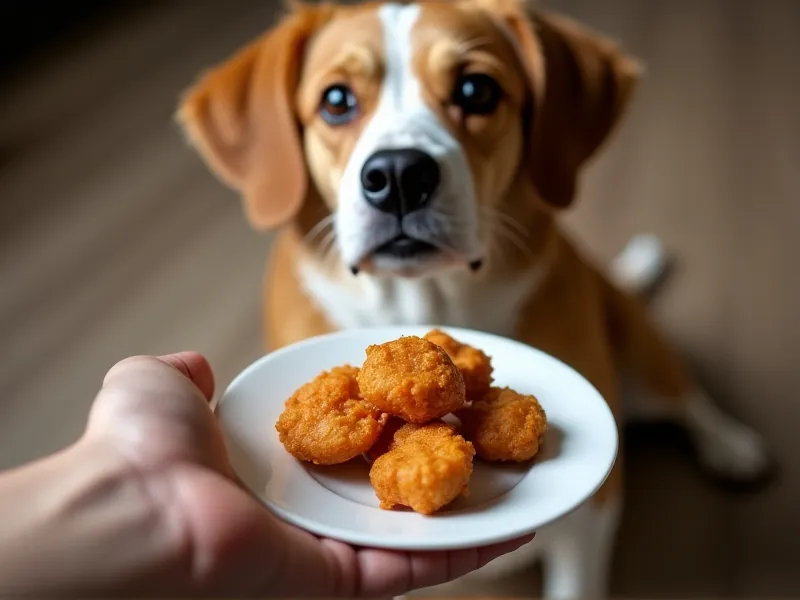
Table of Contents
- Can Dogs Eat Fried Chicken Livers? The Short Answer
- Potential Benefits of Chicken Livers for Dogs (Spoiler: It’s Not About the Fried Part)
- The Hidden Risks of Fried Chicken Livers for Dogs
- How Much Fried Chicken Liver Can Dogs Safely Eat? (Hint: Probably Less Than You Think)
- Healthier Alternatives to Fried Chicken Livers Your Dog Will Beg For
- FAQ: Your Burning Questions Answered
- Conclusion: Prioritize Your Pup’s Health (With a Side of Moderation)
Can Dogs Eat Fried Chicken Livers? The Short Answer
No, dogs should not eat fried chicken livers. While plain, cooked chicken liver can be a nutrient-dense treat in moderation, frying transforms it into a risky snack. The breading, oil, salt, and seasonings (like garlic or onion) add unnecessary calories, fat, and potential toxins, while stripping away most of the liver’s natural benefits.
In short: Save the fried version for yourself, and if you want to share liver with your pup, opt for the plain, unseasoned kind.
Potential Benefits of Chicken Livers for Dogs (Spoiler: It’s Not About the Fried Part)
Before we talk about the risks of frying, let’s give chicken liver some love—the plain, cooked kind. Liver is often called a “superfood” for dogs, and for good reason. When prepared simply (boiled, baked, or steamed, with no added ingredients), it’s packed with nutrients that support your dog’s health:
🌟 Key Nutrients in Plain Chicken Liver:
- Protein: Essential for muscle growth, repair, and energy.
- Iron: Helps prevent anemia by supporting red blood cell production.
- Vitamin A: Boosts eye health, immune function, and skin/coat vitality (but too much can be toxic—more on that later).
- B Vitamins (B12, folate): Support brain function, energy metabolism, and a healthy nervous system.
- Zinc & Copper: Aids in immune support, wound healing, and thyroid function.
- Potassium: Regulates heart rate and muscle function.
Veterinary nutritionists often recommend liver as an occasional supplement to a balanced diet, especially for dogs with nutrient deficiencies. For example, senior dogs or those with anemia may benefit from small amounts of liver to boost iron levels.
But here’s the catch: These benefits only apply to plain, cooked liver. Frying cancels them out—and adds new risks.
The Hidden Risks of Fried Chicken Livers for Dogs
Fried chicken livers are a far cry from their plain, nutrient-dense counterparts. Let’s break down why they’re a bad idea:
1. High Fat Content = Pancreatitis Risk
Fried foods are loaded with fat, and dogs’ digestive systems aren’t built to handle large amounts of grease. A single fried liver can contain up to 10x more fat than a plain, boiled one. Excess fat triggers the pancreas to release enzymes, which can lead to pancreatitis—a painful, potentially life-threatening inflammation of the pancreas.
Symptoms of pancreatitis include vomiting, diarrhea, lethargy, and loss of appetite. In severe cases, it can require hospitalization.
2. Salt Overload = Sodium Toxicity
Most fried chicken recipes (and their breading) are high in salt. Dogs need only a tiny amount of sodium daily: about 100mg per 10 pounds of body weight. A single fried liver can contain 200–300mg of sodium—way over the limit for small dogs.
Too much salt causes sodium ion poisoning, leading to symptoms like excessive thirst, urination, vomiting, diarrhea, tremors, or even seizures.
3. Breading = Empty Calories & Allergies
The crispy coating on fried livers is usually made from flour, breadcrumbs, or batter—all of which are high in carbs and low in nutrients. For dogs, this is “empty calories” that can lead to weight gain or obesity over time.
Worse, some breadings contain wheat, gluten, or additives that trigger allergies in sensitive dogs (think itchy skin, ear infections, or digestive upset).
4. Oil & Grease = Stomach Upset
The oil used for frying (like vegetable oil, canola oil, or lard) is hard for dogs to digest. Even a small piece of fried liver can cause gastrointestinal distress: diarrhea, vomiting, bloating, or gas. For puppies, senior dogs, or those with sensitive stomachs, this can escalate quickly.
5. Toxic Seasonings (Garlic, Onion, etc.)
Many fried chicken recipes include seasonings like garlic, onion, paprika, or chili powder. Garlic and onion are highly toxic to dogs—even in small amounts. They damage red blood cells, leading to anemia, weakness, and organ failure.
Other seasonings, like salt (as mentioned) or excessive pepper, can also irritate your dog’s digestive tract.
6. Choking Hazard
The crispy, crumbly breading on fried livers can break off into small, hard pieces, posing a choking risk—especially for small dogs or those who gulp their food.
How Much Fried Chicken Liver Can Dogs Eat? (Hint: Probably Less Than You Think)
The short answer: None. Even a “small bite” isn’t worth the risk. But let’s be realistic: Accidents happen. If your dog snags a tiny piece of fried liver off the floor, here’s what to do:
- Monitor them closely for 24–48 hours. Watch for vomiting, diarrhea, lethargy, or loss of appetite.
- Skip their next meal to give their stomach a break (but always provide fresh water).
- Contact your vet if symptoms worsen or if they ate a large amount (e.g., half a liver or more).
For intentional feeding? Don’t do it. Fried chicken livers offer no nutritional benefit and plenty of risk.
Healthier Alternatives to Fried Chicken Livers
If your dog begs for a taste of your meal, skip the fried stuff and opt for these safer, nutrient-rich alternatives:
1. Plain, Cooked Chicken Liver
The gold standard! Boil, bake, or steam a small piece (no oil, salt, or seasonings). Serve it chopped or mashed as an occasional treat.
How much? For a 50-pound dog, 1–2 teaspoons 2–3 times per week is plenty. Too much can cause vitamin A toxicity (symptoms: loss of appetite, weight loss, joint pain).
2. Other Organ Meats
Beef liver, turkey liver, or beef heart are also great options. Like chicken liver, they’re packed with nutrients—just cook them plain and serve in moderation.
3. Lean Proteins
Cooked chicken breast, turkey, or lean beef (no seasoning) are low in fat and high in protein. Perfect for a quick, safe snack.
4. Veggies & Fruits
Carrots, green beans, blueberries, or apple slices (no seeds!) are low-calorie, high-fiber treats that most dogs love.
5. Commercial Dog Treats
Look for high-quality treats with simple ingredients (e.g., “chicken liver” as the first ingredient, no added sugars or preservatives). Brands like Zuke’s or Wellness Core make liver-based treats that are vet-approved.
FAQ: Your Burning Questions Answered
Q: Can dogs eat plain, raw chicken livers?
A: No—raw liver (or any raw meat) can contain bacteria like Salmonella or E. coli, which can make your dog sick. Always cook liver thoroughly.
Q: Is chicken liver better than beef liver for dogs?
A: Both are great! Chicken liver is slightly lower in fat, while beef liver has more iron. Rotate them for variety.
Q: My dog ate fried chicken livers with garlic. What should I do?
A: Garlic is toxic to dogs—call your vet immediately. Symptoms of garlic poisoning (anemia) can take 2–5 days to appear, so don’t wait for signs.
Q: Can puppies eat plain chicken livers?
A: Yes, in tiny amounts (e.g., ¼ teaspoon for a 10-pound puppy). Puppies have sensitive tummies, so introduce new foods slowly.
Conclusion: Prioritize Your Pup’s Health (With a Side of Moderation)
Fried chicken livers might smell amazing, but they’re a no-go for your dog. The risks—from pancreatitis to sodium toxicity—far outweigh any fleeting pleasure. Instead, opt for plain, cooked liver or other nutrient-dense treats to keep your pup happy and healthy.
Remember: When in doubt, consult your vet. They can help you create a balanced diet and treat plan tailored to your dog’s age, size, and health needs.
Your dog’s wagging tail and shiny coat will thank you for choosing the good stuff. 🐾
References
- American Society for the Prevention of Cruelty to Animals (ASPCA). “People Foods to Avoid Feeding Your Pets.” aspca.org/pet-care/animal-poison-control/people-foods-avoid-feeding-your-pets
- American Kennel Club (AKC). “Can Dogs Eat Liver?” akc.org/expert-advice/nutrition/can-dogs-eat-liver
- PetMD. “Pancreatitis in Dogs.” petmd.com/dog/conditions/digestive/c_dg_pancreatitis
- World Small Animal Veterinary Association (WSAVA). “Global Nutrition Guidelines.” wsava.org/global-nutrition-guidelines