· 9 min read
Can Dogs Eat Fried Chicken? What Pet Parents Need to Know
It’s a lazy Saturday evening, and the smell of crispy fried chicken fills your kitchen. You’re settling in with a bucket, ready to dig in, when you feel a soft paw on your leg. Looking down, you meet your dog’s eyes—wide, hopeful, and very focused on the food in your hand. “Just one tiny bite won’t hurt, right?” you think. After all, chicken is a staple in many dog foods, so how bad could a fried piece be?
If you’ve ever asked yourself this question, you’re not alone. Fried chicken is a beloved comfort food, and sharing snacks with our pups feels like a way to show love. But before you toss them a nugget, let’s dive into the facts: Can dogs eat fried chicken? Spoiler: The answer isn’t as simple as “yes” or “no.” Let’s break down the risks, the (limited) potential upsides, and what you should feed instead.
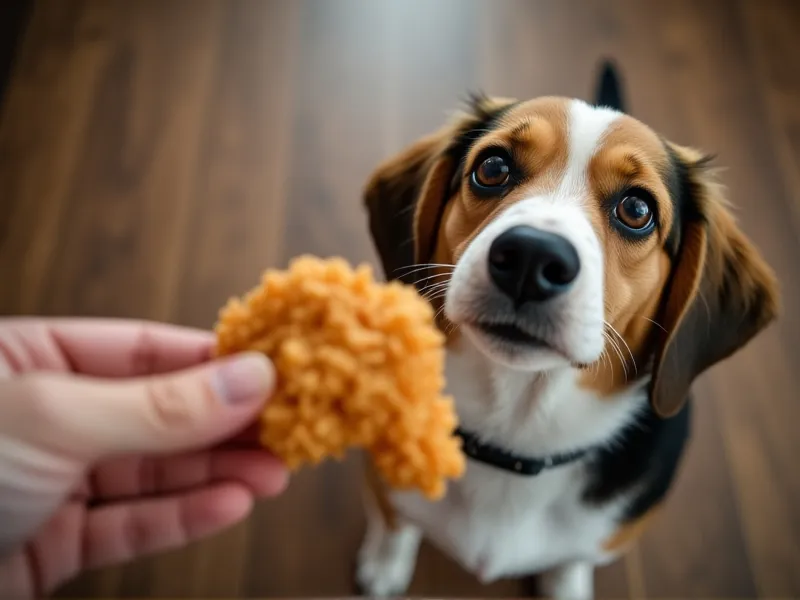
Table of Contents
- Can Dogs Eat Fried Chicken? The Short Answer
- What’s Actually in Fried Chicken?
- Potential “Benefits”: Separating Fact from Fiction
- The Risks of Feeding Fried Chicken to Dogs
- How Much Fried Chicken Is “Safe” for Dogs?
- Healthier Alternatives to Fried Chicken
- FAQ: Your Fried Chicken Questions, Answered
- Conclusion: Love Them Enough to Say “No”
Can Dogs Eat Fried Chicken? The Short Answer
No, dogs should not eat fried chicken. While plain, unseasoned chicken is a healthy protein source for dogs, frying transforms it into a risky snack. The breading, oil, salt, and seasonings in fried chicken can lead to serious health issues, from upset tummies to life-threatening conditions like pancreatitis. Even small amounts can cause problems, especially for small dogs, puppies, or dogs with preexisting health issues (like obesity or diabetes).
What’s Actually in Fried Chicken?
To understand why fried chicken is risky, let’s break down its components. A typical piece of fried chicken includes:
- Chicken meat: Lean, protein-rich, and generally safe for dogs—if it’s plain and unprocessed.
- Breading: Flour, breadcrumbs, or batter, often mixed with salt, sugar, spices, or additives (like MSG).
- Oil: Usually vegetable oil, canola oil, or lard, used for frying at high temperatures.
- Seasonings: Salt, pepper, garlic powder, onion powder, paprika, or even chili flakes—common in both homemade and restaurant versions.
Individually, some of these ingredients are harmless (hello, plain chicken!), but together, they create a perfect storm of risks for your pup.
Potential “Benefits”: Separating Fact from Fiction
You might think, “Chicken is good for dogs, so fried chicken must have some benefits, right?” Let’s set the record straight:
The “Good” in Chicken (Plain, Unfried)
Plain, boneless, skinless chicken is a nutritional powerhouse for dogs. It’s packed with:
- Protein: Essential for muscle growth, repair, and energy.
- Vitamins: B vitamins (like B6 and niacin) for brain health and metabolism.
- Minerals: Selenium (supports immunity) and phosphorus (strong bones).
In fact, many high-quality dog foods use chicken as the main protein source. So, chicken itself isn’t the problem—it’s the way it’s prepared in fried chicken that ruins the party.
The “Bad” in Fried Chicken (Why the Benefits Disappear)
When you fry chicken, here’s what happens:
- Nutrient loss: High heat destroys some of the vitamins in the chicken meat.
- Added fat: Frying soaks the chicken in oil, turning a lean protein into a high-fat food.
- Empty calories: Breading adds refined carbs (flour, sugar) with no nutritional value for dogs.
- Toxic additives: Seasonings like garlic or onion (common in fried chicken recipes) are poisonous to dogs.
In short: Fried chicken cancels out the benefits of plain chicken and adds a laundry list of risks.
The Risks of Feeding Fried Chicken to Dogs
Now, let’s get into the nitty-gritty: Why is fried chicken so dangerous for dogs? Here are the biggest risks, backed by veterinary science.
High Fat: A Recipe for Pancreatitis
Fried chicken is loaded with fat—from the oil used to fry it to the skin (which is 90% fat!). Dogs’ bodies aren’t designed to process large amounts of fat, and this can trigger pancreatitis—a painful, potentially fatal inflammation of the pancreas.
The pancreas produces enzymes to help digest food. When a dog eats high-fat foods, the pancreas goes into overdrive, releasing enzymes that attack its own tissue. Symptoms of pancreatitis include:
- Vomiting (often yellow or foamy)
- Diarrhea (sometimes bloody)
- Lethargy or weakness
- Abdominal pain (your dog may hunch over or avoid being touched)
- Loss of appetite
Pancreatitis requires immediate veterinary care. Even mild cases can lead to chronic issues, and severe cases can be fatal. According to the American Kennel Club (AKC), high-fat diets are one of the top causes of pancreatitis in dogs.
Salt Toxicity: More Than Just Thirst
Fried chicken is incredibly salty. A single piece of fried chicken can contain 300–500 mg of sodium—more than half the daily recommended amount for a 30-pound dog (the AKC suggests dogs need just 100–200 mg of sodium per day, depending on size).
Too much salt causes sodium ion poisoning, which disrupts the balance of fluids in your dog’s body. Early symptoms include:
- Excessive thirst and urination
- Vomiting or diarrhea
- Restlessness or tremors
- Seizures (in severe cases)
If left untreated, salt toxicity can lead to kidney damage, brain swelling, or even death. Small dogs are especially vulnerable: A 10-pound Chihuahua, for example, could get sick from just one salty chicken nugget.
Toxic Seasonings: Onion, Garlic, and Beyond
Many fried chicken recipes (homemade or restaurant-style) include onion or garlic powder—two ingredients that are toxic to dogs. These plants contain thiosulphate, which damages red blood cells and causes hemolytic anemia (a condition where the body can’t carry oxygen properly).
Symptoms of onion/garlic toxicity include:
- Lethargy or weakness
- Pale gums
- Rapid breathing
- Dark, discolored urine
- Loss of appetite
Toxicity can take days to show up, so even a small amount can be dangerous. The ASPCA Animal Poison Control Center explicitly lists onions, garlic, and chives as toxic to dogs.
Choking Hazards: Bones and Breading
Fried chicken bones (even tiny ones) are a major choking risk. Cooked bones are brittle and can splinter, getting stuck in your dog’s throat, esophagus, or intestines. This can cause:
- Choking (gagging, pawing at the mouth)
- Internal punctures or blockages (which may require surgery)
- Infection (if a bone fragment lodges in tissue)
Breading is also a hazard: It can get stuck in your dog’s throat, especially if they gulp it down. Even “bone-in” fried chicken (like drumsticks) is risky—your dog might chew off a chunk of bone without you noticing.
Stomach Upset: Grease, Sugar, and Digestive Chaos
Even if your dog avoids the worst-case scenarios (pancreatitis, toxicity), fried chicken can still wreak havoc on their digestion. The grease, sugar, and refined carbs in breading can cause:
- Diarrhea (often greasy or watery)
- Vomiting
- Gas or bloating
- Stomach cramps
Dogs have sensitive digestive systems, and sudden changes to their diet (like a greasy snack) can throw things off balance for days.
How Much Fried Chicken Is “Safe” for Dogs?
The short answer: None. There’s no “safe” amount of fried chicken to feed your dog, because even a small piece can trigger health issues. A single nugget might not seem like much, but for a tiny dog (e.g., a Yorkie), it could lead to pancreatitis or salt toxicity. For larger dogs, repeated “small” bites can contribute to obesity, diabetes, or chronic digestive issues.
If your dog accidentally steals a piece of fried chicken (we’ve all been there—those counter-surfing pros!), don’t panic. Monitor them closely for 24–48 hours for symptoms like vomiting, diarrhea, or lethargy. If you notice any red flags, contact your vet immediately.
Healthier Alternatives to Fried Chicken
Want to treat your dog to something tasty and safe? Skip the fried stuff and opt for these vet-approved alternatives:
1. Plain, Cooked Chicken
Boil, grill, or bake boneless, skinless chicken (no salt, oil, or seasonings). Chop it into small pieces and mix it into their regular food, or serve as a standalone treat. It’s packed with protein and easy to digest!
2. Sweet Potatoes
Baked or boiled sweet potatoes are a great source of fiber, vitamins (A, C), and antioxidants. They’re naturally sweet, so dogs love them, and they’re low in fat.
3. Green Beans
Steamed or raw green beans are crunchy, low-calorie, and full of fiber. They’re perfect for dogs watching their weight!
4. Pumpkin
Plain, canned pumpkin (not pie filling!) is great for digestion. It’s high in fiber and can soothe upset tummies.
5. Carrots
Raw or steamed carrots are a crunchy, vitamin-rich snack. They even help clean your dog’s teeth!
FAQ: Your Fried Chicken Questions, Answered
Q: Can dogs eat fried chicken skin?
A: No! Chicken skin is extremely high in fat, which is a leading cause of pancreatitis. It also often has salt or seasonings, adding to the risk.
Q: My dog ate a piece of fried chicken—what should I do?
A: Stay calm. Monitor them for 24–48 hours for vomiting, diarrhea, lethargy, or loss of appetite. If symptoms appear, call your vet. If they ate a large amount (e.g., an entire drumstick) or have preexisting health issues, contact your vet right away.
Q: Is KFC (or other fast-food fried chicken) safer than homemade?
A: No. Fast-food fried chicken is often higher in salt, fat, and additives (like MSG) than homemade versions. Some chains also use seasonings with garlic or onion, which are toxic.
Q: Can dogs eat fried chicken without bones?
A: Even boneless fried chicken is risky. The breading, oil, and seasonings are still harmful—bones are just an added hazard.
Q: What if my dog loves fried chicken? How do I say “no” without feeling guilty?
A: It’s hard to resist those puppy eyes, but remember: Saying “no” is an act of love. Offer them a safe treat instead (like plain chicken or sweet potato) to redirect their attention.
Conclusion: Love Them Enough to Say “No”
Fried chicken might be a delicious treat for us, but for our dogs, it’s a recipe for trouble. From pancreatitis to salt toxicity, the risks far outweigh any temporary joy of sharing a bite. Instead of reaching for the fried stuff, opt for safe, nutrient-dense treats like plain chicken or sweet potatoes—your dog’s body (and taste buds!) will thank you.
If your dog ever eats fried chicken (accidentally or otherwise), don’t hesitate to contact your vet. When it comes to our pups, it’s always better to be safe than sorry.
Here’s to keeping our furry friends happy, healthy, and (mostly) out of the fried chicken bucket!
References
- American Kennel Club (AKC). “Pancreatitis in Dogs.” akc.org
- ASPCA Animal Poison Control Center. “People Foods to Avoid Feeding Your Pet.” aspca.org
- VCA Hospitals. “Sodium Ion Toxicity in Dogs.” vcahospitals.com
- PetMD. “Can Dogs Eat Chicken? Benefits and Risks.” petmd.com