· 7 min read
Can Dogs Eat Fried Catfish? What Pet Parents Need to Know
It’s Friday night, and you’re savoring a plate of golden, crispy fried catfish. Across the table, your dog sits, tail thumping, eyes locked on your fork. “Just one bite won’t hurt, right?” you wonder. Before you toss them a piece, let’s get the facts straight: Can dogs eat fried catfish? Spoiler: The answer isn’t as simple as “yes” or “no.” Let’s break down what’s safe, what’s risky, and how to keep your pup happy and healthy.
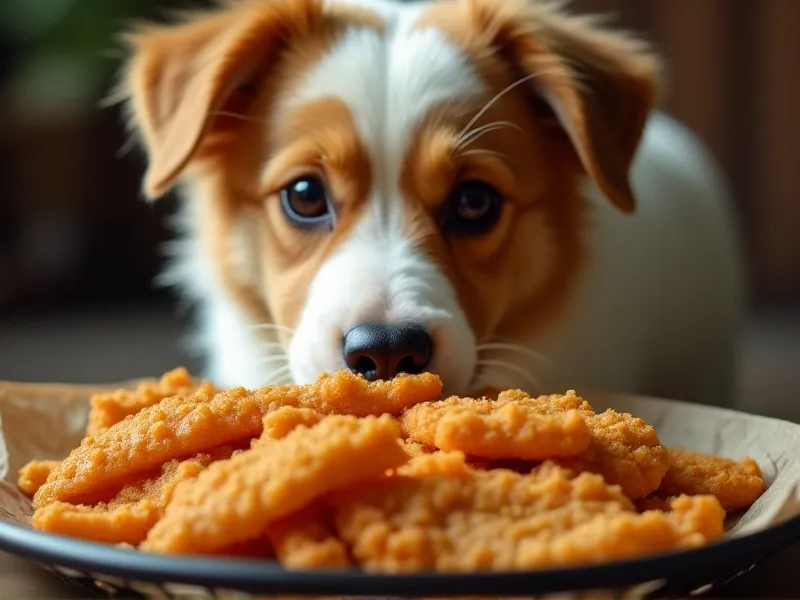
Table of Contents
- Introduction: The Temptation of Fried Catfish
- Can Dogs Eat Fried Catfish? The Short Answer
- The Benefits of Catfish for Dogs (If Prepared Safely)
- The Risks of Fried Catfish for Dogs
- How Much (If Any) Fried Catfish Can Dogs Eat?
- Healthier Alternatives to Fried Catfish
- FAQ: Your Questions Answered
- Conclusion: Prioritizing Your Pup’s Health
We’ve all been there: sharing a meal with our dogs feels like a love language. Whether it’s a scrap of steak or a chip, those puppy eyes are hard to resist. Fried catfish, with its crispy coating and savory flavor, is no exception. But as pet parents, we have a responsibility to make sure what we feed our dogs is safe. In this post, we’ll explore the ins and outs of fried catfish for dogs—from the nutrients in catfish to the hidden dangers of frying, plus safer alternatives your pup will love.
Can Dogs Eat Fried Catfish? The Short Answer
No, dogs should not eat fried catfish.
Let’s clarify: Plain, properly cooked catfish (without seasoning, breading, or oil) can be a healthy occasional treat for dogs. It’s rich in protein, omega-3 fatty acids, and essential vitamins. However, the “fried” part is where the problem lies. Frying adds unhealthy fats, sodium, and potentially toxic ingredients that make fried catfish unsafe for your furry friend.
The Benefits of Catfish for Dogs (If Prepared Safely)
Before we dive into the risks of frying, let’s highlight why plain catfish can be a nutritious addition to your dog’s diet (in moderation). When cooked simply—boiled, baked, or grilled, with no added salt, spices, or oil—catfish offers several benefits:
1. High-Quality Protein
Protein is the building block of your dog’s muscles, skin, and coat. Catfish is a lean source of complete protein, meaning it contains all the essential amino acids your dog needs. For active dogs or those recovering from illness, this can support muscle repair and energy levels.
2. Omega-3 Fatty Acids
Catfish contains omega-3s (like EPA and DHA), which are famous for supporting heart health, reducing inflammation, and promoting a shiny coat. These fatty acids may also help dogs with joint issues or skin allergies by calming irritation.
3. Essential Vitamins and Minerals
Catfish is packed with nutrients like:
- B vitamins (B12, niacin): Support brain function and energy metabolism.
- Potassium: Regulates blood pressure and muscle function.
- Selenium: An antioxidant that boosts immune health.
4. Low in Mercury
Unlike larger fish (e.g., tuna or swordfish), catfish is low in mercury, making it a safer choice for dogs (and humans!) when consumed in moderation.
The Risks of Fried Catfish for Dogs
Now, let’s talk about why frying turns this nutritious fish into a risky snack. Fried catfish is loaded with ingredients that can harm your dog, even in small amounts:
1. High Fat Content = Pancreatitis Risk
Frying catfish drowns it in oil or grease, skyrocketing its fat content. Dogs’ bodies aren’t designed to process large amounts of fat—this can trigger pancreatitis, a painful and potentially life-threatening condition where the pancreas becomes inflamed. Symptoms include vomiting, diarrhea, lethargy, and loss of appetite. Even a single bite of fried catfish could be enough to cause an episode, especially in small dogs or those prone to pancreatitis (e.g., Miniature Schnauzers).
2. Sodium Overload
Breading or batter often contains salt, and some recipes add extra seasoning (like garlic powder or onion salt). Dogs only need a tiny amount of sodium daily—too much can lead to salt toxicity, which causes vomiting, diarrhea, seizures, or even kidney damage. For example, a medium-sized dog (30 lbs) should consume no more than 100 mg of sodium per day; a single piece of fried catfish could exceed that.
3. Toxic Spices and Additives
Many fried catfish recipes include spices like garlic, onion, or chili powder. Onions and garlic are toxic to dogs (they damage red blood cells, leading to anemia), even in small quantities. Other additives, like sugar or artificial flavorings, can upset your dog’s stomach or contribute to obesity.
4. Choking or Intestinal Blockage
The crispy breading on fried catfish is hard and dry, which can pose a choking hazard, especially for small dogs. If swallowed whole, it may also cause an intestinal blockage—requiring emergency surgery to remove.
5. Stomach Upset
Even if your dog avoids pancreatitis or choking, the oil, grease, and breading in fried catfish can irritate their digestive system. This often leads to vomiting, diarrhea, or gas—no fun for you or your pup!
How Much (If Any) Fried Catfish Can Dogs Eat?
The safest answer: None. Even a small bite of fried catfish puts your dog at risk of pancreatitis, stomach upset, or worse.
If you must share catfish with your dog (and we don’t recommend it unless it’s plain), stick to these rules:
- Only plain, cooked catfish: No breading, oil, salt, or spices.
- Small portions: A general guideline is 1–2 bites per 10 lbs of body weight, no more than once a week. For example:
- Chihuahua (5 lbs): 1 tiny bite (about the size of a pea).
- Labrador (60 lbs): 1–2 tablespoons (chopped into small pieces).
- No bones: Catfish bones are small and sharp—they can splinter and get stuck in your dog’s throat or intestines. Always debone the fish thoroughly before serving.
Healthier Alternatives to Fried Catfish
Instead of fried catfish, treat your dog to these safe, delicious options that offer the same nutrients without the risks:
1. Baked or Grilled Catfish
Skip the oil and breading! Bake or grill plain catfish (no seasoning) until flaky, then chop it into bite-sized pieces. Your dog will get all the protein and omega-3s without the fat.
2. Other Cooked Fish
- Salmon: Rich in omega-3s (cooked, no bones or skin).
- Sardines: Canned in water (no salt) are packed with calcium and omega-3s.
- Tilapia: Lean protein, low in mercury (cooked, plain).
3. Lean Meats
- Chicken or turkey: Boiled or baked, no seasoning. A classic, protein-packed treat.
- Beef: Lean cuts (like sirloin) cooked plain, chopped into small pieces.
4. Commercial Dog Treats
Look for high-quality dog treats made with fish (e.g., “salmon jerky” or “fish-flavored biscuits”)—these are formulated to be safe and nutritious for dogs.
FAQ: Your Questions Answered
Q: My dog stole a bite of fried catfish—should I panic?
A: Stay calm, but monitor them closely. If they ate a small amount (e.g., a crumb), they may only have mild stomach upset. If they ate a large piece, watch for vomiting, diarrhea, or lethargy. Contact your vet immediately if symptoms appear, especially if your dog is small, elderly, or has health issues.
Q: Can dogs eat catfish bones?
A: No! Catfish bones are small and sharp, and they can splinter, causing choking or internal injuries. Always remove all bones before feeding catfish to your dog.
Q: Is catfish safer than salmon for dogs?
A: Both are safe when cooked plain, deboned, and served in moderation. Salmon has higher omega-3 levels, but catfish is lower in mercury. Avoid raw fish (risk of parasites) and always cook thoroughly.
Q: Can puppies eat fried catfish?
A: No. Puppies have sensitive digestive systems and are more prone to pancreatitis or stomach upset. Stick to puppy-safe treats (like plain cooked chicken) until they’re older.
Conclusion: Prioritizing Your Pup’s Health
While your dog’s puppy eyes might beg for a bite of fried catfish, it’s not worth the risk. The oil, fat, salt, and spices in fried catfish can lead to serious health issues, from pancreatitis to salt toxicity. Instead, opt for plain, cooked catfish or other safe treats—your pup will love you just as much (and their belly will thank you).
When in doubt, always consult your vet before introducing new foods to your dog’s diet. They can help you determine portion sizes and ensure the treat fits your dog’s unique health needs. After all, a happy dog is a healthy dog—and that’s the best reward of all.
Sources:
- American Society for the Prevention of Cruelty to Animals (ASPCA). Toxic and Non-Toxic Plants and Foods. aspca.org/pet-care/animal-poison-control
- American Kennel Club (AKC). Can Dogs Eat Fish? Benefits and Risks. akc.org/expert-advice/nutrition/can-dogs-eat-fish
- VCA Hospitals. Pancreatitis in Dogs. vcahospitals.com/know-your-pet/pancreatitis-in-dogs
- World Small Animal Veterinary Association (WSAVA). Global Nutrition Guidelines. wsava.org/guidelines/global-nutrition-guidelines