· 10 min read
Can Dogs Eat Fried Calamari? The Surprising Truth Every Pet Parent Should Know
It’s a Friday evening, and you’re savoring a plate of golden, crispy fried calamari—tender squid rings dusted with breadcrumbs, fried to perfection, and served with a zesty marinara dip. Across the table, your dog, Bella, sits bolt upright, tail wagging furiously. Her nose twitches as she catches the scent, and she tilts her head, those puppy-dog eyes begging for a bite. You pause, fork mid-air. Is this safe? Can dogs eat fried calamari, or is this seafood snack better left off their menu?
If you’ve ever found yourself in this scenario, you’re not alone. Many pet parents wonder about sharing human foods with their pups, especially when those foods smell (and taste!) so delicious. But when it comes to fried calamari, the answer isn’t as straightforward as “yes” or “no.” To keep Bella—and all dogs—healthy, we need to dig into the details: What’s in fried calamari? Are there any benefits? And most importantly, what risks does it pose?
In this guide, we’ll break down everything you need to know about fried calamari and your dog, from the potential pros (yes, there are some!) to the very real cons. Plus, we’ll share safer alternatives and answer your most pressing questions. Let’s dive in!
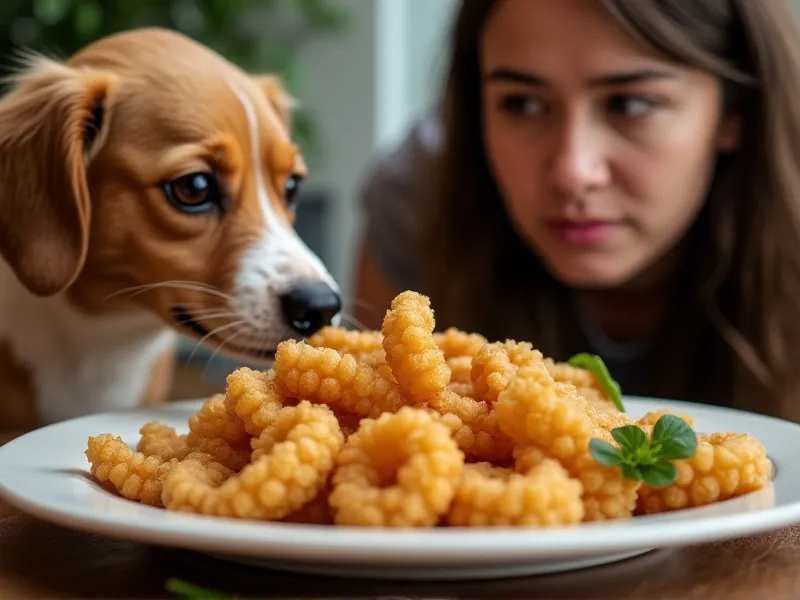
Table of Contents
- Can Dogs Eat Fried Calamari? The Short Answer
- The Basics: What Is Calamari, Anyway?
- Potential Benefits of Squid (Calamari) for Dogs
- The Risks of Fried Calamari for Dogs: Why It’s Best Avoided
- If Plain, Cooked Squid Is Okay—How Much Can Dogs Eat?
- Healthier Alternatives to Fried Calamari for Dogs
- FAQ: Your Top Questions Answered
- Conclusion: Prioritize Your Pup’s Health
- References
Can Dogs Eat Fried Calamari? The Short Answer
Let’s cut to the chase: Fried calamari is not a safe treat for dogs. While plain, unseasoned, cooked squid (the “calamari” part) can be okay in tiny, occasional amounts, the fried version introduces a host of risks that far outweigh any potential benefits. The breading, oil, salt, and seasonings turn this seafood snack into a hazard for your pup’s digestive system, heart, and overall health.
But why is fried calamari so risky? And is there any scenario where sharing a bite is okay? Let’s start by understanding what calamari is, then break down the good, the bad, and the ugly.
The Basics: What Is Calamari, Anyway?
Calamari is simply the Italian word for “squid,” a type of cephalopod (think octopus or cuttlefish) with a soft body and tentacles. When people talk about “calamari” as food, they’re usually referring to squid that’s been cleaned, sliced into rings or strips, and cooked—often fried.
Squid itself is a low-fat, protein-rich seafood. It’s a common ingredient in human diets worldwide, prized for its mild flavor and chewy texture. But when we fry it, we add layers of breading (flour, breadcrumbs, sometimes spices), submerge it in oil, and often season it with salt, garlic, or lemon. These additions are where the problems start for dogs.
Potential Benefits of Squid (Calamari) for Dogs
Before we dive into the risks of fried calamari, let’s acknowledge the elephant in the room: Is squid itself (plain, cooked) ever good for dogs? The answer is… maybe, in small doses. Here’s why:
1. High-Quality Protein
Squid is packed with protein, which is essential for dogs. Protein supports muscle growth and repair, immune function, and healthy skin and coat. A 3-ounce serving of cooked squid contains about 15 grams of protein—comparable to chicken or fish.
2. Essential Vitamins and Minerals
Squid is a good source of:
- Vitamin B12: Critical for nerve function and red blood cell production. A deficiency can lead to fatigue or neurological issues in dogs.
- Selenium: An antioxidant that helps protect cells from damage and supports thyroid health.
- Potassium: Important for heart health, muscle function, and regulating blood pressure.
- Copper and Zinc: Minerals that aid in collagen production (for joints and skin) and immune support.
3. Low in Fat and Calories (When Not Fried!)
Plain, cooked squid is low in fat (about 1 gram per 3 ounces) and calories (around 70 calories per serving). This makes it a potentially lean protein option—if it’s prepared without added fats or seasonings.
But here’s the catch: These benefits only apply to plain, unseasoned, cooked squid. Once you fry it, all those positives get overshadowed by the risks.
The Risks of Fried Calamari for Dogs: Why It’s Best Avoided
Fried calamari might taste great to us, but for dogs, it’s a recipe for trouble. Let’s break down the biggest risks:
1. High Fat Content = Pancreatitis Risk
Fried foods are loaded with fat—and dogs are highly sensitive to dietary fat. When a dog eats a high-fat meal, their pancreas (an organ that produces digestive enzymes) can become inflamed, leading to pancreatitis. Symptoms include vomiting, diarrhea, abdominal pain, lethargy, and loss of appetite. Severe pancreatitis can be life-threatening and requires immediate veterinary care.
According to the American Kennel Club (AKC), fatty foods like fried chicken, fries, or fried calamari are among the top causes of pancreatitis in dogs. Even a small amount of fried calamari can trigger an attack, especially in breeds prone to the condition (like Miniature Schnauzers or Cocker Spaniels).
2. Excess Salt = Dehydration and Kidney Strain
Fried calamari is often heavily salted to enhance flavor. Dogs need only tiny amounts of sodium in their diet—too much can lead to salt toxicity. Symptoms include excessive thirst, urination, vomiting, diarrhea, tremors, or even seizures. Over time, high-salt diets can also strain the kidneys, increasing the risk of kidney disease.
The ASPCA notes that dogs should consume no more than 100 mg of sodium per kilogram of body weight per day. A single fried calamari ring can contain 100–200 mg of sodium—way more than your pup needs in one sitting.
3. Breading and Seasonings = Digestive Upset (or Worse)
The breading on fried calamari is usually made with flour, breadcrumbs, or batter. For dogs, this can be hard to digest, leading to stomach upset, gas, or diarrhea. Even worse, some breadings include toxic ingredients like garlic, onion, or chives. These alliums are poisonous to dogs, causing damage to red blood cells and potentially leading to anemia.
Lemon wedges (a common side for calamari) are also risky. While small amounts of lemon aren’t deadly, the citrus can irritate a dog’s stomach, causing vomiting or diarrhea.
4. Choking Hazard
Calamari rings are round and chewy, which makes them a choking risk—especially for small dogs or dogs who gulp their food. The breading can also get stuck in their throat or cause an intestinal blockage if swallowed whole.
5. Empty Calories = Weight Gain
Fried calamari is high in calories (thanks to the oil and breading) but low in nutritional value. Feeding it to your dog regularly can lead to weight gain or obesity, which increases the risk of diabetes, joint pain, and heart disease.
If Plain, Cooked Squid Is Okay—How Much Can Dogs Eat?
Let’s say you’re at a seafood restaurant, and they have a grilled squid appetizer (no breading, no oil, no salt). Is it ever okay to share a tiny bite with your dog?
Maybe—but proceed with extreme caution. Here’s the rule of thumb:
- Plain, cooked squid only: No breading, oil, salt, garlic, or seasonings. Grill, boil, or steam it—never fry.
- Tiny portions: For a medium-sized dog (30–50 pounds), a piece the size of your thumbnail is more than enough. Small dogs (under 20 pounds) should get even less—think a pinky-nail-sized piece.
- Occasional treats only: Squid should never replace your dog’s regular, balanced diet. Think of it as a “once in a blue moon” snack, not a weekly treat.
- Avoid if your dog has health issues: If your dog has pancreatitis, kidney disease, or a sensitive stomach, skip the squid altogether.
When in doubt, ask your vet first. They know your dog’s unique health needs and can advise if squid is safe for them.
Healthier Alternatives to Fried Calamari for Dogs
If you want to share a seafood-inspired treat with your pup (or just a healthy snack), there are plenty of safer options than fried calamari. Here are our top picks:
1. Cooked, Unseasoned Salmon
Salmon is rich in omega-3 fatty acids, which support skin, coat, and joint health. Just make sure it’s fully cooked (raw salmon can contain parasites) and free of salt, butter, or seasonings.
2. Boiled Shrimp (No Shells!)
Shrimp is low in fat, high in protein, and a good source of selenium. Remove the shells (they’re a choking hazard) and boil without salt. A few small pieces make a great occasional treat.
3. Baked Cod or Tilapia
White fish like cod or tilapia is mild, lean, and easy to digest. Bake it plain (no oil) and flake it into small pieces for a protein boost.
4. Lean Cooked Chicken or Turkey
You can’t go wrong with plain, boiled chicken or turkey. It’s a staple in many dog foods for a reason—high protein, low fat, and gentle on tummies.
5. Pumpkin (Canned, Unsweetened)
For a non-seafood option, try pumpkin. It’s high in fiber (great for digestion) and vitamins A and C. Mix a spoonful into your dog’s food or freeze small cubes as a cool treat.
FAQ: Your Top Questions Answered
Q: My dog stole a fried calamari ring off the table! Should I panic?
A: Probably not—one small ring is unlikely to cause severe harm, but monitor your dog closely for 24 hours. Watch for vomiting, diarrhea, lethargy, or loss of appetite. If any of these symptoms appear, call your vet. For large dogs, one ring might be fine; for small dogs, even a bite could cause stomach upset.
Q: Can puppies eat fried calamari?
A: No. Puppies have developing digestive systems that are even more sensitive to fat, salt, and seasonings than adult dogs. Fried calamari could cause severe stomach upset or pancreatitis in puppies. Stick to puppy-safe treats like plain, cooked chicken or carrots.
Q: Is raw squid safe for dogs?
A: No. Raw squid (or any raw seafood) can contain bacteria (like E. coli or Salmonella) or parasites (like anisakis), which can make your dog sick. Always cook squid thoroughly before considering it as a treat.
Q: My dog loves seafood! What’s the safest way to share?
A: Stick to cooked, unseasoned options like salmon, shrimp, or cod. Avoid any fried, breaded, or seasoned seafood. And remember: treats should make up no more than 10% of your dog’s daily calories.
Conclusion: Prioritize Your Pup’s Health
Sharing food with your dog is a natural way to bond, but when it comes to fried calamari, it’s best to resist those puppy eyes. The risks—pancreatitis, salt toxicity, choking, and stomach upset—are simply too great. While plain, cooked squid might be okay in tiny, occasional amounts, it’s not worth the gamble for most dogs.
Instead, opt for safer treats like cooked salmon, boiled shrimp, or lean chicken. These options give your pup the protein and nutrients they need without the added risks. And when in doubt, always check with your vet before introducing new foods into your dog’s diet.
After all, your dog’s health and happiness are worth more than a single bite of fried calamari. Here’s to many more snack-time moments—just make sure they’re safe ones!
References
- American Kennel Club (AKC). “Can Dogs Eat Squid?” akc.org
- ASPCA. “People Foods to Avoid Feeding Your Pets.” aspca.org
- PetMD. “Pancreatitis in Dogs: Symptoms, Causes, and Treatment.” petmd.com
- VCA Hospitals. “Nutrition: Feeding Your Dog.” vcahospitals.com