· 9 min read
Can Dogs Eat Fresh Tuna? A Pet Parent’s Guide to Safety, Benefits, and Risks
It’s a quiet evening, and you’ve just grilled a fresh tuna steak for dinner. The aroma fills the kitchen, and your dog—let’s call her Luna—trots over, nose twitching, tail wagging furiously. She sits at your feet, gaze locked on your plate, as if to say, “Please? Just a tiny bite?” You hesitate. Tuna is a staple in many human diets, packed with protein and healthy fats, but is it safe for dogs? As a pet parent, you want to share the best with your furry friend, but you also need to know: Can dogs eat fresh tuna?
In this guide, we’ll break down everything you need to know—from the nutritional benefits of fresh tuna to the potential risks, how much is safe to feed, and even healthier fish alternatives. Let’s dive in!
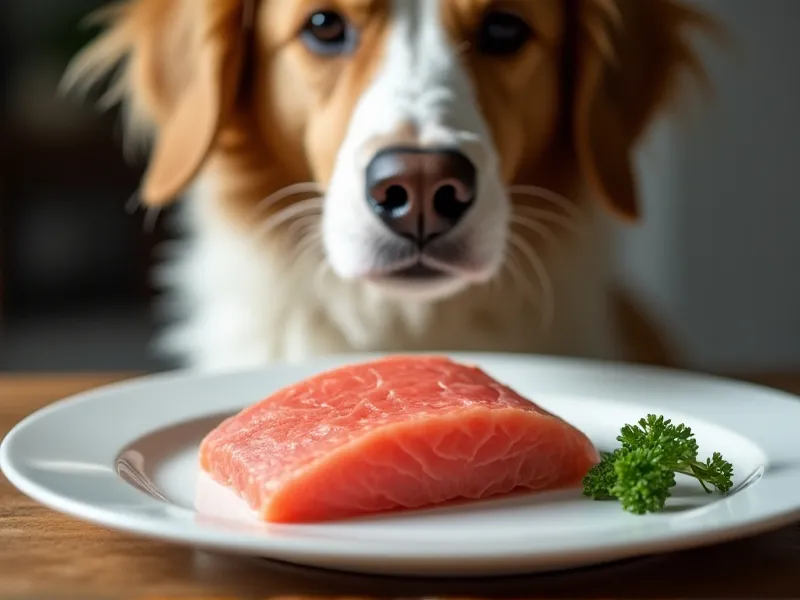
Table of Contents
- Can Dogs Eat Fresh Tuna? The Short Answer
- Nutritional Benefits of Fresh Tuna for Dogs
- Potential Risks of Feeding Fresh Tuna to Dogs
- Safe Serving Guidelines: How Much Tuna Can Dogs Eat?
- Healthier Fish Alternatives to Tuna for Dogs
- FAQ: Common Questions About Dogs and Tuna
- Conclusion: Moderation is Key
Can Dogs Eat Fresh Tuna? The Short Answer
Yes, fresh tuna can be safe for dogs—but only in strict moderation.
Tuna is not toxic to dogs, and in small amounts, it can even offer some health benefits. However, there are important risks to consider, like mercury exposure, bones, and potential digestive issues. Think of fresh tuna as an occasional “treat,” not a regular part of your dog’s diet. Always consult your vet before adding new foods to your dog’s meals, especially if they have health conditions like kidney disease or food allergies.
Nutritional Benefits of Fresh Tuna for Dogs
Fresh tuna is nutrient-dense, and when fed properly, it can provide several key nutrients that support your dog’s health. Let’s break down the top benefits:
1. High-Quality Protein
Tuna is an excellent source of lean, high-quality protein, which is essential for dogs. Protein supports muscle growth and repair, boosts energy levels, and helps maintain a healthy immune system. For active dogs or those recovering from illness, protein-rich foods like tuna can be a valuable addition to their diet (in moderation, of course!).
2. Omega-3 Fatty Acids
Tuna contains omega-3 fatty acids (EPA and DHA), which are famous for their anti-inflammatory properties. These healthy fats can:
- Improve skin and coat health, reducing dryness, itching, and flakiness.
- Support joint health, easing stiffness in dogs with arthritis or hip dysplasia.
- Boost brain function, especially in puppies and senior dogs.
- Reduce inflammation linked to allergies or chronic diseases.
3. Essential Vitamins and Minerals
Fresh tuna is packed with vitamins and minerals that dogs need, including:
- Vitamin D: Supports bone health by aiding calcium absorption. Many dogs are deficient in vitamin D, especially those who spend little time outdoors.
- Vitamin B12: Important for nerve function and red blood cell production.
- Selenium: An antioxidant that protects cells from damage and supports thyroid health.
- Potassium: Helps regulate heart rate, muscle function, and fluid balance.
4. Low in Saturated Fat
Unlike some meats (like bacon or fatty beef), tuna is low in saturated fat, making it a good choice for dogs watching their weight. Just be sure to serve it plain—no added oils, butter, or seasonings!
Potential Risks of Feeding Fresh Tuna to Dogs
While fresh tuna has benefits, it’s not without risks. Here’s what to watch out for:
1. Mercury Poisoning
The biggest risk of feeding tuna to dogs is mercury exposure.
Tuna, especially larger species (like albacore or bigeye tuna), accumulates mercury over time. Mercury is a heavy metal that, in high doses, can damage a dog’s nervous system, kidneys, and liver. Symptoms of mercury toxicity include:
- Loss of coordination
- Weakness or lethargy
- Tremors or seizures
- Vomiting or diarrhea
- Loss of appetite
Smaller tuna species (like skipjack) have lower mercury levels, but even these should be fed sparingly. Puppies, senior dogs, and dogs with kidney disease are more vulnerable to mercury’s effects, so they should avoid tuna altogether.
2. Bones
Fresh tuna may contain small, sharp bones that can pose a choking hazard or cause intestinal blockages. Even if you think you’ve removed all bones, tiny fragments can get stuck in your dog’s throat, stomach, or intestines. To avoid this, always serve tuna cooked and boneless.
3. Histamine Poisoning (Scombroid Fish Poisoning)
Tuna is a “scombroid” fish, which means it can spoil quickly if not stored properly. When tuna is not kept cold (below 40°F), bacteria produce histamine, a chemical that causes scombroid poisoning. Symptoms in dogs include:
- Vomiting
- Diarrhea
- Rapid heartbeat
- Swelling of the face or throat
- Hives
To prevent this, only feed your dog fresh, properly refrigerated tuna that hasn’t been left out at room temperature for more than 2 hours.
4. Overfeeding and Nutritional Imbalances
Tuna should never replace your dog’s balanced commercial diet. Dog food is formulated to meet all their nutritional needs, and too much tuna can throw off this balance. For example:
- Excess protein can strain the kidneys in dogs with kidney disease.
- Too many omega-3s can cause diarrhea or interfere with blood clotting.
- Tuna lacks fiber and some vitamins (like vitamin C) that dogs need, so relying on it could lead to deficiencies.
5. Added Seasonings or Ingredients
Never feed your dog tuna that’s seasoned with salt, garlic, onions, or spices. Garlic and onions are toxic to dogs (they damage red blood cells), while salt can cause sodium ion poisoning, leading to vomiting, diarrhea, seizures, or even death. Stick to plain, unseasoned tuna—no mayo, lemon, or sauces!
Safe Serving Guidelines: How Much Tuna Can Dogs Eat?
If you want to share fresh tuna with your dog, follow these rules to keep them safe:
1. Choose the Right Tuna
Opt for smaller tuna species (like skipjack) over larger ones (albacore, bigeye), as they have lower mercury levels. Fresh tuna is better than canned (we’ll cover canned tuna in the FAQ!), but if using canned, pick water-packed (not oil-packed) and unsalted.
2. Cook It Thoroughly
Always cook fresh tuna before feeding it to your dog. Raw tuna may contain harmful bacteria (like Salmonella or E. coli) or parasites, which can cause vomiting, diarrhea, or more serious infections. Cooking also helps soften any tiny bones, reducing choking risks.
3. Remove All Bones
Even cooked tuna can have small bones. Take the time to inspect the fish carefully and remove any bones before serving.
4. Stick to Small Portions
A general rule of thumb: Tuna should make up no more than 10% of your dog’s daily calories. For reference:
- Small dogs (under 20 lbs): 1–2 ounces of cooked, boneless tuna per week.
- Medium dogs (20–50 lbs): 2–4 ounces per week.
- Large dogs (50+ lbs): 4–6 ounces per week.
Example: A 30-lb dog eats about 700 calories per day. 10% of that is 70 calories—roughly 2 ounces of cooked tuna (since tuna has ~35 calories per ounce).
5. Feed It as a Treat, Not a Meal
Tuna should never replace your dog’s regular food. Serve it as an occasional snack, mixed into their kibble, or as a reward during training.
Healthier Fish Alternatives to Tuna for Dogs
If you’re concerned about mercury or want to mix up your dog’s treats, there are safer fish options with similar (or better!) nutritional benefits:
1. Salmon
Salmon is rich in omega-3s, low in mercury, and easy to find. It’s also a great source of protein and vitamin D. Just make sure it’s cooked (raw salmon can carry a parasite that causes “salmon poisoning disease” in dogs).
2. Sardines
Sardines are tiny, low in mercury, and packed with nutrients—they even include calcium (if you feed the bones, which are soft and safe when cooked). Look for canned sardines in water (no salt or oil) for a budget-friendly treat.
3. Mackerel
Mackerel is another low-mercury fish high in omega-3s and vitamin B12. Avoid king mackerel (higher mercury) and opt for Atlantic or Pacific mackerel instead.
4. Herring
Herring is small, sustainable, and loaded with omega-3s, vitamin D, and selenium. It’s often available pickled, but stick to plain, cooked herring for dogs.
5. Trout
Trout is low in mercury and high in protein and omega-3s. It’s a freshwater fish, so it’s a good option if you prefer to avoid saltwater species.
FAQ: Common Questions About Dogs and Tuna
Q: Can dogs eat canned tuna?
A: Canned tuna is safe in very small amounts, but it’s riskier than fresh tuna. Most canned tuna is albacore (higher mercury) and may contain added salt or oil. If you feed canned tuna, choose water-packed, unsalted varieties, and limit it to once a month (even less for small dogs).
Q: Is raw tuna safe for dogs?
A: No. Raw tuna can contain bacteria (like Listeria) or parasites (like Anisakis), which can make dogs sick. Cooking tuna kills these pathogens, so always serve it well-done.
Q: My dog ate a lot of tuna—should I worry?
A: If your dog ate a large amount of tuna (more than their weekly serving), monitor them for symptoms like vomiting, diarrhea, or lethargy. Contact your vet if they show signs of mercury poisoning (tremors, weakness) or scombroid poisoning (swelling, rapid heartbeat).
Q: Can puppies eat tuna?
A: Puppies have developing nervous systems and kidneys, making them more sensitive to mercury. It’s best to avoid tuna for puppies unless your vet gives the green light.
Q: Can dogs with kidney disease eat tuna?
A: No. Tuna is high in protein and phosphorus, which can strain the kidneys of dogs with kidney disease. Your vet can recommend low-protein, low-phosphorus treats instead.
Q: Is tuna oil safe for dogs?
A: Tuna oil (supplements) can be safe, but they’re not necessary if your dog eats a balanced diet. Too much omega-3 oil can cause diarrhea. Always ask your vet before giving supplements.
Conclusion: Moderation is Key
Fresh tuna can be a tasty, nutrient-rich treat for dogs, but it’s not without risks. The key is moderation: small portions, occasional serving, and choosing low-mercury tuna species. Always cook it thoroughly, remove bones, and avoid added seasonings.
If you’re unsure whether tuna is right for your dog—especially if they have health issues—reach out to your vet. They can help you decide based on your dog’s age, weight, and medical history.
At the end of the day, the best thing you can do for your furry friend is to stick to a balanced, vet-approved diet. But every now and then, sharing a tiny bite of fresh, cooked tuna? That’s a moment of joy both you and your dog can savor.
References
- American Society for the Prevention of Cruelty to Animals (ASPCA). “People Foods to Avoid Feeding Your Pets.” aspca.org
- American Kennel Club (AKC). “Can Dogs Eat Tuna?” akc.org
- PetMD. “Mercury Poisoning in Dogs.” petmd.com
- World Small Animal Veterinary Association (WSAVA). “Global Nutrition Guidelines.” wsava.org