· 7 min read
Can Dogs Eat Fresh Tomatoes? A Pet Parent’s Guide to Risks, Benefits, and Safe Feeding
It’s a sunny Saturday afternoon, and you’re prepping a salad. As you slice into a ripe, juicy tomato—its bright red flesh glistening—your dog trots over, tail thumping against the cabinet. Their big, hopeful eyes lock onto the tomato, and suddenly you’re hit with the universal pet parent dilemma: Is this safe to share?
Tomatoes are a staple in human diets, packed with vitamins and that satisfying crunch. But when it comes to our furry friends, the rules often change. Can dogs eat fresh tomatoes? Are they a healthy treat or a hidden hazard? Let’s dive into the facts to keep your pup happy and healthy.
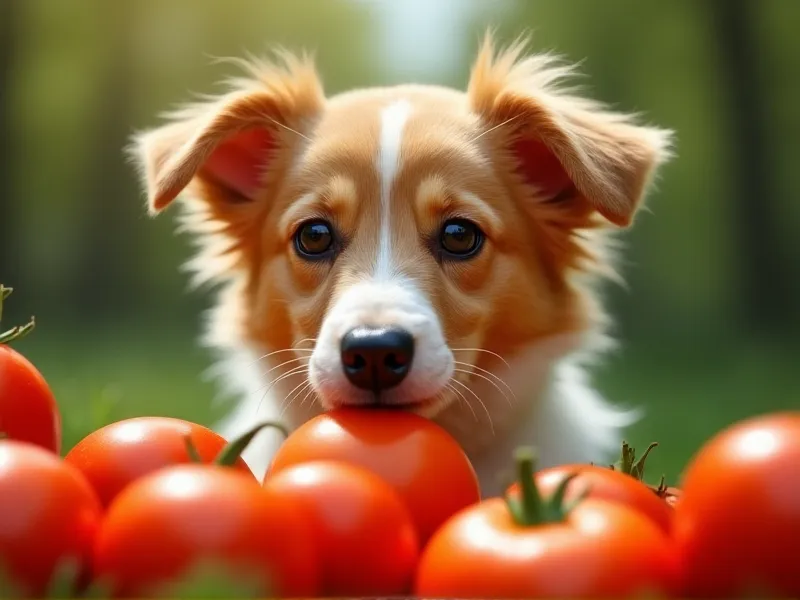
Table of Contents
- So, Can Dogs Eat Fresh Tomatoes? The Short Answer
- The Benefits of Fresh Tomatoes for Dogs
- The Risks: What Pet Parents Need to Watch For
- How Much Tomato Can Dogs Safely Eat? Guidelines to Follow
- Healthier Alternatives to Tomatoes for Dogs
- FAQ: Your Tomato Questions Answered
- Conclusion: Moderation is Key
So, Can Dogs Eat Fresh Tomatoes? The Short Answer
Yes, dogs can eat fresh, ripe tomatoes—but with important caveats. Ripe tomatoes (the red, juicy ones we love) are generally safe for dogs in small, occasional amounts. However, unripe tomatoes (green, yellow, or orange ones that aren’t fully mature) and parts of the tomato plant—like stems, leaves, and vines—contain a toxic substance called solanine. Solanine is part of the nightshade family (which includes potatoes and eggplants) and can cause serious health issues in dogs if ingested in large quantities.
So, the golden rule: Stick to ripe, red tomatoes, remove all stems and leaves, and serve only as an occasional treat, not a regular meal.
The Benefits of Fresh Tomatoes for Dogs
While tomatoes shouldn’t replace your dog’s balanced, species-appropriate dog food, fresh, ripe tomatoes do offer some nutritional perks when fed in moderation. Here’s how they can benefit your pup:
1. Vitamins for Overall Health
Tomatoes are rich in essential vitamins:
- Vitamin A: Supports eye health, immune function, and healthy skin/coat.
- Vitamin C: An antioxidant that boosts the immune system and aids in collagen production (important for joints and tissue repair).
- Vitamin K: Helps with blood clotting and bone health.
2. Fiber for Digestive Health
Tomatoes contain dietary fiber, which can help regulate your dog’s digestive system. A little fiber goes a long way in preventing constipation and keeping their gut microbiome happy—just don’t overdo it, as too much fiber can cause diarrhea.
3. Potassium for Heart and Electrolyte Balance
Potassium is a key mineral that supports heart function, muscle contraction, and electrolyte balance (critical for hydration and energy). For active dogs, a small tomato treat can help replenish potassium lost during play or exercise.
4. Lycopene: A Powerful Antioxidant
Lycopene is the pigment that gives tomatoes their red color—and it’s a potent antioxidant. While lycopene is more concentrated in cooked tomatoes (think tomato sauce), fresh tomatoes still contain small amounts. Antioxidants help fight free radicals in the body, which can reduce inflammation and support long-term health.
The Risks: What Pet Parents Need to Watch For
While ripe tomatoes are safe for most dogs, they aren’t without risks. Here’s what to keep in mind before sharing that tomato slice:
1. Solanine Toxicity (Unripe Tomatoes and Plant Parts)
The biggest risk comes from unripe tomatoes (green, yellow, or underripe) and tomato plant debris (stems, leaves, vines). These contain solanine, a glycoalkaloid toxin that can cause gastrointestinal upset, weakness, and even neurological issues in dogs.
Symptoms of solanine toxicity include:
- Lethargy or weakness
- Vomiting or diarrhea
- Loss of appetite
- Tremors or seizures (in severe cases)
- Dilated pupils
If you suspect your dog has eaten unripe tomatoes or plant parts, contact your vet immediately.
2. Natural Sugars: Weight Gain and Diabetes Risk
Tomatoes contain natural sugars (fructose), which add calories. While small amounts are fine, overfeeding tomatoes can lead to weight gain, especially in less active dogs. For dogs with diabetes or insulin resistance, excess sugar can spike blood glucose levels—so tomatoes should be avoided or strictly limited.
3. Stomach Upset in Sensitive Dogs
Some dogs have sensitive stomachs, and tomatoes (even ripe ones) may cause digestive issues like diarrhea, vomiting, or gas. This is more common if your dog eats a large amount or isn’t used to new foods. Start with tiny portions to test tolerance.
4. Choking Hazard (Cherry Tomatoes and Large Pieces)
Cherry tomatoes or whole tomato slices can pose a choking risk, especially for small dogs or those who gulp food without chewing. Always cut tomatoes into bite-sized pieces to prevent choking or intestinal blockages.
How Much Tomato Can Dogs Safely Eat? Guidelines to Follow
When it comes to feeding tomatoes to your dog, moderation is key. Treats should make up no more than 10% of your dog’s daily calorie intake, and tomatoes are no exception. Here’s a general guide based on your dog’s size:
- Small dogs (under 20 lbs): 1–2 small slices (about 1–2 tablespoons)
- Medium dogs (20–50 lbs): 2–3 slices (about 2–3 tablespoons)
- Large dogs (50+ lbs): 3–4 slices (about 3–4 tablespoons)
Pro tips for safe feeding:
- Always choose ripe, red tomatoes: Avoid green, yellow, or bruised ones.
- Wash thoroughly: Remove pesticides or dirt by rinsing under cold water.
- Remove stems and leaves: These contain solanine—discard them entirely.
- Cut into small pieces: Slice into bite-sized chunks to prevent choking, especially for cherry tomatoes.
- Introduce slowly: Start with a tiny piece and monitor for 24 hours. If your dog has diarrhea, vomiting, or gas, skip future tomato treats.
Healthier Alternatives to Tomatoes for Dogs
If you’re looking for low-sugar, nutrient-dense treats that pose fewer risks than tomatoes, consider these alternatives:
1. Carrots
Crunchy, low in calories, and packed with vitamin A and fiber, carrots are a favorite among dogs. They’re great for dental health (chewing helps scrape plaque!) and safe for most pups.
2. Blueberries
These tiny berries are loaded with antioxidants (like anthocyanins) and vitamin C, plus they’re low in sugar. They make a perfect frozen treat for summer!
3. Cucumber
Hydrating, low-calorie, and crunchy, cucumber is ideal for dogs watching their weight. It’s 96% water, so it’s a great way to keep your pup cool on hot days.
4. Green Beans
Steamed or raw (cut into small pieces), green beans are high in fiber and vitamins K and C. They’re a filling, low-sugar alternative to tomatoes.
5. Apples
Remove the seeds (they contain small amounts of cyanide) and core, then slice into chunks. Apples are a good source of fiber and vitamin C, and most dogs love their sweet crunch.
FAQ: Your Tomato Questions Answered
Q: Can dogs eat cherry tomatoes?
A: Yes, but cut them into halves or quarters first to avoid choking. Cherry tomatoes are small and round, making them a high choking risk for small dogs.
Q: What if my dog ate a green tomato?
A: Green tomatoes contain solanine, so monitor your dog closely. If they ate a small piece, they may only have mild stomach upset (vomiting/diarrhea). If they ate a large amount (or plant parts), contact your vet immediately—symptoms like lethargy, tremors, or seizures require urgent care.
Q: Are cooked tomatoes safer than fresh?
A: Cooked tomatoes (like in plain tomato sauce, no salt/onion/garlic) have more lycopene (since cooking breaks down cell walls, making it easier to absorb). However, avoid canned or jarred sauces, which often contain added salt, garlic, or onions—all toxic to dogs. Fresh is safer than processed!
Q: Can puppies eat tomatoes?
A: Puppies can try small amounts of ripe tomato, but their tummies are more sensitive. Start with a tiny piece (1–2 teaspoons) and watch for digestive upset. Always consult your vet before introducing new foods to puppies.
Q: My dog has diabetes—can they eat tomatoes?
A: Tomatoes have natural sugars, so it’s best to avoid them or ask your vet. Even small amounts could spike blood sugar levels in diabetic dogs.
Conclusion: Moderation is Key
So, can dogs eat fresh tomatoes? Yes—as long as they’re ripe, properly prepared, and served in small, occasional amounts. Ripe tomatoes offer vitamins, fiber, and antioxidants, but unripe ones and plant parts pose real risks due to solanine.
As a pet parent, the best approach is to treat tomatoes as a fun, occasional snack—not a staple. Always prioritize your dog’s balanced diet, and when in doubt, consult your vet (especially if your dog has health issues like diabetes, kidney disease, or a sensitive stomach).
After all, the goal is to keep your pup happy, healthy, and tail-wagging—whether that means sharing a tiny tomato slice or sticking to safer treats like carrots or blueberries.
Wishing you and your furry friend many safe, delicious snack times ahead!
References
- American Society for the Prevention of Cruelty to Animals (ASPCA). Toxic and Non-Toxic Plants: Tomato. aspca.org/pet-care/animal-poison-control/toxic-and-non-toxic-plants/tomato
- American Kennel Club (AKC). Can Dogs Eat Tomatoes? akc.org/expert-advice/nutrition/can-dogs-eat-tomatoes/
- PetMD. Can Dogs Eat Tomatoes? Benefits and Risks. petmd.com/dog/nutrition/can-dogs-eat-tomatoes
- Veterinary Centers of America (VCA). Solanine Toxicity in Dogs. vcahospitals.com/know-your-pet/solanine-toxicity-in-dogs