· 8 min read
Can Dogs Eat Fresh Salmon? Benefits, Risks, and Safe Feeding Guidelines
Picture this: You’re searing a fillet of fresh salmon in the pan, its buttery aroma filling the kitchen. Beside you, your dog sits patiently, tail thumping, nose twitching—clearly hoping for a taste. Salmon is a nutritional powerhouse for humans, packed with omega-3s, protein, and vitamins. But as a pet parent, you pause: Is this delicious fish safe for your furry friend? Can dogs eat fresh salmon, or is it off-limits?
If you’ve ever wondered whether to share your salmon dinner with your pup, you’re not alone. Salmon is often hailed as a “superfood,” but when it comes to dogs, there’s more to the story than just nutrition. In this guide, we’ll break down the benefits, risks, and best practices for feeding fresh salmon to dogs, so you can make informed choices that keep your pet happy and healthy.
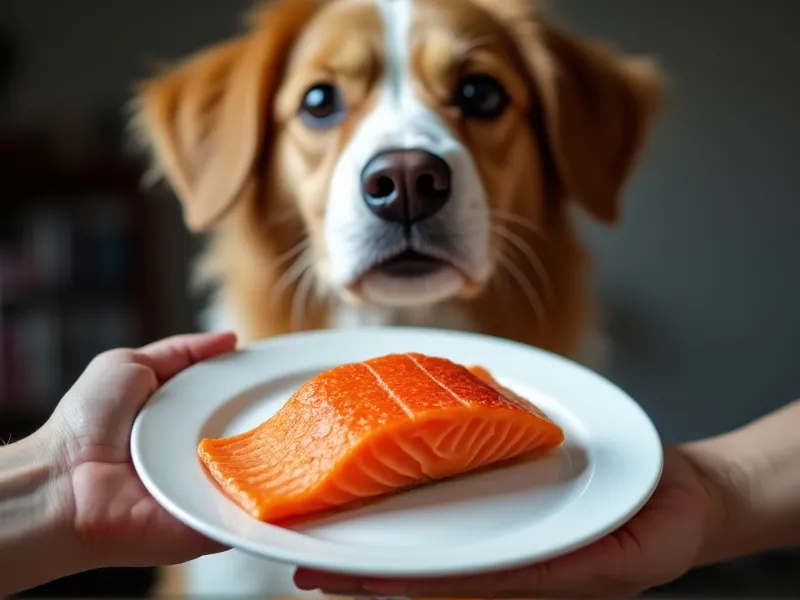
Table of Contents
- Can Dogs Eat Fresh Salmon? The Short Answer
- Health Benefits of Fresh Salmon for Dogs
- Potential Risks of Feeding Salmon to Dogs
- How Much Fresh Salmon Can Dogs Eat? Guidelines
- Healthier Alternatives to Fresh Salmon
- FAQ: Common Questions About Dogs and Salmon
- Conclusion
Can Dogs Eat Fresh Salmon? The Short Answer
Yes, dogs can eat fresh, properly cooked salmon—in moderation. When prepared correctly (cooked thoroughly, boneless, and unseasoned), salmon can be a nutritious treat for most dogs. It’s rich in omega-3 fatty acids, high-quality protein, and essential vitamins. However, raw salmon, salmon with bones, or salmon prepared with garlic, onions, or salt can pose serious risks. The key is preparation and moderation.
Health Benefits of Fresh Salmon for Dogs
Salmon isn’t just tasty—it’s packed with nutrients that can support your dog’s health. Here’s why this fish might be a great addition to their occasional treat rotation:
1. Omega-3 Fatty Acids: For Skin, Coat, and Joints
Salmon is one of the best sources of omega-3 fatty acids (EPA and DHA), which are critical for dogs. These healthy fats:
- Boost skin and coat health: Dry, itchy skin? Omega-3s reduce inflammation, leading to a shinier, softer coat and fewer allergies.
- Support joint health: They help ease stiffness and pain in dogs with arthritis or hip dysplasia by reducing joint inflammation.
- Aid brain and eye development: Puppies benefit from DHA, which supports cognitive function and vision.
2. High-Quality Protein: For Muscles and Energy
Dogs need protein to build and repair muscles, organs, and tissues. Salmon is a complete protein, meaning it contains all the essential amino acids your dog’s body can’t produce on its own. Unlike some processed proteins, salmon is easily digestible, making it a good option for dogs with sensitive stomachs (when cooked, of course!).
3. Essential Vitamins and Minerals
Salmon is a nutrient-dense food, offering:
- Vitamin D: Supports bone health by aiding calcium absorption (many dogs are deficient in vitamin D, especially indoor pups).
- Vitamin B12: Crucial for nerve function and red blood cell production.
- Selenium: An antioxidant that protects cells from damage and supports thyroid health.
- Potassium: Helps regulate heart function and muscle contractions.
4. Low in Saturated Fat
Compared to red meat or fatty poultry, salmon is relatively low in saturated fat, making it a heart-healthy treat when fed in moderation. It won’t spike your dog’s cholesterol levels like some high-fat snacks.
Potential Risks of Feeding Salmon to Dogs
While salmon has benefits, it’s not without risks—especially if prepared incorrectly. Here’s what to watch out for:
1. Raw Salmon: A Hidden Parasite Danger
Raw or undercooked salmon is never safe for dogs. Why? It may contain a tiny parasite called Nanophyetus salmincola, which carries a bacteria called Neorickettsia helminthoeca. When a dog eats infected raw salmon, this bacteria causes salmon poisoning disease (SPD), a potentially fatal condition if left untreated.
Symptoms of SPD include:
- Fever, lethargy, and loss of appetite
- Vomiting, diarrhea (sometimes bloody), and weight loss
- Swollen lymph nodes
SPD can progress rapidly—if your dog eats raw salmon, contact your vet immediately. Fortunately, it’s treatable with antibiotics if caught early. Cooking salmon to an internal temperature of 145°F (63°C) kills the parasite, making it safe.
2. Salmon Bones: A Choking or Internal Hazard
Salmon bones are small, thin, and sharp—even cooked ones. They can:
- Choke your dog if swallowed whole.
- Puncture the throat, stomach, or intestines, leading to infections or blockages (which may require surgery).
Always remove all bones from salmon before feeding it to your dog. Even “boneless” fillets can have tiny bone fragments, so inspect carefully!
3. Mercury and Environmental Contaminants
Most fish contain trace amounts of mercury, but salmon is low in mercury compared to larger fish like tuna or swordfish. However, overfeeding salmon (or any fish) can still lead to mercury buildup over time, which harms the nervous system. Stick to occasional treats, not daily meals.
4. Seasonings and Additives
Many human-prepared salmon dishes include garlic, onions, salt, or butter. These are dangerous for dogs:
- Garlic/onions: Contain compounds that damage red blood cells, causing anemia.
- Salt: Excess salt leads to dehydration, kidney damage, or sodium ion poisoning.
- Butter/oil: High-fat additions can trigger pancreatitis (a painful inflammation of the pancreas) in dogs, especially those prone to digestive issues.
Only feed your dog plain, cooked, unseasoned salmon.
5. Overfeeding: Weight Gain and Pancreatitis
Salmon is calorie-dense (about 200 calories per 4-oz cooked fillet). Feeding too much can lead to obesity, which increases the risk of diabetes, joint pain, and heart disease. Additionally, the fat in salmon—while healthy in small amounts—can overload your dog’s pancreas if overfed, causing pancreatitis (symptoms: vomiting, abdominal pain, lethargy).
How Much Fresh Salmon Can Dogs Eat? Guidelines
The golden rule for treats: They should make up no more than 10% of your dog’s daily calorie intake. The rest should come from a balanced dog food. Here’s a rough guide based on your dog’s weight:
| Dog Size | Weight (lbs) | Safe Amount of Cooked Salmon (per week) |
|---|---|---|
| Small | 10–20 | 1–2 ounces (about 1/4–1/2 fillet) |
| Medium | 30–50 | 3–4 ounces (about 1/2–3/4 fillet) |
| Large | 60–90 | 5–6 ounces (about 1 fillet) |
| Extra-Large | 100+ | 7–8 ounces (about 1–1.5 fillets) |
Pro Tips for Safe Feeding:
- Cook thoroughly: Bake, boil, or steam salmon—no raw, no undercooked.
- Remove bones: Check for even tiny fragments; use tweezers if needed.
- No seasonings: Plain, unflavored salmon only.
- Introduce slowly: Start with a small piece to see if your dog has digestive issues (e.g., diarrhea).
- Avoid if on a special diet: If your dog has kidney disease, pancreatitis, or allergies, ask your vet first.
Healthier Alternatives to Fresh Salmon
If fresh salmon is expensive, hard to source, or your dog isn’t a fan, these alternatives offer similar benefits:
1. Sardines (Canned in Water)
Sardines are a budget-friendly superfood! They’re packed with omega-3s, calcium (from soft, edible bones), and vitamin D. Look for canned sardines in water (no salt added)—they’re easy to store and serve.
2. Mackerel (Cooked, Boneless)
Mackerel is another omega-3-rich fish with less mercury than salmon. Like salmon, it must be cooked and deboned.
3. Herring (Cooked, Boneless)
Herring is high in protein, omega-3s, and selenium. It’s a good option for dogs who prefer stronger flavors.
4. Commercial Dog Food with Salmon
Many high-quality dog foods (e.g., Blue Buffalo, Wellness Core) include salmon as the main protein. These are balanced with other nutrients, so they’re safer than relying on treats alone.
5. Flaxseed or Chia Seeds
For omega-3s without fish, try ground flaxseed or chia seeds (sprinkled on regular food). Note: These provide ALA, which dogs convert to EPA/DHA less efficiently than fish, but they’re still beneficial.
FAQ: Common Questions About Dogs and Salmon
Q: Can dogs eat raw salmon?
A: No. Raw salmon may contain parasites that cause salmon poisoning disease, which is fatal without treatment. Always cook salmon to 145°F (63°C).
Q: Is salmon skin safe for dogs?
A: Yes, if cooked and unseasoned. Salmon skin is rich in omega-3s and fiber, but it’s high in fat. Feed small pieces occasionally, and avoid if your dog has pancreatitis.
Q: Can dogs eat canned salmon?
A: Yes, in moderation. Choose canned salmon in water (no salt added) and check for bones (some canned salmon has soft, edible bones, but larger ones may still pose a risk).
Q: My dog ate raw salmon—what should I do?
A: Contact your vet immediately. Salmon poisoning symptoms (fever, vomiting) may take 6–10 days to appear, but early treatment (antibiotics) is critical.
Q: Can puppies eat salmon?
A: Yes, in small amounts. Cooked, boneless salmon is safe for puppies over 8 weeks old. It provides DHA for brain development, but avoid overfeeding (puppies have sensitive tummies!).
Q: Is smoked salmon safe for dogs?
A: No. Smoked salmon is high in salt and preservatives, which can cause sodium poisoning. Stick to plain, cooked salmon.
Conclusion
Fresh salmon can be a delicious, nutrient-packed treat for your dog—when prepared safely and fed in moderation. Its omega-3s, protein, and vitamins support coat, joint, and overall health, but raw salmon, bones, and seasonings turn this superfood into a hazard.
As with any new food, start small, watch for reactions, and when in doubt, consult your vet. After all, every dog is unique—what works for one may not work for another.
So, the next time you’re cooking salmon, go ahead and share a tiny, cooked, boneless piece with your pup. Just remember: A little goes a long way, and their health (and tail wags!) are worth the extra care.
References
- American Kennel Club (AKC). “Can Dogs Eat Salmon?” akc.org
- ASPCA. “Toxic and Non-Toxic Foods for Dogs.” aspca.org
- Washington State University College of Veterinary Medicine. “Salmon Poisoning Disease in Dogs.” vetmed.wsu.edu
- PetMD. “Salmon for Dogs: Benefits and Risks.” petmd.com