· 9 min read
Can Dogs Eat French Toast? A Pet Parent’s Guide to Sharing Breakfast Safely
It’s a lazy Sunday morning. You’re standing at the stove, flipping golden-brown slices of French toast, the scent of cinnamon and butter filling the air. Just as you plate your stack—drizzled with maple syrup, of course—you feel a soft nudge at your ankle. You look down to find your dog, tail thumping, nose twitching, and those irresistible puppy eyes locked on your breakfast. “Can I share?” they seem to ask.
We’ve all been there. Sharing food with our furry friends feels like a gesture of love, but when it comes to human foods, it’s crucial to ask: Is this safe? Today, we’re diving into the question on every breakfast-loving pet parent’s mind: Can dogs eat French toast?
Spoiler: The answer isn’t a simple “yes” or “no.” While French toast isn’t toxic to dogs, it’s far from a healthy treat, and there are hidden risks to watch for. Let’s break down the facts, so you can make the best choice for your pup.
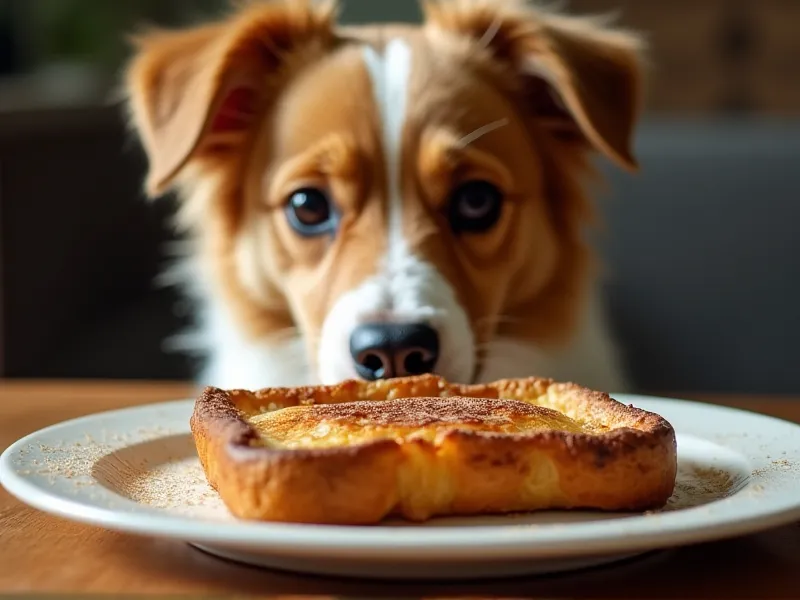
Table of Contents
- Can Dogs Eat French Toast? The Short Answer
- The Ingredients Breakdown: Benefits vs. Risks
- Potential Risks of French Toast for Dogs
- How Much French Toast Can Dogs Safely Eat? Guidelines for Pet Parents
- Healthier Alternatives to French Toast
- FAQ: Your French Toast and Dog Questions Answered
- Conclusion: Love Them Well—Even at Breakfast
- References
Can Dogs Eat French Toast? The Short Answer
Yes, dogs can technically eat small, plain pieces of French toast occasionally, but it’s not a recommended or healthy treat.
French toast is made with bread, eggs, milk, and often butter or toppings like syrup—ingredients that can be problematic for dogs in large amounts. While a tiny bite of plain French toast (no syrup, butter, or spices) is unlikely to harm most dogs, it offers little nutritional value and comes with risks like stomach upset, sugar overload, or even choking.
Think of it like junk food for dogs:偶尔吃一口不会造成伤害,但绝对不是你想定期分享的东西。
The Ingredients Breakdown: Benefits vs. Risks
To understand why French toast is a “proceed with caution” food for dogs, let’s break down its typical ingredients and how they affect our pups:
| Ingredient | Potential Benefits | Potential Risks |
|---|---|---|
| Eggs | High in protein, vitamins (A, D, B12), and iron. Cooked eggs are a safe, nutrient-dense treat for dogs in moderation. | Raw eggs may contain salmonella (but French toast uses cooked eggs, so this risk is low here). |
| Bread | Whole-grain bread offers small amounts of fiber and B vitamins. | Refined white bread is empty calories; large amounts can cause bloating. |
| Milk/Dairy | (Rarely beneficial for dogs) Some calcium, but most dogs are lactose intolerant. | Lactose intolerance leads to diarrhea, gas, or stomach pain. |
| Butter/Oil | (No benefits for dogs) Adds flavor for humans. | High in fat, which can cause pancreatitis (a painful, life-threatening condition) if overfed. |
| Toppings (Syrup, Cinnamon, Sugar) | (No benefits for dogs) Sweetens the dish for humans. | Syrup/sugar: Empty calories, obesity, diabetes risk. Cinnamon: Large doses may irritate the mouth or lower blood sugar. |
As you can see, the “benefits” are minimal (mostly from eggs), while the risks pile up—especially when toppings or rich ingredients are added. French toast is a human comfort food, not a canine superfood!
Potential Risks of French Toast for Dogs
Let’s dig deeper into the biggest risks of sharing French toast with your dog, so you can spot red flags before offering a bite.
Sugar: A Sweet Trap
The biggest danger of French toast (for dogs, at least) is sugar. Most people top their French toast with syrup (maple, pancake, or flavored), powdered sugar, or honey—all of which are loaded with sugar.
Dogs have no biological need for added sugar. Their bodies aren’t designed to process large amounts, which can lead to:
- Obesity: Extra calories from sugar quickly add up, contributing to weight gain and joint pain.
- Dental disease: Sugar feeds harmful bacteria in your dog’s mouth, leading to cavities and gum disease.
- Diabetes: Chronic sugar intake can disrupt insulin regulation, increasing diabetes risk.
Even “natural” sweeteners like maple syrup are risky. A single tablespoon of maple syrup has ~14 grams of sugar—way more than a dog needs in a day (the average dog only requires 2-4 grams of sugar total daily, depending on size).
Stomach Upset from Rich or Dairy Ingredients
French toast is a rich food. Between butter, milk, and sometimes heavy cream, it’s high in fat and dairy—two things that spell trouble for many dogs’ sensitive stomachs.
- Lactose intolerance: 65% of dogs are lactose intolerant (source: Journal of Veterinary Internal Medicine). Their bodies lack the enzyme lactase to break down milk sugar, leading to diarrhea, vomiting, or gas within hours of eating dairy.
- Fat overload: Butter and oil are high in saturated fat. While a tiny bit (like what’s in a bite of French toast) is unlikely to harm, larger portions can trigger pancreatitis. Symptoms include vomiting, lethargy, and loss of appetite—always call your vet if you notice these!
Choking Hazards: Sticky Syrup and Large Pieces
French toast + syrup = sticky, chewy, and potentially dangerous for dogs. Syrup can coat their throat, making it hard to swallow, while large, unchewed pieces of toast can get stuck in their airway.
Small dogs are especially at risk—their tiny throats are easily blocked by sticky or oversized bites. Even large dogs can choke if they gulp down a big piece!
Hidden Dangers: Spices Like Cinnamon
Cinnamon is a common French toast topping, but is it safe for dogs? The answer is… it depends.
- Small amounts (a sprinkle): Generally harmless for most dogs. Cinnamon isn’t toxic, but it may irritate some dogs’ mouths or stomachs.
- Large amounts (a spoonful or more): Can cause cinnamon toxicity, leading to low blood sugar (hypoglycemia), vomiting, or liver damage (source: ASPCA).
Since it’s hard to control how much cinnamon ends up on a slice, it’s best to skip it entirely when sharing with your pup.
How Much French Toast Can Dogs Safely Eat? Guidelines for Pet Parents
If you must share a bite (we get it—those puppy eyes are powerful!), follow these rules to keep your dog safe:
1. Keep it PLAIN
No syrup, butter, cinnamon, sugar, or toppings. Even “healthy” toppings like berries can be risky (grapes/raisins are toxic, and some berries have seeds that cause choking).
2. Size matters
Offer only a tiny piece, based on your dog’s weight:
- Small dogs (e.g., Chihuahua, Yorkie): 1-2 bites (about the size of your thumbnail).
- Medium dogs (e.g., Beagle, Cocker Spaniel): 1 small bite (half a slice, torn into pieces).
- Large dogs (e.g., Lab, German Shepherd): 1-2 small bites (a quarter of a slice, broken into chunks).
3. Occasional, not daily
French toast should be a once-in-a-blue-moon treat—not part of their regular diet. Even plain, it’s high in carbs and low in nutrients compared to their balanced dog food.
4. Watch for reactions
After sharing, monitor your dog for 24 hours. If they vomit, have diarrhea, or seem lethargic, contact your vet immediately.
Healthier Alternatives to French Toast
Instead of sharing your French toast, treat your dog to these safer, nutrient-packed alternatives that satisfy their love for “human food” without the risks:
1. Scrambled Eggs (No Salt!)
Skip the bread and just give them a spoonful of plain, cooked eggs. Eggs are a fantastic source of protein and vitamins—perfect for a quick, healthy treat.
2. Plain Whole-Grain Toast
A small piece of unbuttered, whole-grain toast (no toppings!) is a better option than French toast. It has fiber and B vitamins without the dairy or fat.
3. Sweet Potato Toast
Swap bread for sweet potato! Slice a sweet potato into “toast” rounds, bake until soft, and let cool. Sweet potatoes are rich in fiber, vitamin A, and antioxidants—way healthier than bread.
4. Banana Slices
For a sweet fix, offer a few banana slices. Bananas have natural sugars, potassium, and fiber—plus, most dogs go crazy for their creamy texture.
5. Homemade Dog-Friendly “French Toast”
Want to get creative? Mix mashed banana (instead of milk) with an egg, dip a small piece of whole-grain bread, and pan-fry in a tiny bit of olive oil. No syrup needed—banana adds natural sweetness!
FAQ: Your French Toast and Dog Questions Answered
Q: Can dogs have cinnamon on French toast?
A: It’s best to avoid it. Small amounts of cinnamon are unlikely to harm most dogs, but large doses can irritate their mouth, lower blood sugar, or cause liver issues. Since it’s hard to control portion sizes, skip the cinnamon to be safe.
Q: Is maple syrup safe for dogs?
A: No. Maple syrup is high in sugar and offers no nutritional value for dogs. Even a small amount can contribute to obesity or diabetes over time.
Q: My dog stole a whole slice of French toast! What should I do?
A: Stay calm. Monitor them for symptoms like vomiting, diarrhea, lethargy, or loss of appetite for 24 hours. If any of these occur, call your vet—especially if the toast had butter, syrup, or spices.
Q: Can puppies eat French toast?
A: Puppies have even more sensitive stomachs than adult dogs, so it’s best to avoid French toast entirely. Stick to their puppy food and vet-approved treats to support their growing bodies.
Q: What if my dog is lactose intolerant? Can they still have French toast?
A: No—French toast often contains milk or cream, which will likely cause diarrhea or stomach pain in lactose-intolerant dogs. Even “plain” French toast may have dairy, so it’s not worth the risk.
Conclusion: Love Them Well—Even at Breakfast
Sharing food with our dogs feels like a way to bond, but when it comes to French toast, the risks often outweigh the rewards. While a tiny, plain bite is unlikely to harm, it’s not a treat we recommend making a habit.
Your dog’s health thrives on a balanced diet of high-quality dog food, occasional vet-approved treats, and plenty of love (and belly rubs!). When in doubt about a human food, always check with your vet—they know your dog’s unique needs best.
So next time you’re making French toast, save the stack for yourself and give your pup a scrambled egg or banana slice instead. They’ll wag their tail just as hard—and you’ll both feel good about keeping them safe and healthy.
References
- American Society for the Prevention of Cruelty to Animals (ASPCA). “People Foods to Avoid Feeding Your Pets.” aspca.org/pet-care/animal-poison-control/people-foods-avoid-feeding-your-pets
- American Kennel Club (AKC). “Can Dogs Eat Eggs?” akc.org/expert-advice/nutrition/can-dogs-eat-eggs
- VCA Animal Hospitals. “Pancreatitis in Dogs.” vcahospitals.com/know-your-pet/pancreatitis-in-dogs
- Journal of Veterinary Internal Medicine. “Prevalence of Lactose Intolerance in Adult Dogs.” doi.org/10.1111/jvim.15314